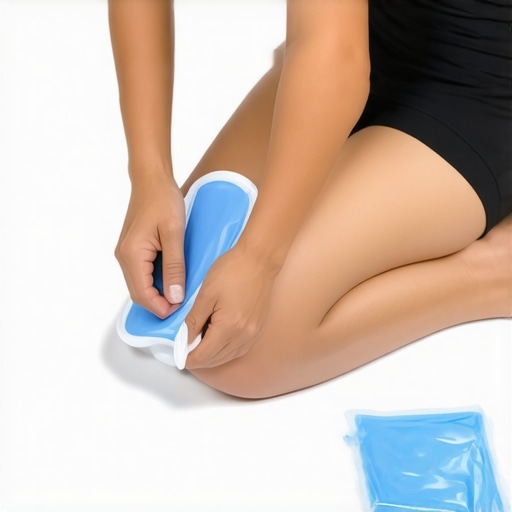
Why heat is usually better than ice for old injuries
I remember the first time I tried icing my nagging back pain after a long day of work. I saw it everywhere in the rehab articles and even on social media—ice packs, cold compresses, the quick fix to reduce swelling. But a strange thing happened. Instead of feeling relief, I felt stiffness settle in, and my discomfort seemed to linger longer. It was a lightbulb moment for me—sometimes, heat might be your best friend, especially for those stubborn old injuries that just won’t let go.
Understanding the Power of Heat for Chronic Pain
After many years of helping others—and experiencing my own ups and downs—I’ve come to realize that applying heat can often work wonders for promoting blood flow, relaxing tight muscles, and encouraging your body’s natural healing processes. Think of heat as an invitation to your body saying, “Hey, let’s get things moving again!” This approach can be especially effective for lingering discomfort or stiffness that doesn’t respond well to cold treatments.
Contrary to popular belief, ice isn’t always the hero for old injuries. According to research published in the Journal of Athletic Training, heat therapy can increase circulation and reduce muscle spasms, which are common culprits behind persistent pain. So, next time you’re tempted to grab that ice pack, consider whether your body might actually benefit more from a warm towel or heating pad.
Have you ever faced a situation where ice just made your pain worse?
Early in my journey, I made the mistake of applying ice to a persistent neck ache. Instead of relief, I ended up with more stiffness and frustration. That taught me an important lesson: treatment isn’t one-size-fits-all. Recognizing what your body really needs can make a huge difference in your recovery and comfort.
By understanding when and why heat works better, you can take more control over your healing process. Whether it’s through simple heat wraps or warm baths, I’ll guide you through practical strategies that actually help restore mobility and ease pain—so you don’t have to suffer in silence anymore.
Stay with me, because next, I’ll show you how to use heat safely and effectively to kickstart your healing journey. Ready to embrace the warmth and say goodbye to unnecessary discomfort? Let’s dive in!
,
Apply Heat Correctly for Targeted Relief
Start by selecting the right heat source—whether a heating pad, warm towel, or warm bath. I vividly remember a time when I used a microwaveable rice pack on my lower back after a long day. Wrapping it snugly around my lumbar area, I could feel the muscles gradually loosening up, easing stiffness that cold treatments couldn’t tackle. To maximize benefits, ensure the heat is warm but not hot enough to cause burns; test it on your forearm first.
Match Heat Duration to Your Needs
Limit Sessions to 15-20 Minutes
Overexposure can lead to skin irritation or inflammation. When I first started using a heating pad, I kept it on for 30 minutes, resulting in redness and discomfort. Once I learned to stick to shorter periods, I noticed sustained relief without adverse effects. Set a timer to avoid remaining too long—15 minutes is usually sufficient for deep muscle relaxation.
Use Multiple Sessions Strategically
Applying heat multiple times a day can enhance blood flow and promote healing. I found that doing two sessions—morning and evening—helped my stiff neck stay more flexible throughout the day, especially when combined with gentle stretches.
Integrate Heat with Movement for Better Mobility
Warm muscles respond well to gentle movement. Before stretching or light exercises, apply heat to prepare your tissues. For example, using a heat wrap before a series of neck mobility exercises can make your session more effective and comfortable. Think of heat as warming up your car engine before a drive—it prevents strain and improves performance.
Be Consistent and Mindful of Your Body
Consistency is key; regular heat therapy sessions yield better long-term results. Listen to your body—if heat causes increased swelling or discomfort, discontinue and consult a professional. I learned this lesson the hard way when I ignored initial signs of irritation, which set back my recovery. For persistent issues, consider integrating chiropractic techniques to accelerate progress—discover more about these strategies at here.
Safety Precautions to Remember
Always place a cloth barrier between the heat source and your skin to prevent burns. Never fall asleep with heat applied, as prolonged exposure increases risk. If you experience numbness, tingling, or worsening pain, remove the heat immediately and seek medical advice. A well-informed approach to heat therapy can transform your recovery process and restore mobility effectively.
Many people believe that chiropractic treatment is about quick fixes—an occasional crack of the spine to eliminate pain. However, this oversimplifies a complex process. One common myth is that adjustments alone can fully resolve chronic neck or back issues without addressing underlying muscular imbalances or mobility restrictions. In reality, successful rehabilitation involves a nuanced understanding of spinal biomechanics and the role of surrounding tissues. For instance, a study published in Spine highlights that combining chiropractic adjustments with targeted soft tissue work yields superior results in restoring mobility and reducing pain. Relying solely on quick adjustments can lead to temporary relief at best, and at worst, reinforce poor movement patterns that contribute to recurring injuries.
Advanced practitioners recognize the importance of personalized care plans that include both spinal manipulations and functional movement analysis. They understand that chronic pain often results from long-standing postural habits, muscle compensation, and neural adaptations. Ignoring these nuances not only prolongs recovery but may increase the risk of further injury.
Furthermore, many patients fall into the trap of expecting immediate, dramatic results from adjustments alone, which can foster disappointment and distrust in the longer-term process. Instead, a comprehensive approach that incorporates mobility exercises, ergonomic assessments, and education on movement can accelerate healing. For example, exploring the link between neck alignment and spinal health can reveal hidden causes of persistent pain, emphasizing that correction involves more than just spinal adjustments—it’s about restoring optimal function across the entire kinetic chain.
Beware of the common misconception that one-size-fits-all treatments are effective. Every individual’s biomechanics, lifestyle, and injury history are unique. As I’ve emphasized before, integrating chiropractic care with other therapeutic strategies is essential for sustainable results, which you can learn more about at this resource. Remember, understanding the deeper nuances of spinal health empowers you to make smarter choices and avoid costly, ineffective treatments. Have you ever fallen into this trap? Let me know in the comments.
Investing in Your Long-Term Mobility
Maintaining spinal health isn’t just about quick fixes—it’s about building a sustainable routine supported by effective tools and methods. Personally, I rely on a combination of specific equipment and disciplined practices that reinforce my progress and keep me moving comfortably. One cornerstone of my toolkit is a high-quality foam roller. I recommend the proper use of a foam roller because it helps break down myofascial adhesions, enhance circulation, and prepare my muscles for movement. Unlike generic rollers, I prefer one with a textured surface to target knots more effectively, which I personally find invaluable after long days or intense workouts.
Alongside manual tools, I use specific apps designed for mobility tracking and guided stretches. For example, the MobilityWOD app provides customized routines that focus on my weak spots, especially areas prone to stiffness or recurring discomfort. These digital tools help me stay accountable and ensure I implement the correct form and frequency—crucial factors for long-term success. As technology advances, I predict that integrated wearable sensors will become mainstream, providing real-time feedback on posture and movement patterns, further personalizing our care routines.
Why Regular Chiropractic Guidance Matters
While self-administered tools are essential, ongoing professional support maximizes results. I personally schedule regular check-ins with my chiropractor, which I see as an investment in maintaining optimal alignment and addressing minor issues before they escalate. Techniques like **chiropractic adjustments combined with soft tissue therapy**, for instance, as discussed in this article, are proven to support mobility and reduce long-term pain. Having a professional evaluate your unique biomechanics ensures you’re not just relying on generic advice but instead following a plan tailored to your body’s needs.
Scaling Your Approach for Future Gains
Adapting your strategies as your body responds is vital. As you progress, consider investing in ergonomic tools—like adjustable desks and supportive chairs—to reinforce healthy postural habits during daily activities. I also incorporate functional movement exercises that mimic real-life tasks, boosting resilience. Looking ahead, advancements in AI-driven posture analysis may offer immediate feedback and correction, making maintenance even more accessible.
How do I keep my mobility years down the line?
Consistency with a combination of self-care tools, professional guidance, and adapting your environment forms the backbone of long-term success. Remember, the key is to treat your spine like a valuable asset—regularly invested, carefully protected, and intelligently supported. To learn more about maximizing your mobility, explore this detailed resource. Don’t forget to try incorporating a foam roller session today; it’s a small step that can significantly impact your health as you scale your efforts for sustained wellness.
The Hidden Truths I Discovered About Spinal Care
Initially, I believed that quick spinal adjustments would solve all my back and neck pain. It wasn’t until I integrated consistent mobility routines and understood my body’s signals that I truly began to heal. The lesson? Effective recovery demands patience and a deeper understanding of your unique biomechanics.
Another insight was realizing that not every heat or cold application suits every injury or discomfort. Listening closely to my body’s responses became the game-changer, emphasizing personalized care over generic treatments.
Finally, I learned that long-term pain management hinges on sustainable habits—like regular stretches, proper ergonomics, and ongoing professional guidance—transforming my approach from reactive to proactive.
Tools and Resources That Changed My Perspective
My top recommendation is the comprehensive guide on chiropractic secrets for neck and back health. It’s packed with actionable strategies rooted in real-world experience.
For mobility tracking, I trust the chiropractic techniques unveiling mobility and pain relief resource—I’ve seen tangible improvements applying their methods.
The proven strategies for back pain recovery have become my daily companions, reinforcing long-term resilience.
Lastly, engaging with professional support through contact forms ensures tailored guidance and accountability, which I consider indispensable for sustained progress.
Your Next Step Toward Movement Freedom
If you’re ready to prioritize your spinal health and truly feel the difference, start today by embracing a routine that respects your body’s unique needs. Remember, real change happens through consistent, informed action—your future pain-free self will thank you! Have you tried integrating heat, mobility, or professional guidance into your routine yet? Share your experiences below—I’d love to hear your journey.