How to Stop Your Hands From Tingling at Your Desk
I remember the exact moment I realized my hands had become numb and tingly during work. It was late afternoon, and I was deeply engrossed in a project, when suddenly a strange sensation crept up from my fingertips to my wrists. At first, I dismissed it as a fleeting tingling, a tired muscle, or maybe the chair pressing just right. But the sensation persisted, growing more uncomfortable, even a little scary. That lightbulb moment made me realize: this wasn’t just about minor discomfort. It was a warning sign that I was neglecting my body’s signals and risking more serious issues.
Why Your Hands Might Be Tingling at Your Desk and Why You Should Pay Attention
This isn’t just an inconvenience; it’s a red flag that something’s off with your nerve health, circulation, or musculoskeletal alignment. Sitting for extended periods often puts pressure on nerves or restricts blood flow, leading to symptoms like tingling or numbness. According to a study published by the National Institutes of Health, nerve compression due to poor posture is a common culprit and can result in symptoms akin to carpal tunnel syndrome. If ignored, these sensations can evolve into chronic pain, weakness, or even lasting nerve damage.
Early on, I made the mistake of brushing it off, thinking it was just part of the job or perhaps related to my ergonomic setup. But in reality, small tweaks to my workspace and habits made a huge difference. Now, I want to share with you what I’ve learned after years of trial, error, and consulting with wellness experts. Whether you’re experiencing temporary tingling or persistent numbness, understanding the root causes is key to reversing or preventing these uncomfortable signs.
Have you ever faced this problem and wondered if it’s serious?
It’s common to feel skeptical—after all, how could something as simple as a desk setup or a chair cause real nerve issues? I’ve been there, too. Early on, I believed that stretching or taking breaks was enough. But I soon realized that a comprehensive approach—addressing posture, movement, and even some underlying musculoskeletal tensions—is necessary. Trust me, ignoring these symptoms can set the stage for ongoing discomfort and functional limitations. If you want practical, proven strategies that I’ve personally tested and refined, keep reading. We’re about to dive into the steps that can help you regain control and find lasting relief, starting with some common mistakes to avoid and simple adjustments your body craves.
Adjust Your Workspace to Reclaim Mobility
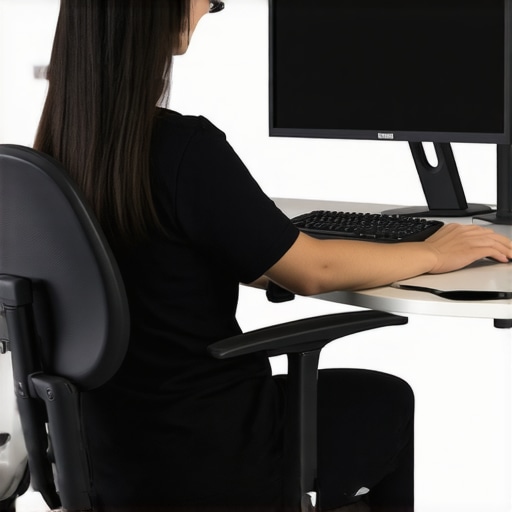
Start by evaluating your ergonomic setup, much like tuning an instrument for perfect sound. Sit with your feet flat on the floor, knees at 90 degrees, and your monitor at eye level to prevent neck strain. Use a lumbar pillow or chair with good lower back support to maintain proper spinal curvature. An incorrect setup can compress nerves or restrict blood flow, leading to those uncomfortable tingling sensations.
Implement Precise Posture Corrections
Focus on aligning your body as if you are preparing for a dance—the slightest misalignment can cause tension. Practice keeping your shoulders relaxed and elbows close to your sides, avoiding slouching forward. Regularly check your posture throughout the day; consider setting alarms or reminders. This simple habit prevents nerve compression, which is often the culprit behind numbness in your hands.
Incorporate Movement Breaks and Specific Exercises
Break the static cycle by taking short, intentional movements—think of them as refueling your device. Every 30 minutes, stand up and perform quick stretches like the scapular squeeze to open up your chest and reset shoulder positioning. Also, try nerve gliding drills, such as the nerve glide exercise, which helps free trapped nerves and reduces tingling sensations.
Master Breathing Techniques for Better Circulation
Deep breathing acts like a pump, enhancing blood flow to your nervous system. Practice diaphragmatic breathing by inhaling deeply through your nose, allowing your abdomen to rise, then exhaling slowly. This stimulates relaxation and improves circulation, reducing numbness. Remember, consistent practice yields long-term benefits, much like building muscle capacity over time.
Optimize Repetitive Movements and Use Proper Tools
Identify repetitive actions that exacerbate symptoms—like clicking a mouse or typing—then modify your technique. Use ergonomic tools like padded wrist rests or split keyboards to reduce strain. When lifting or reaching, ensure movements are smooth and controlled, much like steering a car. These adjustments minimize nerve compression, preventing symptoms from worsening.
Maintain Regular Chiropractic Care to Sustain Progress
Periodic visits to a chiropractor can fine-tune your biomechanical alignment, preventing issues before they escalate. Think of it as tuning a guitar; regular adjustments keep your body in harmony. If you’re unsure where to start, a consultation can reveal hidden tensions or misalignments contributing to nerve compression. For comprehensive guidance, see how professional insights can lead to lasting relief.
Most people believe that simply stretching or cracking their necks and backs will resolve their mobility issues, but in reality, this approach often masks deeper problems. A common myth is that pain or stiffness always indicates tight muscles that need loosening. However, according to expert insights in wellness professionals, persistent discomfort often stems from joint misalignments or nerve impingements that can’t be fixed by stretching alone. Relying solely on passive treatments like massage can lead to dependency and neglect the importance of active stabilization exercises that address the root cause. This oversight can cause many to think their issue is simply muscular when complex biomechanical factors are often involved.
Another misconception is that more mobility means more flexibility, but pushing past your body’s limits without proper guidance can trigger trigger points or exacerbate underlying issues. Overstretching healthy tissue can weaken ligaments and decrease stability, increasing the risk of injury. Instead, approaches like targeted chiropractic adjustments, such as those outlined in proven strategies for back mobility, focus on restoring harmony to your musculoskeletal system without overloading tissues. Recognizing the nuanced difference between mobility and stability is a game changer for long-term relief.
Why do some people never find lasting relief even after frequent therapy sessions?
This is where many fall into an advanced trap: they overlook the importance of understanding nerve dynamics. For instance, nerve gliding exercises, like those discussed in nerve mobility drills, can prevent nerves from becoming trapped or irritated. Experts emphasize that addressing nerve movement is critical because trapped nerves can cause recurring pain even after musculoskeletal correction. A holistic approach that incorporates neural mobilization—beyond just muscle stretching—is essential for comprehensive recovery. Such insights are backed by studies like those published in the NIH, demonstrating nerve decompression techniques’ effectiveness in chronic cases.
Even well-intentioned efforts can lead to setbacks if you neglect the body’s adaptive capacity. For example, repetitive poor posture ingrains poor movement patterns that become automatic, making corrective exercises less effective unless these habits are consciously changed. Embracing mindful movement and incorporating exercises that reprogram neural pathways is crucial for sustained improvement. For instance, techniques detailed in natural mobility enhancement can re-establish healthy movement patterns and restore function.
In sum, busting these myths involves understanding that true mobility isn’t just about loose muscles or flexible joints but about harmonizing nerves, joints, and muscles through active, precise, and informed strategies. Have you ever fallen into this trap? Let me know in the comments.
Maintaining your progress over time requires the right tools and practices that support long-term health and mobility. One game-changer I’ve personally adopted is the use of **nerve glide exercises**, which help prevent nerve entrapment and reduce symptoms like numbness and tingling. The nerve glide drill has become part of my daily routine, especially after long periods of desk work. Incorporating such specific exercises ensures neural pathways remain flexible and healthy, reducing the likelihood of recurring symptoms.
Another invaluable tool is **professional chiropractic care**, which I see as essential for maintaining spinal alignment and addressing subtle misalignments before they exacerbate into full-blown pain. Regular visits, particularly using strategies outlined in proven chiropractic strategies, help keep my back and neck in optimal condition. These sessions are complemented by at-home exercises tailored to my specific needs, like the hip flexor release, which enhances mobility and reduces stiffness.
In addition to physical tools, I rely on software like posture monitoring apps. These apps gently remind me to correct my posture if I start slouching or craning my neck, reinforcing healthy habits throughout the day. Looking ahead, the future of long-term maintenance appears to be a hybrid approach that combines smart technology with personalized manual therapies, creating a continuous feedback loop to support spinal health.
How do I keep my mobility and relief sustainable over time?
The key is consistency and proactive care. Scheduling regular check-ins with a chiropractor, just as you would with a dentist, ensures early detection of misalignments. Additionally, committing to daily targeted exercises—like nerve gliding, scapular squeezes, or hip releases—preserves flexibility and neural mobility. These strategies not only prevent discomfort but also help your body adapt to the stresses of daily life, making pain management sustainable. For a comprehensive overview of how chiropractic care can accelerate your recovery, check out this insightful resource.
If you want to take your maintenance to the next level, I highly recommend incorporating the advanced chiropractic techniques into your routine. For example, regular spinal adjustments combined with specific nerve mobilization techniques, as backed by studies such as those from the NIH, can significantly improve long-term outcomes. Don’t wait for discomfort to escalate—try implementing one of these targeted exercises today and see how your mobility improves over time.
Over the years, I’ve come to realize that the most valuable lessons about mobility and pain relief aren’t found in popular tips or quick fixes—they’re buried in personal experience and honest reflection. One profound insight I gained is that true progress often comes from embracing discomfort as a guide, not an enemy. Pushing through resistance during stretching or adjusting my posture, even when it felt awkward, led me to discover what my body truly needed. These moments taught me that patience and attentive listening are essential—sometimes, relief arrives unexpectedly when we stop resisting change.
Another lesson was understanding that not all interventions are created equal. I once relied heavily on passive treatments like massages or heat pads, believing they offered complete solutions. However, I found that integrating active exercises, nerve mobilizations, and precise chiropractic adjustments yields sustainable results. Recognizing this balance transformed my approach and reinforced the importance of combining different strategies tailored to my body’s signals. This nuanced perspective is something I wish everyone knew—that meaningful healing often involves a personalized, multi-faceted journey.
Lastly, I learned that consistency outshines intensity. It’s easy to get excited about quick results, but lasting mobility and pain relief are rooted in daily habits—small actions like mindful breathing, regular movement breaks, and ergonomic awareness create compounding benefits over time. By cultivating these habits and trusting the process, I gradually reclaimed my mobility and reduced discomfort. My hope is that by sharing these lessons, you too can see that genuine progress is less about instant fixes and more about committed, informed self-care that honors your body’s unique rhythms.
My Essential Toolkit for Lasting Mobility Gains
Throughout my journey, I’ve relied on some trusted tools that genuinely made a difference. First, using nerve glide exercises, such as the nerve glide drills, helped me prevent nerve entrapment and maintain neural flexibility—an often-overlooked aspect of pain management. Second, regular chiropractic visits aligned my spine and optimized my musculoskeletal health. I found that strategies like those in proven chiropractic techniques keep my body in harmony, reducing flare-ups. Lastly, incorporating mobility tools like foam rollers and ergonomic accessories supported my daily routine, making the exercises more effective and comfortable. These resources have become pillars of my sustainable mobility practice, and I recommend exploring them to support your own healing process.
Empower Your Next Step with Confidence
Your journey toward better mobility and pain relief is unique, but you’re not alone in seeking effective strategies. The key is embracing informed action—small, consistent steps that respect your body’s signals and prioritize sustainable habits. Whether you’re starting with targeted exercises, adjusting your workspace, or seeking professional guidance, remember that progress is a marathon, not a sprint. Every effort you make brings you closer to the freedom of movement and comfort you deserve. So, why not take that first step today? Commit to small changes, stay curious, and trust in your capacity to transform your mobility and well-being. You’ve got this, and the journey begins now.
What’s one small change you’re willing to try today to improve your neck or back mobility? Share your plan below—I’d love to hear about your next move!