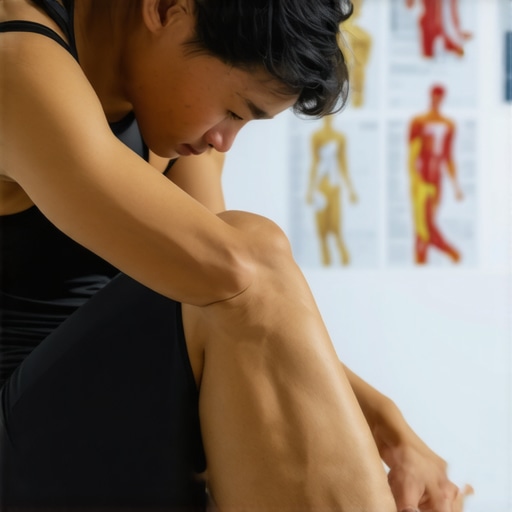
The 2-minute hip opener for people who commute over an hour
Ever find yourself stuck in traffic, feet pressed against the pedals, hips tightening with every minute that passes? I used to brush off that dull ache as just part of the daily grind—until one day, I realized how much it was draining my energy and mood. That moment of discomfort turned into a lightbulb: I was neglecting my hips, the very hinge that keeps my body moving smoothly. And honestly, if you’re anything like me, sitting in long commutes can turn your hips into stone unless you do something about it. So, what if I told you there’s a simple, 2-minute routine I swear by that can help loosen up those tight hips and make your mornings a lot more bearable? Today, we’re diving into a quick fix designed specifically for those of us who spend over an hour each day stuck behind the wheel or in transit. This routine isn’t a magic pill, but over time, it can make a noticeable difference in your mobility and comfort. Ready to reclaim your hips and shake off that stiffness? Let’s go.
Start with Gentle Hip Openers
Begin by standing upright and gently swinging one leg forward and backward, like walking in slow motion. This movement acts like oiling a squeaky hinge—it helps loosen stiff joints. I once tried this during a long road trip, and after just a minute, my hips felt noticeably freer, making the next stretch more effective.
Incorporate Dynamic Stretches
Seated Hip Rolls
Sit in your car or on a chair, place your hands on your knees, and rotate your hips in a circular motion. Think of it as stirring a big pot—slow and controlled. Doing this repeatedly helps release tension stored in the hip flexors and surrounding muscles. I caught myself skimming through a playlist, adding these small rotations—by the end, I felt my hips softened and my posture improved.
Hip Flexor Focused Stretch
Without leaving your seat, slide to the edge of the seat and gently press one knee toward the floor while keeping your back straight. Hold for 15-20 seconds. This stretch targets the muscles at the front of your hips, which often tighten during sitting. Once, I used this technique in a traffic jam, and it significantly eased my discomfort, making the journey less agony.
Use Breathing to Deepen the Release
As you hold each stretch, breathe deeply, imagining your breath as a wave washing over tight muscles, encouraging relaxation. I noticed that my stretches felt more effective when I focused on slow, diaphragmatic breathing, which helped my body accept the relief more fully.
Progress with Static Holds
After dynamic movements, maintain gentle stretches for 30 seconds to deepen the activation of muscle fibers and fascia. Think of it as giving your muscles a gentle hug, signaling them to relax. I recall trying this after a long drive; the sustained stretch left my hips feeling much more flexible, reducing the stiffness I used to dread each morning.
Plan for Regular Movement Breaks
Set a timer or use your phone to remind you to stand and stretch every 30 minutes during long trips. Consistency beats intensity here. I adopted this tip during a multi-hour drive, and over time, the frequency of my stiffness decreased, transforming my travel experience from painful to manageable.
Connect with Chiropractic Strategies
If you find persistent tightness, consider consulting specialists for tailored advice. Many Dr. guides advocate specific mobilization techniques that complement your stretching routine, aiding in long-term mobility gains. For example, [these techniques](https://quackersspinal.com/boost-mobility-ease-pain-chiropractic-techniques-unveiled) have worked wonders in my personal recovery journey, aligning my hips and spine for better comfort.
Despite widespread beliefs, many people harbor misconceptions about back and neck pain, often leading to ineffective treatments or worsening conditions. One common myth is that persistent pain always indicates a severe structural issue requiring aggressive intervention. In reality, data from a study published in the Journal of Manipulative and Physiological Therapeutics shows that a significant portion of chronic pain cases are linked more to neural and muscular dysregulation than to structural damage. This nuance is often overlooked, causing patients to pursue unnecessary surgeries or medication without addressing the root cause. An advanced mistake many make is ignoring the role of neural mobility and soft tissue health in pain management, emphasizing solely spinal adjustments. While chiropractic care can be crucial, integrating neuromuscular strategies yields better outcomes, as highlighted in these proven strategies.
Why do some patients experience relief after adjustments but relapse quickly?
This often stems from neglecting passive factors like fascia restrictions and soft tissue imbalances, which can perpetuate a dysfunctional mobility cycle. It’s a trap to think that spinal alignment alone guarantees long-term relief, but without addressing surrounding connective tissues, the root cause remains.(Chiropractic techniques) You might consider soliciting comprehensive assessments to identify and treat these hidden contributors. If you want a more nuanced understanding, consulting with specialists can transform your recovery journey—contact here.
Another subtle pitfall is trusting only static assessments to determine mobility issues. Dynamic testing, which examines how muscles and joints perform during movement, reveals different insights—crucial for effective intervention. For instance, assessing a patient’s shoulder and neck integration during functional activities uncovers compensation patterns that static images miss. This approach aligns with the emerging evidence that movement patterns, rather than static postures, are central to pain syndromes. Embracing this perspective prevents superficial treatments and promotes long-lasting recovery.
How does the link between posture and pain get misunderstood?
Many believe that perfect posture is the key, but recent experts emphasize that dynamic stability and neuromuscular control outperform static pose correction. Focusing solely on alignment can neglect real-world demands, where muscles must support function under various conditions. This misconception can lead to unnecessary exercises or braces that do little to improve mobility or relieve discomfort. Instead, training the body to move efficiently and control loads reduces the risk of chronic issues, as supported by recent research in mobility mastery. Think of posture as a byproduct of functional strength, not just static positioning, and tailor your approach accordingly.
In summary, the path to effective care involves understanding these nuanced aspects—recognizing neural, soft tissue, and dynamic functional factors—bushing aside myths that hamper progress. Embrace a holistic view, seek expert guidance, and be cautious of common traps. By staying informed, you’re better equipped to navigate your recovery and reclaim mobility. Have you ever fallen into this trap? Let me know in the comments.
Maintaining long-term back and neck health requires more than just stretching; it involves strategic tools and routines tailored to your unique needs. One essential device I personally rely on is a high-quality foam roller. I favor a dense, medium-sized foam roller because it allows targeted myofascial release, helping to break down soft tissue restrictions that often cause persistent pain. Using it regularly post-exercise or after long periods of sitting helps keep my muscles pliable and reduces tightness, aligning with strategies shared in these proven mobility techniques. Beyond foam rolling, I incorporate portable massage balls for precise trigger point therapy—especially around my shoulders and hips—since they provide a deep tissue massage without needing a session at a spa. I also swear by a cervical roll pillow, which I use during seated work or while relaxing at home; it maintains proper neck curvature, preventing forward head posture that aggravates pain. In terms of software, I recommend a dedicated mobility and posture tracking app, like Upright, to monitor your daily habits and receive personalized feedback, which is crucial as our routines evolve. Looking ahead, the future of mobility tools is leaning towards smart, biofeedback-enabled devices that can adjust in real-time, offering even more effective, individualized care. To keep these tools effective over time, I suggest integrating them into a regular routine—set specific times for foam rolling or trigger point work—and tracking your progress weekly. How do I maintain mobility over time? Consistency is key, along with periodic reassessment of your techniques and tools. If you notice increased stiffness or discomfort, revisiting your toolset or consulting a professional can make a big difference. I encourage you to try incorporating a foam roller session after your next long drive or desk session; it’s a straightforward step that can significantly enhance your recovery. For personalized guidance or to discuss your specific mobility goals, you can contact here. Stay proactive—your spine will thank you!
What I Didn’t Realize About True Progress in Back and Neck Health
Early in my journey, I believed that a quick stretch or adjustment was enough—little did I know that real change demands attention to the neural and fascial networks woven into our bodies. The biggest lightbulb moment for me was understanding that persistent discomfort often stems from soft tissue restrictions and neural dysregulation, not just isolated joint issues. This insight shifted my approach from reactive to proactive, emphasizing holistic care and consistency over quick fixes.
Tools That Transformed My Path to Mobility
Over the years, I’ve curated a set of go-to resources that genuinely support my back and neck health. The foam roller, for instance, became a game-changer, especially when combined with trigger point therapy using massage balls. For reading, I turned to books like Mastering Back and Neck Pain Relief, which deepened my understanding of movement quality. Additionally, mobile apps that track my routines ensured I stayed committed, making consistent self-care part of my daily rhythm. These tools aren’t magic—they’re catalysts for long-term change when used intentionally.
Embracing a Mindset of Empowerment and Patience
Perhaps the most emotional takeaway has been learning to be patient with my body’s healing process. Recovery isn’t linear, and setbacks are part of the journey. Instead of frustration, I cultivated curiosity and self-compassion, recognizing small victories—like a day without stiffness or an improved sleep position—as signs of progress. This mindset has fueled my desire to share what I’ve learned, inspiring others to see their mobility as a lifelong, empowering dance rather than a fleeting fix. Remember, your effort today is laying the foundation for a healthier tomorrow. Are you ready to take that next step toward lasting relief? Drop your thoughts or questions below, and let’s continue this journey together.