Why your high heels are tilting your entire spine forward
I remember this one hectic evening: I was rushing out the door, slipped into my favorite pair of high heels, and took a few steps. Suddenly, a wave of dizziness washed over me, and I felt a strange tightening in my neck. It hit me—those stylish shoes were more than just a fashion statement; they were subtly tilting my entire spine forward, throwing me off balance and causing discomfort that lasted for days. That lightbulb moment changed how I approached my footwear and posture.
How My Favorite High Heels Are Actually Working Against Me
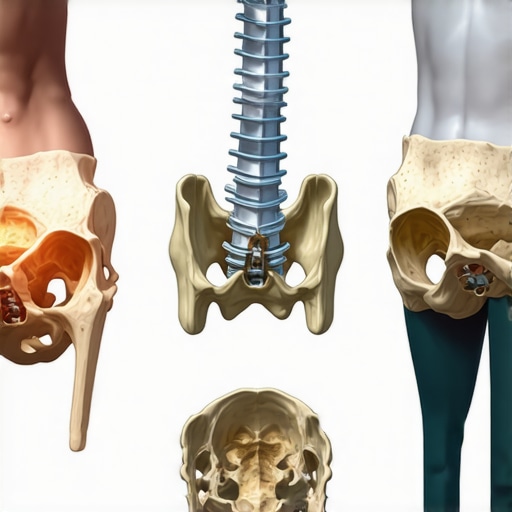
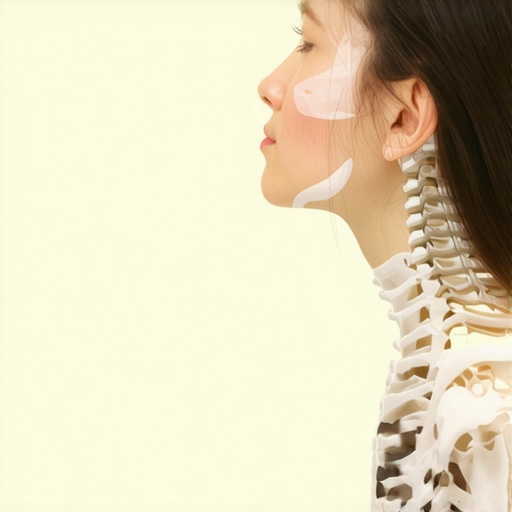
Excited to share what I’ve learned, I want to help you understand why your high heels might be doing the same to you. It’s not just about looking good; it’s about your health. When we wear heels regularly, they force our bodies into unnatural positions, shifting our entire spinal alignment forward. Over time, this can lead to chronic pain, reduced mobility, and even influence how we stand and walk daily.
Today, I’ll unravel the reasons behind this and offer practical tips to keep your spine happy and pain-free. Whether you’re a heel enthusiast or just curious, trust me—it’s worth paying attention to how your footwear impacts your overall well-being.
Could This Be Why Your Back Feels Off Balance?
Early in my journey, I made the mistake of ignoring the significance of proper footwear. I simply thought—“It’s just a little heel, no big deal.” That was until I experienced persistent neck tightness and back discomfort. Recognizing the true impact of my shoe choices was a game-changer. If you’ve ever felt a nagging ache after a long day in heels, you’re not alone. Many overlook how these tiny shifts add up.
Research supports this concern—studies show that wearing high heels shifts your center of gravity forward, leading to compensatory changes throughout your entire spine (source: here).
So, if you’ve faced discomfort, imbalance, or just want to prevent future problems, let’s dive into how we can align your body better—no fancy gadgets required, just real, practical steps you can start today.
,
Align Your Body with Targeted Posture Exercises
During my messy attempt at a daily stretch routine, I focused on strengthening my core—imagine pulling in a belt around your waist to support your lower back. I started with basic moves like planks and bird dogs, gradually increasing duration. These exercises act like a scaffolding, stabilizing your spine and counteracting the forward tilt caused by heels. Consistency here is key—do them every morning for noticeable results.
Engage Your Core with the Dead Bug
This move is straightforward and effective. Lie on your back, extend your arms toward the ceiling, and lift your legs with knees bent at 90 degrees. Slowly lower opposite arm and leg, keeping your core tight. In my trial, I set a timer and committed five minutes daily. Soon, I felt less fatigue and improved balance, as my spine received better support from strengthened abdominal muscles. Find out more about core strengthening at this resource.
Optimize Your Feet for Better Spinal Alignment
Your feet are the foundation of your posture—poor footwear like worn-out sneakers can disrupt alignment. I replaced my old shoes with orthotics and supportive sneakers, which significantly reduced my back strain. When selecting footwear, check for proper arch support and avoid high heels for extended periods. Consider consulting with a professional—visit this contact page to schedule a custom foot assessment. Proper footwear encourages a neutral spine, decreasing the compensatory curves that lead to discomfort.
Use the Wall Roll for Neck and Shoulder Relief
This technique feels like a gentle massage. Stand with your back against a wall, gently pressing the back of your head into the wall, then slowly perform chin tucks—imagine creating a double chin. Do this for 10 repetitions, twice daily. During my practice, I discovered that consistent movement restored some lost curvature in my neck, alleviating headaches caused by forward head posture. For detailed guidance, check out this article.
Adjust Your Workspace for Comfort
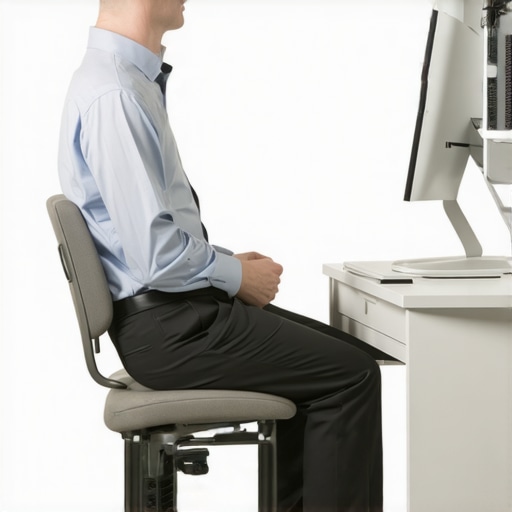
My workspace was a disaster—monitor too low, keyboard awkward. I adjusted my desk height, elevated my monitor, and used an ergonomic chair. The result? Less neck strain and fewer headaches. Position your screen at eye level and keep your feet flat on the floor. This simple shift is like giving your spine a break, preventing the hunched posture from heels or prolonged sitting. Learn more about optimal ergonomics at this link.
Incorporate Active Rest Breaks During the Day
I set alarms every hour to stand, stretch, and move. Think of movement as frequently adjusting the foundation of a house—small shifts prevent cracks. Gentle spine twists, shoulder rolls, and seated cat-cows keep the muscles active and joints lubricated. Over a few weeks, I noticed my posture stayed better even after hours of computer work, and discomfort diminished. Aim for quick, 2-minute stretches every hour to keep everything aligned. For ideas on effective mobility routines, explore this page.
Many assume that chiropractic care is solely about quick fixes or cracking a few joints, but this misses a key nuance—that true spinal health involves a comprehensive understanding of your nervous system and movement patterns. A common myth is that adjustments are the only solution for back or neck pain; however, research indicates that ongoing lifestyle modifications, such as improving mobility and posture, are critical. Over-reliance on periodic adjustments without addressing foundational issues can lead to temporary relief but not lasting results. For instance, studies have shown that combining chiropractic care with targeted exercise improves long-term outcomes more significantly than adjustments alone (source: here).
What Tools Help Maintain Your Spinal Health Over Time?
To truly keep your spine functioning optimally, investing in the right tools and adopting consistent routines is essential. One of my top recommendations is a high-quality foam roller. I personally use a dense, 36-inch foam roller to perform my daily myofascial releases, which help reduce muscle tension and improve circulation. Regular use can prevent tightness that often leads to misalignments and pain.
In addition, a reliable posture correction device, like a smart posture trainer, provides real-time feedback to ensure you maintain proper alignment during daily activities. I’ve found that wearing a discreet posture brace during work hours keeps me mindful of my neck and back position, especially during long sessions at the desk. These devices are backed by research indicating improved postural muscle activation when used consistently (more here).
Why I Recommend Specific Software for Mobility Tracking
Tracking your progress is vital. I rely on simple apps that monitor posture and movement patterns throughout the day. An app like ‘Upright’ syncs with wearable devices to remind me to adjust my position. These prompts help develop better habits and provide data to identify recurring issues before they escalate. Using technology in this way fosters long-term mindfulness and reinforces healthy movement routines.
Looking ahead, the trend is moving towards integrating AI and machine learning to personalize movement correction and injury prevention plans even further. Emerging tools will analyze your biomechanics and suggest tailored exercises, making maintenance more effective and less time-consuming.
How do I maintain spinal mobility over time?
Consistent movement is the cornerstone. Incorporating daily mobility routines like gentle spinal twists, shoulder rolls, and the 2-minute morning mobility routine discussed here keeps my joints lubed and muscles flexible. Additionally, periodic professional chiropractic assessments—at least twice a year—can detect early misalignments and address them before pain develops. A comprehensive approach combining self-care tools and expert care ensures your spine remains resilient.
One advanced tip to try today is incorporating resisted neck extensions with a resistance band. Inserting controlled strength exercises like this can prevent age-related mobility decline and strengthen stabilizer muscles. For detailed guidance, visit this resource.
If you’re serious about long-term spine health, reach out to a professional for personalized advice—consider scheduling a visit through this contact page. Remember, investing in the right tools and habits today pays off in sustained mobility and pain-free movement tomorrow.
What the Quiet Signals Taught Me About My Spine’s Whispered Needs
- Deep down, I realized that ignoring small aches only delayed bigger problems. Listening to those subtle signs—like lingering neck tightness—can be your body’s way of telling you to pay attention before discomfort takes over.
- Sometimes, the most effective healing comes from simple daily habits. I’ve found that consistent core exercises and mindful movement routines outperform quick fixes, guiding me towards sustainable relief.
- Truth be told, trusting professionals who understand the interconnectedness of posture, footwear, and daily habits transformed my approach from reactive to proactive. It’s about nurturing your spine as a whole, not just patching symptoms.
Tools That Became My Backbone for Better Mobility
- My foam roller is like a silent coach—helping release muscle tensions that pull my spine out of alignment. It’s a small tool making a massive difference, especially when used with intentionality.
- Smart posture devices have held me accountable, providing gentle reminders to keep my head and shoulders aligned. Trust me, their subtle cues keep long-term habits in check more effectively than willpower alone.
- The resources I turn to for guidance—like comprehensive articles on creating ergonomic workspaces—are invaluable. They reinforce that environment shapes our health as much as exercise and care routines.
- Lastly, consistent chiropractic visits, combined with self-care tools, create a synergistic effect. They empower me to maintain mobility and prevent issues before they escalate, anchoring my journey to a pain-free life.
This Is Your Moment to Reclaim Your Spine’s Future
Every step you take towards understanding and caring for your spine unlocks a new level of vitality and comfort. Remember, the path to lasting mobility is paved with deliberate choices—from choosing supportive footwear to establishing smart movement habits. Embrace the journey, stay curious, and prioritize your well-being today. Your spine will thank you for it.
How have you integrated spine-friendly routines into your daily life? Share your story below, and let’s learn from each other’s experiences!