Why your soft sofa is doing more harm than your hard office chair
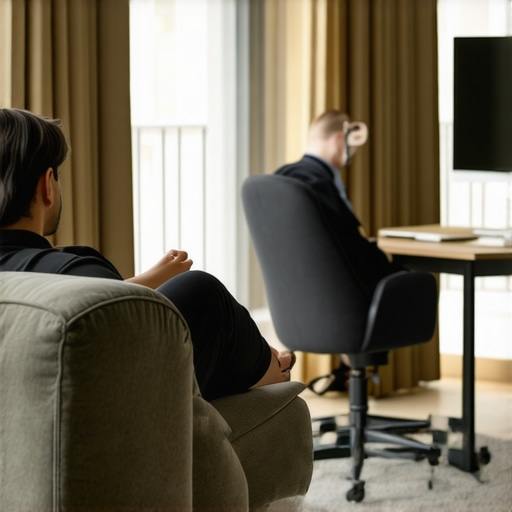
Ever lounged on your favorite soft sofa after a long day, only to wake up with a stiff neck or aching back? I remember sinking into that plush cushion, thinking I was giving my body a well-deserved rest. But soon enough, I started noticing that my pain was worse than before—no relief in sight, just more discomfort and frustration. That lightbulb moment made me realize something: my cozy sofa might actually be the culprit.
It’s a common, almost cozy trap—settling into our soft, inviting couches, thinking they’re the best for relaxation. But studies show that overly soft furniture can lead to poorer posture and increased strain on our spine over time. According to a recent article from chiropractors, prolonged sitting on soft furniture without proper support can contribute to chronic neck and back pain, especially when coupled with poor sleeping habits or unnecessary slouching.
Why a couch that feels cozy might be hurting you
Is the hype around plush furniture really worth it?
When I first made that mistake, I thought I was doing right by myself—after all, comfort is king, right? I thought soft was best because it felt good. But early on, I overlooked a crucial detail: support. I was making the mistake of sacrificing spinal alignment for plushness. That misstep delayed my recovery from neck pain and made me overlook simple yet effective adjustments. If you’ve been experiencing similar struggles, know that you’re not alone, and there’s a way out.
Finding the right balance between comfort and support is essential. It might sound counterintuitive, but sometimes, a firmer seat or proper ergonomic setups can help align your spine, reduce pain, and improve mobility. Want to learn how to avoid the trap of soft furniture and regain your comfort without sacrificing your health? Stay with me. In the upcoming sections, we’ll explore practical strategies to improve your posture and reduce back and neck pain, backed by expert insights and proven techniques. Let’s make your home a refuge, not a pain zone.
Adjust Your Seating for Better Support
Start by choosing furniture that offers firm support rather than plush softness. Imagine your spine like a stack of books: it needs a solid, leveled base to stay upright. I once replaced my sagging couch with an ergonomic chair and immediately noticed less strain on my neck and lower back. Use cushions if necessary, but prioritize overall support to maintain proper alignment.
Master the Proper Sitting Posture
Keep your feet flat on the ground, knees at a 90-degree angle, and hips slightly higher than knees. Sit back fully against the chair’s lumbar support, and avoid slouching forward. Think of your spine as a gentle curve—maintaining that shape prevents undue pressure. I remind myself to sit tall, which feels odd at first but gradually becomes natural, significantly reducing morning stiffness.
Set Up Your Workspace Ergonomically
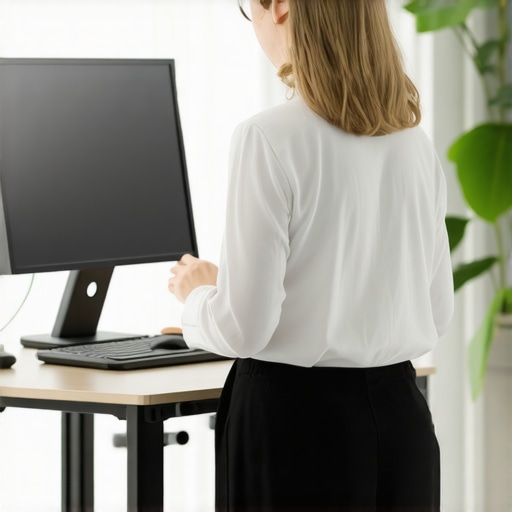
Position your monitor at eye level, about an arm’s length away. Adjust your chair so that your elbows are close to a 90-degree angle when typing. Use a keyboard tray or monitor riser if needed. Imagine your neck as a puppet—its strings should pull upward with minimal tension. I adjusted my monitor and noticed a instant decrease in neck tension, making work sessions more comfortable.
Incorporate Movement Breaks
Every 30 minutes, stand up and stretch or walk briefly. This action prevents static strain and stimulates blood flow. For example, I set a timer and performed gentle neck rolls and shoulder shrugs, which relieved stiffness and kept my back active throughout the day. Regular movement is key to avoiding chronic pain buildup.
Practice Targeted Neck and Back Exercises
Engage in simple stretches like chin tucks and cat-cow movements daily. These exercises help retrain your muscles to support proper posture. Once, after a week of consistent practice, I felt a remarkable decrease in persistent pain. Find routines that focus on strengthening your core and back muscles; they act like a natural brace, reducing strain on your spine. For detailed exercises, consider exploring resources at this guide.
Avoid Prolonged Static Positions
Limit staying in the same posture for extended periods. Use reminders to shift positions or do quick stretches. Think of your body as a vehicle that needs regular tune-ups—avoid stagnation to prevent wear and tear. I keep a standing desk option and alternate between sitting and standing, which helped me feel more energized and less stiff.
Optimize Your Sleep Environment
Use a supportive pillow that keeps your neck aligned with your spine, not bent forward or to the side. Be wary of overly soft mattresses that allow your body to sink, causing misalignment. I replaced my old mattress and started sleeping in the correct position, which cut down my morning pain significantly. It’s worth reviewing this resource for more tips on sleep ergonomics.
Monitor and Adjust Regularly
Your posture needs periodic assessment; what worked months ago might not suffice now. Use mirrors or record yourself to spot poor habits. I set weekly reminders to evaluate my setup and posture, leading to continuous improvements and pain reduction. Small adjustments—in furniture height, monitor placement, or exercise routines—compound into significant relief over time.
Many people believe that the simplest solutions, like taking a quick pill or stretching more, will resolve their chronic neck or back pain. However, the reality is far more nuanced, and falling for common myths can worsen the problem. For instance, everyone says that cracking your back at home is harmless, but in my experience, improper self-manipulation can lead to ligament strains or even exacerbate underlying issues. It’s essential to understand that not all pain is the same, and quick fixes often overlook underlying causes, such as spinal misalignments or muscular imbalances. Interestingly, some studies show that over-reliance on passive treatments like heat packs or even certain chiropractic adjustments, without addressing lifestyle factors, can offer only temporary relief. To truly get to the root of the problem, you need to recognize these hidden nuances and avoid the trap of superficial solutions.
Why Focusing Solely on Symptoms Can Backfire
Many assume that managing pain symptoms directly is enough, but this approach often misses the bigger picture. For example, ignoring postural habits or movement patterns can lead to recurring episodes. A report from top chiropractic experts emphasizes the importance of assessing spinal health holistically rather than just treating localized pain. This perspective aligns with the idea that back and neck pain are often symptoms of broader issues involving mobility, core strength, and even foot alignment.
Furthermore, the misconception that pain is always a sign to avoid movement is one of the most damaging myths. In reality, controlled and targeted movement can enhance mobility and support healing, as described in detailed resources like proven strategies for back pain relief. Engaging in specific exercises that strengthen supportive muscles prevents chronic pain and improves overall spinal health.
Beware of the Maintaining your spinal health over the long term requires more than just good habits; it benefits significantly from the right tools and routines. One of the most effective investments I made was a high-quality ergonomic chair with adjustable lumbar support and a breathable mesh backrest. Personally, I chose the Steelcase Series 1 because its customizable settings help me maintain proper posture during long work sessions, reducing strain after hours at the desk. Using such a chair helps align my spine naturally and prevents the slouching that often worsens neck and back pain.
In addition to furniture, I swear by a set of foam rollers and massage balls for self-myofascial release. I dedicated a few minutes daily to rolling out tight muscles, especially around my shoulders and lower back. This routine not only alleviates tension but also improves circulation, promoting better mobility. I prefer the TriggerPoint Core Foam Roller because its textured surface effectively targets knots without causing discomfort.
For monitoring and maintaining posture, I utilize a smart posture corrector app like Upright GO. This device attaches discreetly to your back and provides real-time feedback on your posture, sending gentle vibrations when you slouch. I’ve found it invaluable for becoming more aware of my habits and adjusting in the moment, which is crucial for long-term spinal health. Regular use of such technology encourages mindful habits that support spinal alignment and reduce chronic pain.
A crucial part of future-oriented pain management is embracing wearable technology that tracks movement and posture patterns, allowing for personalized adjustments. Trends indicate that integration between physical tools and digital analytics will dominate the scene, helping individuals fine-tune their routines based on comprehensive data.
### How do I maintain my tools and routines over time?
Consistent maintenance is the backbone of long-term results. For instance, I set quarterly reviews of my ergonomic setup—adjusting chair heights, replacing worn-out cushions, or upgrading my posture devices. Scheduling time for periodic self-assessments using mirror recordings or feedback apps ensures I stay aligned and alert to any developing issues.
Incorporating these tools, along with expert advice available at resources like top chiropractic insights, greatly enhances my mobility and reduces pain recurrence. I urge you to try integrating a posture correction device into your daily routine—notice the subtle yet powerful changes it can bring to your spinal health. As the field advances, expect smarter, more integrated solutions to become standard, making long-term maintenance more achievable than ever.Throughout my journey to banish persistent neck and back pain, I uncovered lessons that fundamentally changed my approach to spinal health. One of the most eye-opening realizations was that superficial fixes often hide the root of the problem. I learned that understanding the true mechanics of my posture and supporting muscles was crucial—something that many overlook when chasing quick relief. Additionally, I discovered that consistent movement and intentional ergonomics create a resilience in the spine that no passive treatment can match. Lastly, embracing a holistic perspective—considering sleep, footwear, and daily habits—has empowered me to maintain lasting comfort and mobility.