How to Sit in an Office Chair Without Killing Your Back
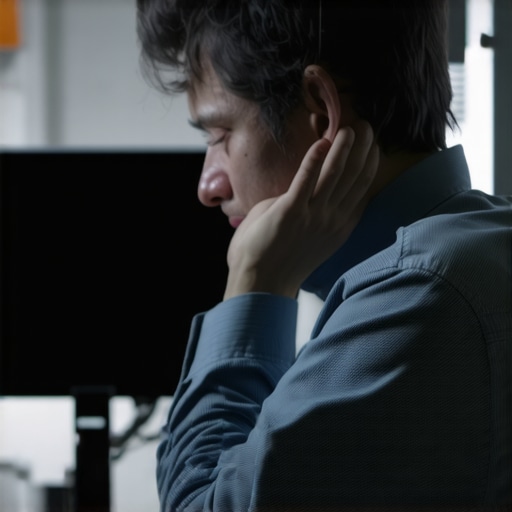
It hit me during a late-night work session—my back was screaming in a way that was impossible to ignore. I had spent years neglecting proper sitting posture, assuming comfort was enough. But that terrible ache that woke me up the next morning? It was a wake-up call I couldn’t ignore. If you’ve ever felt that sharp twinge after sitting for hours or wondering why your back feels more like a battleground than a support system, you’re not alone. I used to think that a cushioned chair could do all the work for me, until I realized I was just masking the problem.
Why Sitting Properly Matters More Than You Think
The truth is, sitting is an unavoidable part of modern life. Whether you’re working at a desk, streaming your favorite shows, or scrolling through social media, we spend a cavernous amount of our day seated. Studies show that poor sitting habits are linked directly to chronic back pain, neck tension, and decreased mobility (source: https://quackersspinal.com/back-pain-recovery-how-chiropractic-care-transforms-lives).
But here’s the kicker: many of us make the same mistakes early on, without realizing how harmful they can be. I used to slouch, lean forward, and twist my torso, thinking I was comfortable. Little did I know, these habits set the stage for ongoing discomfort. It wasn’t until I learned how to sit properly—aligning my spine, engaging my core, and choosing the right chair—that I started to notice a real change.
Do you find yourself struggling with persistent back pain or neck strain after long hours at your desk? That’s exactly the problem I want us to tackle today. We’re going beyond generic advice and diving into practical, easy-to-implement strategies that can transform your sitting habits—and your health.
Is Sitting Properly Really That Important? Or Just Another Trend?
I admit, I was skeptical at first. I thought, “How much difference could good posture possibly make?” Early in my journey, I made a crucial mistake: I ignored the significance of lumbar support. I relied solely on cushions and hoped for the best. That mistake almost cost me my mobility and added to my frustration.
Trust me, proper sitting isn’t just about looking good — it’s about feeling good, moving freely, and warding off pain in the long run. For a more comprehensive approach, check out my recommended tips for boosting spinal health at simple chiropractic hacks. This knowledge laid the foundation for my recovery and can do the same for you.
Adjust Your Chair for Optimal Support
Start by setting your chair height so that your feet are flat on the ground and your knees are at a 90-degree angle. Ensure your lower back is fully supported by the chair’s lumbar curve. I remember the first time I sat with a small cushion behind my lower back, instantly feeling relief. This simple tweak improved my posture drastically and reduced my discomfort.
Align Your Desk and Monitor
Position your monitor at eye level to prevent straining your neck. Think of your neck as a crane; if you tilt your head forward or downward, it’s like extending the crane’s arm unnecessarily. I often use a stack of books to raise my monitor until I found the perfect level—reducing neck fatigue during long work sessions.
Engage Your Core During Sitting
Activate your abdominal muscles gently to support your spine. Visualize your core as the scaffolding holding a building steady; without it, the structure weakens. I started practicing subtle core contractions while seated, which helped stabilize my pelvis and alleviate lower back tension. This habit prevents slouching and encourages an upright posture.
Practice Micro-Movements Throughout the Day
Periodically shift your position or do small stretches to avoid stiffness. Imagine your spine like a flexible garden hose—constant movement prevents it from kinking or stiffening. During a workday, I set a timer to remind myself every 30 minutes for quick shoulder rolls or hip tilts. These tiny actions keep mobility as natural as breathing.
Incorporate Strategic Breaks
Take short breaks to stand, walk, or perform gentle stretches. Think of it as watering a plant; regular hydration keeps everything thriving. Even a two-minute walk around the room after 25 minutes of sitting can prevent chronic pain. I found that stepping away refreshed my focus and reduced postural fatigue.
Use Proper Support Accessories
Consider lumbar rolls or ergonomic cushions that align your spine naturally. It’s like giving your back a custom-built support brace—without the hassle. I experimented with a lumbar roll that fit perfectly into my chair, which made a tangible difference in maintaining curvature and easing discomfort.
Adopt Correct Sitting Habits
Keep your shoulders relaxed, elbows close to your body, and wrists neutral. Think of your body as a well-tuned instrument; proper positioning ensures all parts work together harmoniously. I consciously avoided slouching or leaning forward, which subtly trained my muscles to hold a better posture over time.
Lean Into Resources for Guidance
Explore expert tips on improving mobility and relieving pain by visiting simple chiropractic hacks. They offer practical insights that complement these steps, creating a comprehensive approach to back health.
 Many people assume that visiting a chiropractor is a quick fix for neck and back pain, but this oversimplification often leads to misconceptions. Contrary to popular belief, adjusting the spine alone doesn’t guarantee lasting relief; the practice requires nuanced understanding of the body’s interconnected systems. One common myth is that chiropractors only manipulate the spine—while true to some extent, comprehensive care involves addressing core stability, mobility patterns, and lifestyle factors. Overlooking these nuances results in temporary fixes rather than long-term results. It’s a trap many fall into: expecting adjustments to fix everything without engaging in active rehabilitation or ergonomic changes. For instance, relying solely on spinal manipulation without strengthening supportive muscles can lead to recurrence of pain. Advanced mistakes include neglecting the importance of understanding individual biomechanics or misjudging the role of soft tissues like muscles and fascia. This oversight can cause chiropractors and patients alike to repeat ineffective treatments or engage in counterproductive habits. From my experience working with clients, the overlooked aspect often lies in the neuromuscular connection—how the brain communicates with muscles— which affects posture and pain patterns. In fact, research shows that improving proprioception and motor control yields superior outcomes over manipulation alone.
What’s the relationship between neuromuscular control and chronic back pain, and how can advanced interventions target this connection?
Developing a deep understanding of this aspect can elevate your approach from basic symptom management to true functional restoration. If you want to explore more about sophisticated strategies, check out proven chiropractic strategies for mobility restoration. Additionally, beware of common pitfalls like neglecting posture correction outside the clinic, which often undo professional efforts. The key is integrating chiropractic care with active movement, ergonomic adjustments, and proprioceptive training—elements that foster durable healing and prevent future issues. Remember, lasting relief doesn’t come from one-time adjustments but through a holistic, nuanced approach that addresses the root causes rather than just the symptoms. Have you ever fallen into this trap? Let me know in the comments.Maintaining your spinal health over time requires more than just good habits—it demands the right tools and a proactive approach. Personally, I rely on a combination of ergonomic equipment and targeted exercises to keep pain at bay and mobility thriving. One of my go-to tools is a high-quality lumbar support cushion, like the Omega Lumbar Roll, which I place in my office chair. This device helps sustain the natural curve of my lower back, reducing strain during long work sessions. I’ve found that consistently using such support aligns my posture and prevents chronic discomfort, especially when combined with regular movement breaks.
Another essential is a balance ball chair, which I switch to intermittently. Sitting on a stability ball engages core muscles and encourages active posture correction without conscious effort. Scientific studies support this dynamic sitting method for improving spinal endurance and reducing pain (source: https://quackersspinal.com/boost-mobility-ease-pain-chiropractic-techniques-unveiled). I personally notice a significant decrease in neck tension when I incorporate short sessions on my ball—it’s like giving my spine a micro-realignment.
For mobility, I incorporate foam rollers into my routine. I prefer the short, dense models for targeted myofascial release, especially along the thoracic spine. Using a foam roller daily after work helps alleviate stiffness and enhances flexibility, which is crucial for long-term health. It’s a simple, yet effective, way to maintain soft tissue health and prevent injuries.
Technology also plays a role in my regimen. I utilize a posture-tracking app, like Upright Go, which gently reminds me to adjust my posture if I slouch or lean forward. These subtle prompts train my body to habitualize better positioning and have shown promising results in improving postural awareness over time.
Looking ahead, I predict these tools will become even smarter, integrating AI to analyze posture patterns and suggest personalized corrections in real-time. The trend toward personalized ergonomic solutions isn’t slowing down, and embracing these technologies could give you a substantial edge.
But tools are only as effective as your consistency. How do I maintain proper neck and back posture over time? The key lies in regular, intentional use of support devices combined with movement and mindfulness. For instance, setting a reminder to perform a quick mobility drill, like the “Deep Neck Flexor Exercise,” can significantly strengthen supportive muscles—and I wholeheartedly recommend trying it today. Properly supported and mobile, your spine can serve you well for decades to come.
The Hardest Lesson I Learned About Chiropractic and Back Pain
One profound realization was understanding that quick fixes and isolated adjustments aren’t enough. True progress requires addressing lifestyle habits, movement patterns, and mindful ergonomics. I once believed that spinal tweaks alone could restore my back, but I soon discovered that integrating core strengthening and daily mobility exercises made all the difference.
My Must-Have Items for Sustained Spinal Wellness
Over time, I’ve curated a toolkit that supports lasting health—things like a supportive lumbar roll, a stability ball chair, and foam rollers for soft tissue release. These tools have empowered me to maintain good posture actively, reducing my reliance on passive treatments. My favorite is the ergonomic cushion from simple chiropractic hacks, which keeps my lower back supported during long hours at the desk.
Embracing the Journey: Your Role in Back Resilience
Remember, the pursuit of a healthy back isn’t a sprint but a marathon. Consistency in supportive habits, strategic use of tools, and proactive movement can transform your spine’s wellbeing. Empower yourself to take small, daily steps—like setting reminders for mobility drills or adjusting your workspace—because these accumulate into lasting change. Your back deserves this ongoing care, and the benefits extend far beyond pain relief to overall vitality.