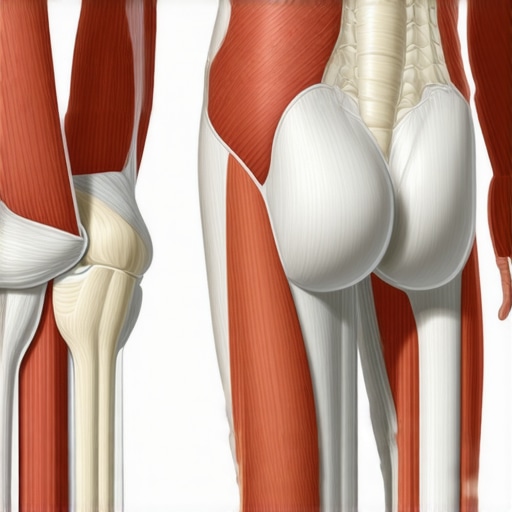
The best exercises to keep your spine young
Have you ever experienced that sharp tug of pain in your neck after a long day of work, or felt your back stiffen up just when you thought you could push through it? I sure have. There was a time when I ignored the warning signs, brushing off that nagging discomfort as just part of getting older. But one day, I woke up with a persistent ache that wouldn’t go away. That was my lightbulb moment—realizing that my daily habits and exercise choices were influencing my spinal health more than I ever imagined.
Why Taking Care of Your Spine Should Be a Top Priority Now
Our spines are the unsung heroes of our bodies. They support us, keep us mobile, and protect the nervous system that runs every part of us. Yet, in our busy lives, we often neglect its needs—sitting too long, poor posture, or skipping movement altogether. The good news? Simple, intentional exercises can keep your spine youthful and resilient. If you’re tired of constant discomfort or recent injuries, these strategies might just change your life.
Is It Really Worth the Effort?
Absolutely. I made the mistake early on of doing nothing, thinking pain was just part of aging. That led to stiffness and limited mobility. Now, I know better. A study published in the Journal of Orthopaedic & Sports Physical Therapy shows that regular spinal exercises can significantly reduce pain and improve function. The key is consistency and knowing what works for you. Want to learn proven techniques that I swear by? I’ll guide you through simple moves that anyone can incorporate into their daily routine—no fancy equipment needed.
If you’re wondering whether these exercises make a real difference, I can tell you from personal experience that they do. And if you’re like me, you probably want practical tips that fit into a busy schedule. Well, stay tuned—next, we’re diving into specific exercises that will help you boost mobility and ease pain, backed by expert advice and my own journey towards a healthier spine.
Ready to take control of your spinal health? Let’s start with understanding why your current habits might be holding you back, and how small adjustments can lead to big improvements.
,
Integrate Controlled Movements Into Your Daily Routine
Start with simple, deliberate exercises that mimic natural motions. For example, sit upright and gently turn your head from side to side, holding each position for a few seconds. This movement loosens stiff joints and reduces muscle tension. I remember once trying this during a hectic workday, initially feeling awkward, but it quickly became a habit when I noticed less neck discomfort at day’s end.
Use Gentle Stretching to Release Tension
Stretching targeted muscles like the upper traps and levator scapulae can prevent tightness that leads to pain. Think of muscles as rubber bands; gentle stretching keeps them elastic, avoiding snap or strain. I once spent five minutes each morning doing neck stretches, and over weeks, felt a significant decrease in stiffness and headaches.
Optimize Your Posture in Real-Time
Pay attention to your desk setup and daily habits. Imagine your spine as a stack of building blocks—if one block is misaligned, the entire structure feels unstable. Adjust your monitor to eye level and keep your shoulders relaxed. I used a lumbar roll on my chair, which instantly improved my posture, reducing discomfort during long computer sessions.
Employ Breathing Techniques to Relax Muscles
Deep diaphragmatic breathing decreases muscle tension and calms nerves. Breathe in slowly through your nose, expanding your belly, then exhale fully. I practice this while waiting in line, noticing how it alleviates neck and shoulder tightness caused by stress.
Incorporate Movement Breaks Throughout the Day
Stand up, stretch, or walk around every 30 minutes. Think of your spine as a garden hose that needs water flow; stagnant water breeds stiffness. I set reminders to stand and move, which prevented the build-up of pain and improved overall mobility.
Use Simple Tools for Self-Myofascial Release
A tennis ball can target knots in your upper back and neck. Place it against a wall and gently roll over sore spots, applying manageable pressure. I did this after sitting at my desk for hours, which released muscle tightness effectively. For more techniques, check out https://quackersspinal.com/boost-mobility-ease-pain-chiropractic-techniques-unveiled.
Seek Professional Guidance When Needed
If discomfort persists, schedule a chiropractic consultation. Think of it as having a skilled mechanic fine-tune your car’s engine; your spine needs expert adjustments to function smoothly. I visited a chiropractor who used specific mobilization techniques, resulting in immediate relief and long-term improvements. For more insights, visit https://quackersspinal.com/back-pain-recovery-how-chiropractic-care-transforms-lives.
Prioritize Consistency and Listen to Your Body
Regularly practicing these actions reinforces healthy habits. Maybe one day, I skipped stretching and paid the price with stiffness the next morning. Remember, small daily efforts accumulate into significant health gains, preventing pain before it starts.
Many people assume that suffering from neck or back pain means they need quick fixes like constant pills or aggressive adjustments, but let’s dig deeper into some common misconceptions that could be doing more harm than good. For instance, it’s widely believed that pain always signifies injury needing rest, but research shows that persistent pain sometimes results from muscle imbalances or mobility issues that can be addressed through targeted exercises rather than prolonged inactivity.
Another myth is that chiropractic adjustments are only effective in the short term. In reality, when combined with proper rehab strategies, regular adjustments can reinforce long-lasting improvements in spinal stability and function. However, a frequent mistake is relying solely on manipulation without addressing the underlying movement patterns—this oversight can lead to recurring issues.
Pay attention to the nuances involved in these treatments. For example, many overlook the importance of movement quality over the number of sessions. A study published in the Journal of Manual & Manipulative Therapy emphasizes that integrating manual therapy with active, patient-specific exercises yields better outcomes than passive treatments alone.
How can advanced mobility routines prevent setbacks from recurring pain?
It’s not just about stretching or strengthening; understanding the specific mobility restrictions in your spine is crucial. Overly generic routines might overlook individual nuances—such as subtle joint restrictions or fascial adhesions—that hinder full recovery. Personalized mobility assessments, like those outlined in this [chiropractic resource](https://quackersspinal.com/boost-mobility-ease-pain-chiropractic-techniques-unveiled), can identify these barriers and guide more effective interventions.
Avoid the trap of assuming that more frequent treatments always mean better results. Instead, focus on quality, tailored movement strategies that restore your natural ranges of motion. Curious about how to customize your approach? Check out [these proven strategies](https://quackersspinal.com/revitalize-your-mobility-proven-strategies-for-back-pain-relief) that many overlook but are essential for lasting relief.
Have you ever fallen into this trap? Let me know in the comments.
Essential Tools I Recommend for Lasting Neck and Back Relief
Investing in the right equipment can make a significant difference in maintaining your spinal health over time. Personally, I rely heavily on a few key tools that integrate seamlessly into my daily routine, ensuring consistent progress and long-term results. One such essential is a quality foam roller, which I use every morning to release fascial adhesions and improve my mobility. I find that targeted rolling, especially on areas like the thoracic spine and hips, helps prevent stiffness and maintains my range of motion.
Another game-changer is a tennis ball for self-myofascial release. I place it against a wall to target stubborn knots in my upper back. The precise control it offers allows me to relieve tension effectively without needing professional intervention each time. Additionally, I incorporate resistance bands for gentle strengthening exercises that support my posture and spinal stability. The key is consistency—using these tools regularly reconstructs healthy movement patterns and enhances resilience.
Adopting Proven Methods for Sustained Outcomes
Alongside physical tools, I advocate for employing specific chiropractic techniques to optimize your results. Techniques like nerve gliding exercises, accessible through guidance on this resource, can be adapted for daily practice. These involve controlled movements that improve nerve mobility and reduce the likelihood of chronic pain returning. Personally, I perform these exercises after long sitting periods or intense workouts, noticing a marked decrease in lingering discomfort.
Furthermore, integrating mindfulness with breath control enhances muscle relaxation. Deep diaphragmatic breathing calms the nervous system, reducing muscle tension that often exacerbates pain. I dedicate five minutes daily to this practice, which complements my physical routine and maintains my overall well-being.
Where do I see this trend heading in the future?
Emerging technology and biofeedback devices will likely revolutionize how we manage spinal health. Wearable sensors that monitor posture and movement patterns could prompt real-time corrections, making consistent maintenance more effortless. Virtual reality-guided exercises might become mainstream, providing immersive guidance tailored to individual needs. These innovations will empower individuals to take proactive control of their spinal health, minimizing the need for repetitive chiropractic visits.
How do I maintain my mobility tools over time?
Regular maintenance of your tools is critical. Foam rollers and resistance bands should be checked periodically for wear and tear; replacing them before they lose functionality ensures safety and effectiveness. Clean your equipment according to manufacturer instructions to prevent bacteria buildup. For digital resources, stay updated with the latest techniques by subscribing to reputable sources like this guide on proven mobility strategies. Consistent upkeep guarantees that your tools provide optimal performance and support your long-term health journey. Don’t forget—try incorporating a nerve glide exercise into your routine today; it’s a simple step that can significantly reduce nerve irritation and improve your overall mobility.
What I Was Surprised To Learn About Neck Pain and Mobility
- One of the hardest lessons I learned was that pain is often a sign of imbalance, not just injury, which means addressing muscle coordination is more vital than just resting or quick fixes.
- Understanding that genuine spinal health comes from consistent movement, not occasional stretches or visits, shifted my entire approach to wellness.
- The realization that personalized mobility routines outperform generic exercises was a game-changer—it made me realize that listening to my body’s subtle signals can prevent future setbacks.
- From experimenting with different tools and techniques, I discovered that proactive care, rather than reactive fixes, is key to sustainable neck and back health.
- Finally, I learned that integrating these habits into daily life isn’t about perfection but progress—small, manageable steps lead to long-term resilience.
My Go-To Resources for Lasting Neck and Back Relief
- Proven Strategies for Back Pain Relief: This guide offers tailored mobility routines that have helped me understand my unique needs and maintain long-term relief.
- Expert Tips on Neck Pain Management: Their insights on posture correction and nerve gliding exercises have been invaluable in preventing recurring discomfort.
- Chiropractic Secrets for Spinal Stability: I trust these resources because they combine scientific evidence with practical advice, empowering me to take control of my health.
- Latest Advances in Mobility Tech: Staying updated with innovative tools and techniques keeps my routine effective and engaging, ensuring consistent progress.
The Courage to Keep Moving Forward
Embarking on a journey to improve neck pain and spinal health might seem daunting at first, but remember: every small effort adds up to a healthier, more mobile life. Embrace the process, trust in the tools and strategies that resonate with you, and celebrate each win along the way. Your spine’s well-being is an ongoing story—make yours one of resilience and vitality. Ready to take the next step? Share your experiences or questions below—your story might inspire someone else to start their own path toward lasting relief.