3 Ways Your Tight Calves Are Pulling Your Lower Back Out of Alignment
Ever had that jolting pain in your lower back after a long day, only to realize that your calves felt unusually tight? I remember the moment vividly—standing in my kitchen, barely able to bend down, and suddenly understanding why my back felt like it was about to give out. It was a lightbulb moment that the issue wasn’t just my back but something further down the chain: my calves.
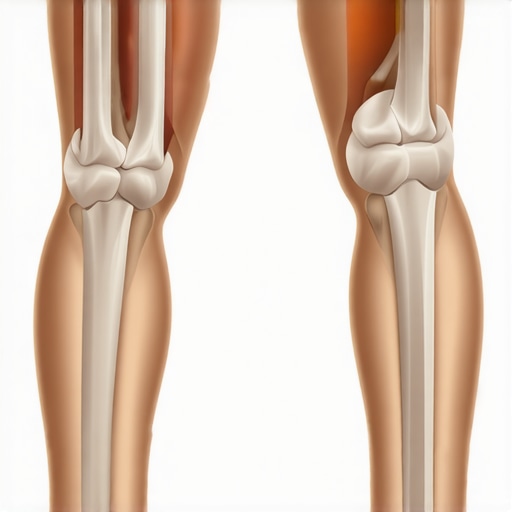
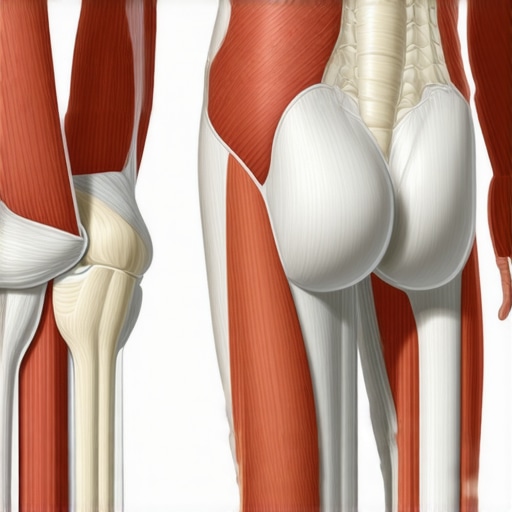
Many people overlook how interconnected our muscles really are. When your calves are tight, they can influence your pelvis and spine, pulling your lower back out of alignment. This misalignment often leads to chronic pain, restricted mobility, and even recurring injuries. But here’s the good news: by focusing on your calves, you might just solve a long-standing back pain issue.
Today, I want to shed light on the *three main ways* tight calves can sabotage your lower back—a problem that sneaks up on many and sabotage their daily comfort. The exciting part? Once you understand these connections, you’ll see how simple stretches or adjustments can make a considerable difference.
Why Your Calves Are More Than Just Lower Leg Muscles
You might be wondering, “Is this really a big deal?” Absolutely. Your calves play a pivotal role in your overall posture and movement. When they’re tight, they limit ankle mobility. This restriction causes compensatory movements elsewhere—primarily in your pelvis and lower back—to maintain your balance and walk properly. Over time, these compensations can strain your lower back, leading to misalignment and pain.
Early in my journey, I made the mistake of only stretching my back or hips when pain appeared. I ignored my calves until I realized that neglecting them only prolonged my discomfort. An authoritative source from [quackersspinal.com](https://quackersspinal.com/neck-back-pain-solutions-insights-from-wellness-experts) highlights how neglecting lower leg flexibility can contribute to chronic back pain.
If you often experience lower back discomfort after activities like standing, walking, or even sitting for long periods, tight calves could be quietly sabotaging your efforts to stay pain-free. Recognizing this connection is the first step toward lasting relief.
Are you tired of waking up stiff or feeling that nagging ache after your day? If so, this might be the breakthrough you’ve been searching for. The good news is that addressing calf tightness is straightforward—and it can dramatically improve your mobility and reduce back pain.
In the upcoming sections, I’ll walk you through practical, easy-to-implement strategies that target these hidden culprits. Let’s get started—your back and calves will thank you.
Stretch Your Calves Daily for Better Mobility
Start with simple calf stretches similar to the classic runner’s stretch, but focus on proper form. Stand facing a wall, place your hands on it, step one foot back, keeping the heel flat and knee straight. Lean forward slightly until you feel a gentle pull in your calf muscle. Hold for 30 seconds and switch sides. I remember the first time I did this in the morning; my calves felt noticeably looser by midday, reducing tension in my lower back. Consistency is key—integrate this into your morning routine to keep your muscles flexible.
Use Foam Rollers to Release Muscle Tension
Employ a foam roller on your calves to break up knots and improve blood flow. Sit on the floor, place the roller under your calf, and gently roll from the ankle to the knee. Apply pressure as comfortable, pausing on tender spots. I once spent 10 minutes rolling each calf after a long day, and the difference in my overall mobility was evident the next morning. Regular foam rolling lowers muscle tightness, which in turn, reduces the strain on your pelvis and lower back.
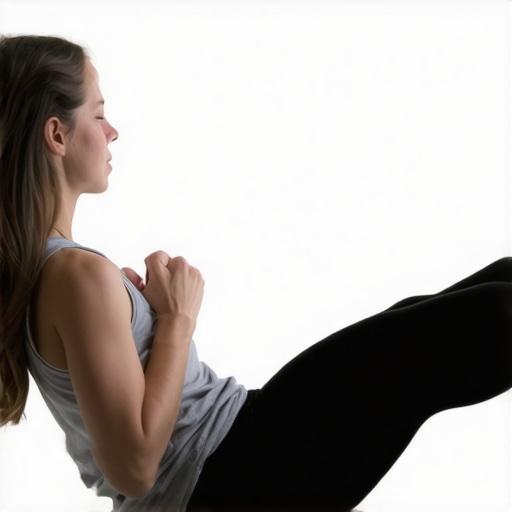
Incorporate Dynamic Calf Movements
Dynamic movements like heel-toe raises activate your calves and promote flexibility. Stand upright and lift your heels off the ground, balancing on your toes. Then, lower your heels slowly and repeat for 15 reps. Doing this once a day helped me stabilize my ankle mobility, leading to less compensatory strain higher up the chain. Think of your calves as the foundation of a house—keep them strong and flexible to support your entire structure.
Practice Ankle Dorsiflexion Exercises
This movement involves pulling your toes toward your shin, which stretches the calves and Achilles tendons. Sit with your leg extended, loop a resistance band around your foot, and gently pull back toward you. Hold for 20 seconds and repeat 3 times per foot. When I added dorsiflexion drills into my routine, I noticed my ankle flexibility improved, which helped alleviate pressure transferred to my lower back. Enhanced ankle mobility minimizes compensations that pull your pelvis out of alignment.
Leverage Chiropractic Techniques for Lasting Relief
Complement your stretching with professional chiropractic adjustments. Chiropractors can identify specific restrictions in your ankle joints or muscles, using targeted manipulations to restore proper movement. I visited a chiropractor after noticing persistent calf tightness, and the focused adjustments made a significant difference in my overall posture. These therapies amplify the benefits of your self-care routines and ensure that tight calves no longer contribute to your back pain.
Remember, small daily actions compound over time. Regularly incorporating stretching, rolling, dynamic movements, and professional care will help you eliminate calf tightness, leading to a more aligned spine and healthier back. For personalized guidance, consider scheduling an appointment with a specialist at Quacker’s Spinal Center to develop an effective plan tailored to your needs.
Many assume that neck pain is solely a localized issue, stemming from muscle strain or poor posture. However, the reality is far more complex. A common myth is that tight muscles are always the root cause, leading many to focus solely on stretching, without addressing underlying dysfunctions in joint mechanics or nerve health. In my experience, this approach often yields temporary relief at best, because it overlooks the nuanced interactions between nerves, fascia, and joint stability. For instance, a study published in the Journal of Manipulative and Physiological Therapeutics highlights that joint restrictions can perpetuate muscle tension, suggesting that addressing joint mobility is crucial for lasting relief. Moreover, many practitioners over-rely on chiropractic adjustments alone, neglecting the importance of integrated movement patterns and neurological factors. A trap to watch out for is believing that pain reduction equals true healing; sometimes, the brain simply adapts around unresolved issues, masking the problem without resolving it. This can lead to persistent pain cycles and even chronic conditions. To truly enhance your mobility and reduce pain, consider approaches that combine joint work, nerve gliding, and neural reset techniques. Curious how some techniques can unlock your neck’s full range of motion? Visiting a specialist who understands the advanced nuances—like those detailed in our [expert insights on neck and back pain solutions](https://quackersspinal.com/neck-back-pain-solutions-insights-from-wellness-experts)—can make all the difference. Are you falling into this trap of oversimplification? Let me know in the comments.Maintaining optimal mobility and pain relief requires more than quick fixes; it demands consistent practice and the right tools. One of my favorite investments is a quality foam roller designed specifically for calves and lower legs. I chose a dense, shorter roller that allows precise targeting of tight muscles, which I personally use daily after workouts or long sitting periods. This tool helps release muscle knots and improve blood flow, essential for preventing back strain caused by compensatory gait adjustments. Additionally, incorporating resistance bands into my routine has been transformative. I prefer loop bands that enable ankle dorsiflexion exercises, which I perform in sets of ten daily. These simple devices are affordable yet highly effective at maintaining joint mobility, a cornerstone for long-term spinal health. For tracking progress and staying consistent, I rely on mobility tracking apps like ‘MobilityMaster,’ which use simple prompts and reminders. These digital tools motivate me to stay disciplined and give insights into my improvements over time, ensuring I don’t regress into old habits that cause tight calves or misalignments. Looking ahead, I predict wearable technology, such as smart insoles and posture monitors, will further personalize mobility and pain management strategies, making maintenance more intuitive and engaging. For example, a recent study in the Journal of Physiotherapy highlights how real-time biofeedback can accelerate recovery and sustain mobility gains.
How do I keep my mobility routines effective over time?
The key is integrating these tools into daily habits, not sporadic sessions. Regular use of foam rollers and resistance bands, complemented by professional chiropractic care, ensures muscles stay flexible and joints function smoothly. Scheduling periodic check-ins with a chiropractor can address any emerging restrictions early, preventing minor issues from becoming chronic pain. To explore more about the benefits of chiropractic techniques in maintaining spinal health, visit this resource. As my experience and emerging research suggest, combining these physical tools with expert guidance creates a sustainable pathway for long-term relief and enhanced mobility. Try dedicating five minutes daily to targeted foam rolling and resistance exercises to see noticeable improvements in your comfort and movement. Connecting with a professional at Quacker’s Spinal Center can also provide personalized recommendations tailored to your specific needs, ensuring your maintenance routine is both effective and adaptable.One of the most valuable lessons I discovered is how interconnected our body regions truly are; ignoring this can lead to prolonged discomfort. I once believed that neck pain was solely about cervical muscles, until I realized tight calves contributed to poor posture and tension up the chain, a realization that transformed my approach to healing. Additionally, I learned that patience and consistency in mobility routines are more impactful than quick fixes, emphasizing that sustainable progress happens gradually. Another insight was understanding that professional support, like tailored chiropractic adjustments, complements self-care practices, ensuring lasting relief rather than temporary relief. Finally, I recognized that our habits—such as sitting posture and footwear—play a significant role in maintaining or worsening these issues, highlighting the importance of mindful daily choices.