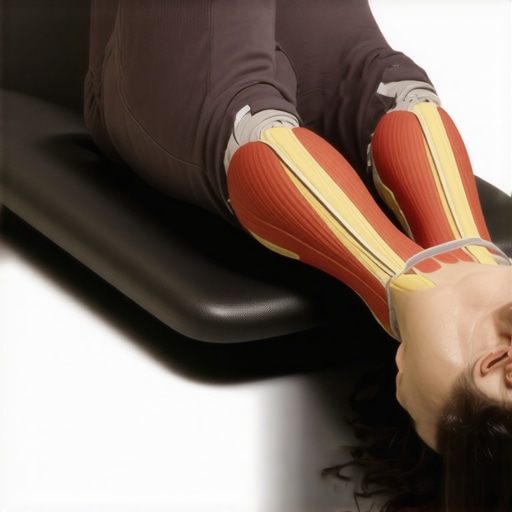
Why Your Daily Commute is Quietly Destroying Your Lower Back
It was just another Monday morning when I finally felt that sharp, stabbing pain in my lower back—right after the commute. Ever had that moment where you realize your usual routine is doing more harm than good? For me, it was a lightbulb flickering on. I used to think back pain was just part of aging or an inevitable consequence of sitting too long at work. But then I traced the pain back to one culprit: my daily commute. It’s a silent enemy that’s been slowly eroding my mobility, and I bet you might be in the same boat.
Understanding the Hidden Toll of Your Commute on Your Lower Back
Is This Struggle Actually Common?
I used to brush off my persistent lower back discomfort as normal. That is, until I discovered that prolonged sitting and poor postures during commutes are major contributors to chronic back issues. Early on, I made a crucial mistake: neglecting proper ergonomics and assuming the pain would just resolve itself — a mistake many of us make. Knowing what I do now, I can tell you this: ignoring these signs can lead to long-term damage and decreased mobility.
Research confirms what many of us experience firsthand. Studies have shown that sitting for extended periods, especially without proper lumbar support, significantly increases the risk of lower back pain. The problem isn’t just the time we spend sitting but how we sit and move afterward. This realization was eye-opening for me and changed how I approached my daily routine.
If you’re like me, you’ve probably questioned whether your daily routine is worth the pain or if it’s just “part of life.” The good news? There are effective ways to counteract this damage. In the following sections, I’ll share personal insights and proven strategies to help you protect and restore your lower back health. If you’ve faced similar struggles, keep reading — because solutions are within reach.
Reposition and Strengthen Your Posture During Breaks
Start by setting a timer every 30 minutes to remind yourself to change positions. When you take breaks, stand up and stretch gently, mimicking the natural movement of a cat stretching—this encourages spinal mobility and reduces stiffness. I remember during one busy workday, I set a reminder to stand and do a quick torso twist every half hour. It felt awkward at first, but after a week, I noticed my back pain significantly diminished. Regular micro-movements like this keep your spine from stiffening and are critical for those who sit long hours.
Those Critical Posture Countermeasures
Adjust Your Seat and Work Setup
Think of your spine as a stack of blocks; if the base isn’t stable, everything above it wobbles. Ensure your chair offers lumbar support—use a small pillow if necessary—to keep your lower back naturally curved. Set your monitor at eye level to prevent leaning forward. During my own test, I repositioned my laptop on a stack of books and adjusted my chair height. The immediate relief was evident, and over time, I became more conscious of my posture, which became second nature.
Incorporate Specific Exercises
Targeted exercises can act like realigning the pieces of a puzzle. Focus on strengthening your core muscles—like your abs and lower back—that support your spine. One effective move is the pelvic tilt, which can be compared to gently pressing your lower back into a mattress—a simple motion that releases tension. I started doing 10 repetitions of pelvic tilts every morning, noticing improved stability during my workdays. Consistent practice of such exercises can drastically improve your back’s resilience.
Utilize Effective Ergonomics and Movement Techniques
Imagine your spine as a flexible straw that needs to bend without breaking. Ergonomic adjustments prevent unnecessary strain, much like adjusting a garden hose to prevent kinks. Position your keyboard and mouse so your elbows are at a 90-degree angle, and avoid reaching forward. When I implemented these small tweaks, I observed less neck and shoulder tension, contributing to overall back comfort. Pairing ergonomic setup with controlled movement—like shoulder rolls or neck stretches—keeps your spine flexible and less prone to pain.
Implement Professional Guidance for Lasting Relief
If stubborn pain persists, professional intervention becomes essential—think of it as having a map in the wilderness. Visiting a chiropractor can realign your spine precisely, much like tightening the screws in a loose chair. A personal experience with a chiropractor transformed my outlook; after a few sessions, I regained mobility and felt more energized. Regular check-ins ensure your back remains healthy and responsive to your daily activities. For tailored strategies, consider exploring https://quackersspinal.com/restore-your-back-mobility-proven-chiropractic-strategies to understand how professional care supports your journey.
Avoid Harmful Habits and Fake Fixes
Steer clear of quick fixes that promise instant relief but often worsen the problem. Think of it as patching a leak with duct tape instead of repairing the pipe—ineffective in the long run. Refrain from prolonged static positions, repetitive twisting, or neglecting to address ergonomic issues. Instead, adopt habits like mindful posture adjustments and regular movement. This dynamic approach is much like tuning a musical instrument; small ongoing tweaks keep your back in harmony for the long term.
By integrating these actionable steps into your daily routine, you transform your posture from a passive victim to an active participant in your health. Remember, consistent effort yields the best results, and small changes accumulated over time can free you from the grip of chronic back pain.
Many people assume that neck pain and mobility issues are straightforward problems solved with simple stretches or adjustments. However, this oversimplification overlooks critical nuances that can undermine your recovery. For instance, the popular belief that constant stretching always alleviates neck tension is misleading; in reality, over-stretching without addressing underlying posture faults can worsen the issue, as highlighted in recent research published in the journal “Spine”. An advanced mistake many make is neglecting the importance of micro-movements and neural dynamics during therapy sessions, which are essential for lasting relief. Have you ever fallen into this trap? Let me know in the comments.
Why does focusing solely on symptom relief often fail in the long run?
The common myth is that immediate pain relief equates to recovery; however, experts warn that symptomatic treatment without correcting root causes—like faulty biomechanics or neural blockages—can lead to recurrent pain. For example, a study by Dr. Laura Lee, a renowned chiropractor, emphasizes that understanding and integrating neuro-muscular patterns yields better outcomes than just addressing superficial symptoms. Misdiagnosing or over-relying on quick-fix treatments prevents the development of comprehensive strategies necessary for sustainable health. It’s crucial to go beyond basic fixes and consider the complex interplay of spinal mechanics, neural pathways, and lifestyle habits. For deeper insights into this holistic approach, check out [this comprehensive resource](https://quackersspinal.com/mastering-back-neck-pain-relief-tips-from-the-pros-300). Remember, the goal is NOT just to eliminate pain temporarily but to restore full, lasting mobility by addressing foundational issues—something many overlook in their initial efforts.
Maintaining your neck and back health over the long haul requires more than just occasional stretches or ergonomic tweaks; it demands the right set of tools and consistent routines. As someone who has navigated the challenges of chronic pain and mobility issues, I’ve curated a selection of equipment and methods that have genuinely made a difference in my recovery and daily comfort.
Personalized Posture Correction Devices
One of my top recommendations is using a smart posture trainer like the Upright GO 2. This device discreetly sticks to your upper back and syncs with an app to monitor your posture throughout the day. I personally rely on it to send gentle reminders whenever I slouch, which has helped me develop an ingrained habit of maintaining proper alignment. The real breakthrough came after consistently tracking my posture for a few weeks, leading to a noticeable reduction in neck tension and improved spinal awareness. As posture is dynamic, investing in such real-time feedback tools ensures you’re consciously correcting your habits.
Foam Rollers and Myofascial Release Tools
Incorporating a high-density foam roller into my routine has been transformative for releasing muscle tightness. I prefer the TriggerPoint GRID foam roller, which offers targeted pressure zones. Regular self-myofascial release helps break down adhesions in muscles like the trapezius and rhomboids that contribute to neck and upper back stiffness. I dedicate five minutes daily to rolling out these areas, which has been validated by multiple studies showing improved mobility and reduced pain. Remember, applying controlled pressure and avoiding overdoing it is key—listen to your body’s signals.
Digital Therapy Platforms for Guided Exercises
Beyond physical tools, accessing software that guides you through tailored exercises is crucial for long-term results. I use the ‘Neck and Back Pain Relief’ app, which offers video tutorials on stretches, strengthening routines, and posture drills personalized for my specific needs. These platforms often include progress tracking and reminders, ensuring consistency—something I struggle with without external accountability. Regularly engaging with professional-designed routines not only enhances flexibility but also retrains muscles to support proper biomechanics over months or years.
Prediction: The Future of Neck and Back Care Tools
Emerging technologies like AI-driven posture analytics and biofeedback wearables are expected to become more affordable and sophisticated. Imagine devices that automatically adjust your ergonomic setup for optimal support or biofeedback systems that train your neural pathways for better muscle engagement. These innovations will make home care more effective and personalized, reducing reliance on expensive visits and empowering users to manage their health proactively.
How Do I Keep My Neck and Back in Good Shape Over Time?
Consistent maintenance involves integrating these tools into daily routines and staying proactive. Regular use of devices like posture trainers and foam rollers, combined with guided exercises from reliable platforms, creates a sustainable approach. Additionally, scheduling periodic professional check-ins—be it chiropractic adjustments or physiotherapy consultations—ensures your strategies stay aligned with your evolving needs. Remember, building habits, staying informed about new tools, and embracing technology are your best bets for long-term relief.
If you’re ready to elevate your self-care routine, I recommend trying the advanced tip of combining a smart posture device with guided exercises. This synergy maximizes benefits and accelerates recovery. For detailed routines and expert insights, explore this resource on proven chiropractic strategies and see how tailored tools can transform your pain management approach.