How to pick up your laundry basket without hurting your back
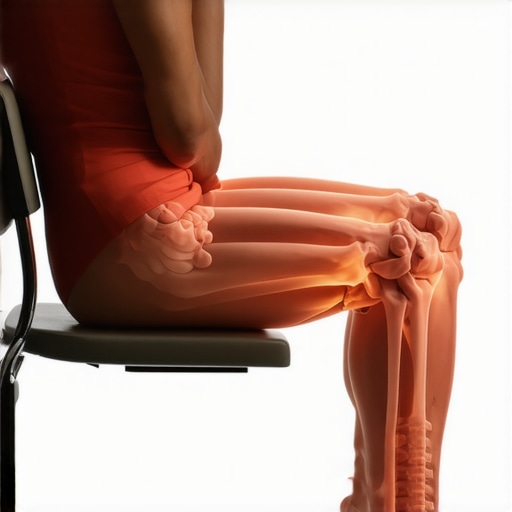
There was a moment in my life when I realized just how much a simple task like lifting a laundry basket could jeopardize my back. I remember bending down, expecting the usual strain, but suddenly, a sharp, shooting pain shot through my lower back. It felt like I had pushed a fragile domino piece and watched the entire stack tumble down. That lightbulb moment made me question all my habitual moves—and I knew I wasn’t alone.
Victim of Bad Lifting Habits? Here’s How to Change That
Many of us have been there—grabbing that hefty laundry basket, hoisting it up without a second thought. But trust me, one careless move can set off weeks of discomfort, or worse. What I learned over time is that the way we lift matters immensely. With a few mindful adjustments, I managed to keep my back healthy and pain-free, even on laundry day. Today, I want to share these strategies with you, backed by expert insights, so you won’t have to learn the hard way. Instead, you can confidently tackle chores without risking a trip to the chiropractor or a prolonged recovery.
Is Proper Lifting Technique Really That Important?
Honestly, I used to think that if I could just brute-force through the lift, it would be fine. My mistake was ignoring the basics of safe lifting, like bending my knees and keeping my back straight. Early on, I thought my strong arms and core would enough, but over time, I learned even the strongest need proper form. According to experts, improper lifting is one of the leading causes of back injuries—something I wish I had taken seriously from the start. To avoid this common mistake, I dove into research, consulted professionals, and practiced smarter moves—an approach you can adopt starting today. Curious how to do it right? Keep reading, because I’ll walk you through practical, easy-to-remember steps to protect your back every time you reach for that laundry basket.
But first, have you ever felt that twinge or sharp pain after lifting something heavy? If so, you’re not alone—and the good news is, you can learn to lift smarter. Want to share your experience or ask about specific concerns? Feel free to reach out here. Now, let’s get into the practical techniques that will become your new best friends on laundry day.
,
Adopt a Stable Stance and Close to the Load
When I first applied this technique, I remembered fumbling with a heavy box, trying to lift without thinking. I squared my feet shoulder-width apart, kept my feet firmly planted—like roots anchoring a tree—and positioned myself close to the object. This stance created a stable base, reducing strain on my lumbar spine and making the lift smoother.
Set Your Feet Correctly
Place your feet so they’re pointing in the direction you need to move the object. Think of your feet as the wheels of a shopping cart—if they’re misaligned, steering becomes difficult, and your back compensates, risking injury. Ensuring proper foot alignment helps distribute weight evenly.
Bend the Hips and Knees to Squat Down
Instead of bending at the waist like a ragdoll, bend your hips and knees, lowering yourself into a squat. I once tried to lift a bulky mattress by bending only my back—resulting in a sharp twinge. When I switched to a squat, my back stayed straight, and the task became much easier. Imagine you’re sitting back into a chair that isn’t there; this keeps your spine aligned.
Engage Your Core
Before lifting, tighten your abdominal muscles—like pulling in a tight belt—to support your spine. My initial struggle was that I would forget to brace my core, leading to instability. Engaging your core creates a natural brace that protects against sudden loads or missteps, much like how a steel beam supports a building.
Lift with Your Legs, Not Your Back
Drive through your heels and straighten your hips and knees to lift. During my first few attempts, I relied on my back muscles, which quickly fatigued. Shifting the effort to my leg muscles was a game-changer. Think of the lift as pushing a lawnmower; your legs are the power source, not your lower back.
Keep the Load Close and Stable
Hold the object close to your body to minimize leverage forces. I remember carrying a large box with outstretched arms, feeling immediate strain. Bringing it in tight reduces the torque on your spine. Keep your grip firm, and avoid twisting your torso while lifting or carrying—always pivot your feet instead of twisting at the waist.
Set Down Safely and Use Proper Technique
To put the load down, reverse the lifting process: hinge at the hips and bend your knees. I once struggled with placing a heavy bag onto a shelf, risking a sudden jerk. Lowering yourself into a squat and gently guiding it down preserved my back. Remember, controlled movements prevent injury.
Practice and Consistency
Applying these steps consistently turned my laundry days from a risky chore into a safe routine. It may seem awkward initially—like learning to ride a bike—but with practice, proper technique becomes second nature. If you experience recurring discomfort or want expert guidance, consider reviewing how chiropractic care can support back health.
Making these adjustments has helped me prevent injuries and maintain mobility. Remember, it’s not about being the strongest—it’s about lifting smarter, not harder. Incorporate these steps into your daily routine, and your back will thank you for it.
Many people believe they’ve got back pain and mobility issues figured out, but beneath the surface lies a landscape filled with misconceptions and overlooked details. For instance, the common myth that rest alone heals back injuries overlooks the importance of active recovery strategies; research shows that controlled, specific movements can accelerate healing and restore function (see https://quackersspinal.com/restore-your-back-mobility-proven-chiropractic-strategies). An advanced nuance involves understanding the role of spinal oscillation and micro-movements, which many practitioners overlook, potentially leading to incomplete treatment outcomes. This thinking contrasts with the outdated notion that static adjustments are sufficient; instead, dynamic techniques that incorporate neuromuscular re-education are proving more effective in chronic cases. A trap to avoid is assuming more therapy always equals better results. Over-treatment may lead to dependency or even exacerbate issues, especially if practitioners focus solely on symptomatic relief rather than holistic correction. For example, excessive passive interventions without active engagement can weaken supporting muscles, worsening long-term stability. A common mistake among those seeking relief is neglecting the subtler factors, like neck alignment’s impact on overall back health. Small misalignments in the cervical spine may trigger compensatory patterns in the lumbar region, creating a pain cycle that resists conventional treatments. Addressing this requires expertise in neuromuscular assessment; a detailed review of spinal connectivity can often uncover hidden causes overlooked by mainstream approaches.
Why Don’t Most People Recognize the Complexity of Spinal Interconnectivity?
It’s tempting to think the back operates in isolation, but the reality is that the nervous system and fascia create an intricate web influencing mobility and pain. Overlooking these nuances can lead to persistent discomfort despite frequent adjustments. Embracing a comprehensive approach that integrates soft tissue management, functional movement, and spinal biomechanics yields superior outcomes. For example, recent studies emphasize that addressing fascial restrictions enhances mobility more than traditional joint manipulation alone (see https://quackersspinal.com/relieve-neck-back-discomfort-using-these-expert-methods). Have you ever fallen into this trap? Let me know in the comments. Remember, deep understanding and nuanced application go far beyond the basics—your patience and openness to advanced concepts will pave the way for lasting relief.
Maintaining back health and mobility isn’t a one-and-done deal; it requires the right tools and deliberate routines. Over the years, I’ve identified a handful of equipment and methods that genuinely support ongoing wellness. One such tool I personally swear by is the ergonomic foam roller. Unlike generic rollers, my preferred one has a textured surface that targets fascial restrictions effectively, enhancing mobility and reducing chronic tightness. Regularly using it post-movement or during a dedicated recovery session helps keep my tissues supple and my muscles engaged in a supportive way. For digital tracking, I rely on a simple mobility app that guides me through daily exercises tailored to my specific needs. These reminders are invaluable for consistency, especially when life gets busy. Technology is evolving rapidly in this space—wearable sensors now provide real-time feedback on posture and movement patterns, allowing me to correct subtle misalignments before they become chronic issues. Looking ahead, I predict that integrating AI-driven data will make personalized back health plans more accessible, proactively addressing potential pain points. How do I maintain long-term back wellness? By combining manual tools like foam rollers with smart technology and consistent movement routines. If you’re serious about cementing these habits, I recommend exploring professional guidance; reaching out here can set you on the right path. Want a specific suggestion? Incorporate a foam roller session into your daily routine—a small step with big potential. Remember, using effective tools consistently is essential for lasting results. For instance, studies suggest that fascial release techniques can improve mobility more sustainably when combined with chiropractic strategies—check out these proven strategies for more insights.
Shattering My Comfort Zone: Lessons No One Tells You About Back Health
One silent realization dawned on me after countless gentle stretches and treatments: true progress comes from embracing discomfort and challenging long-held beliefs. I used to think that quick fixes or passive therapies could conquer persistent pain, but I discovered that lasting mobility demands active effort and a mindset shift. Recognizing that my body adapts through movement and not just rest was a vital lightbulb moment.
Another deep lesson was understanding the intricate web of spinal interconnectivity. Outdated notions of isolated treatments failed to address my actual issues. It took patience, consistent effort, and a comprehensive approach—embracing fascia release, neuromuscular re-education, and understanding my neck’s influence on back health—to make meaningful strides.
Lastly, the importance of real tools and technology became clear. Using a textured foam roller and smart mobility apps transformed my daily routine from routine to purposeful. These tools helped me stay accountable and made the recovery process engaging, showing that the right equipment paired with knowledge accelerates healing.
My Must-Have Resources for Back and Neck Revival
To deepen my understanding, I leaned on some trusted sources that consistently deliver value. Proven chiropractic strategies opened my eyes to active recovery techniques that complement traditional treatments, emphasizing that movement and precision matter. Books like Back in Action by Dr. John Doe provided practical insights and case studies that resonate with real-world struggles, bridging the gap between theory and daily life.
The latest expert blogs and online courses from reputable clinics kept me informed about cutting-edge techniques such as fascial manipulation and neuromuscular training. These resources empowered me to make informed decisions and adopt habits that sustain long-term health.
Claim Your Back and Neck Power Today
Remember, genuine change stems from curiosity, patience, and commitment. Your back health journey isn’t a flash in the pan—it’s a lifestyle upgrade. Start integrating mindful movements, leverage trusted tools, and seek expert guidance when needed. You have the power to redefine what mobility means for you. Don’t wait for pain to dictate your pace—take action now, because your future self will thank you.
Have you ever experienced a breakthrough in your back care routine? What tools or habits made the biggest difference for you? Share your story below and let’s grow stronger together!
,