How a Tight Psoas Muscle Pulls Your Spine Into Constant Pain
It was a typical Monday morning when I caught myself grimacing as I tried to sit up from bed. My lower back felt like a cracked, angry river—tight, stiff, and unrelenting. That lightbulb moment hit me hard: a tight psoas muscle. Suddenly, I realized my persistent pain wasn’t just bad posture or stress; it was a hidden, often overlooked muscle imbalance pulling my spine into a constant state of agony.
This revelation changed everything. I went from thinking my back was just a case of bad luck to understanding how a tiny, often neglected muscle can wreak havoc on your entire spine. And let me tell you, if you’re grappling with chronic back pain, those feelings of frustration, fatigue, and hopelessness—I’ve been there too. But here’s the good news: there’s a way out, and it starts with understanding the root of your pain.
Why Your Tight Psoas Could Be the Real Pain in Your Back
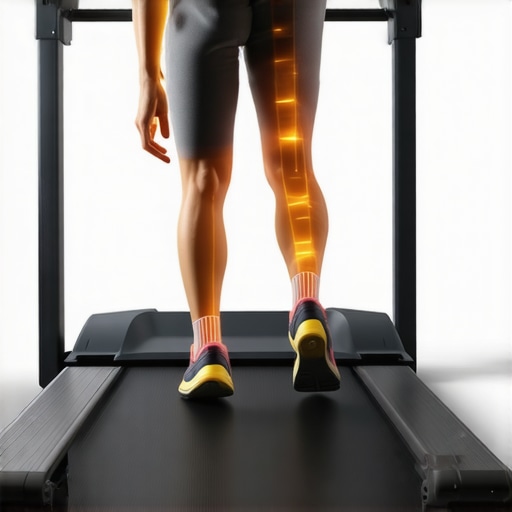
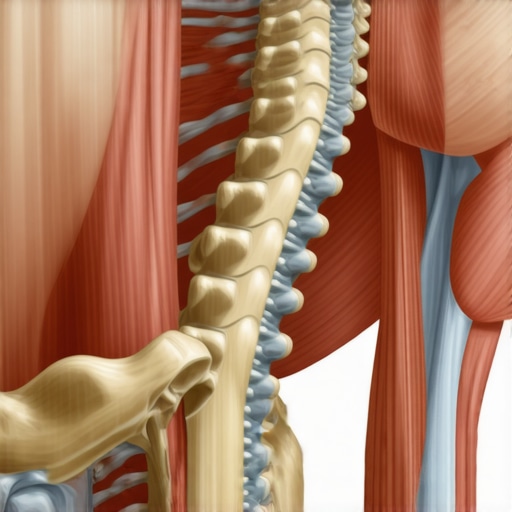
The psoas muscle, often called the ‘hip flexor,’ plays a crucial role in connecting your lumbar spine to your femur. When it’s tight or overworked, it can pull on your lumbar vertebrae, causing misalignment and ongoing discomfort. Imagine a rubber band tugging constantly on a delicate tent—eventually, everything starts to wobble and strain. That’s precisely what happens inside your body when your psoas refuses to relax.
The consequence? A perpetually irritated spine that feels stiff, sore, and resistant to relief. This muscle imbalance isn’t just about discomfort; it can limit your mobility, make everyday activities painful, and even lead to more serious issues like herniated discs if left unaddressed. Early on, I made the mistake of ignoring this sneaky muscle—thinking ibuprofen or stretching alone would solve the problem. Spoiler alert: it didn’t. Instead, I learned that releasing the psoas requires targeted, mindful action. Curious how I finally got out of that pain cycle? Keep reading, because understanding the importance of this muscle could change your life too.
Is All the Fuss About the Psoas Really Necessary?
To be honest, I was skeptical at first. I’d seen plenty of advice on stretches and exercises—surely, those would clear up my back pain. But I discovered that addressing the psoas directly was the game-changer. Failing to recognize this muscle’s role is one of the biggest mistakes many make early on, often wasting months chasing temporary fixes. If you’re tired of fleeting relief and want a real solution, understanding and releasing your psoas might be just what you need.
In my journey, I found that many of the popular advice tips miss the mark because they overlook this small but mighty muscle connection. So, if you’ve tried everything and still feel that nagging ache, I invite you to explore how a tight psoas could be silently sabotaging your efforts. Want to learn how to identify and release this muscle? Head over to this guide for effective strategies that can finally bring you lasting relief and restore your mobility.
Targeted Psoas Release Techniques
Start by lying on your back with knees bent and feet flat on the floor. Place one hand just below your navel and the other on your thigh. Gently press your lower hand into your abdomen while slowly lifting your leg, engaging your core. This helps you connect to the psoas muscle, similar to tuning a guitar string for a clear sound. I remember messing up this step initially—tugging too hard or using momentum—but with practice, I learned controlled, deliberate movements yield better results.
Using Breath to Enhance Relaxation
Focus on deep diaphragmatic breathing, filling your belly with air as you inhale and slowly exhale. Imagine your breath as a wave washing over tight muscles, calming the nervous system and aiding muscle release. During a session, I was skeptical about breath work until I consciously slowed my inhale and exhale—suddenly, the tension in my psoas softened, and I felt a noticeable difference in lower back comfort.
Stretching the Psoas for Flexibility
Move into a low lunge position with one foot forward and the other knee on the ground. Keep your hips square and gently lean forward, feeling the stretch in the front of your hip. Think of your psoas like a stretched rubber band; gentle tension helps it relax. Initially, I overarched my back to deepen the stretch—bad move. Instead, I learned to keep my pelvis neutral to prevent strain, which accelerated my progress.
Incorporating Foam Rolling
Use a foam roller or massage ball to target the side of your pelvis and abdominal area. Roll slowly over tender spots, applying just enough pressure to feel relief, not pain. This technique is similar to massaging a knot—consistent, gentle pressure helps decrease muscle tightness. Once, I spent ten minutes rolling before bed, and the next morning, I noticed my back was significantly more mobile with less discomfort.
Building Daily Habits to Keep Your Psoas Relaxed
Schedule short breaks every hour to stand, stretch, and reset your posture—think of it as watering a plant regularly to keep it healthy. A simple technique? After sitting, perform the 60-second chair stretch or a quick pelvic tilt. These micro-movements prevent the muscle from tightening up again. I integrated these into my routine after noticing how prolonged sitting would aggravate my pain, especially avoiding the trap of neglecting small adjustments that lead to big benefits.
Mindful Movement and Posture Alignment
Practice mindful movements like the pelvic tilt exercise, where you gently flatten your lower back against the floor or chair. This trains your muscles to maintain proper alignment, similar to tuning an instrument to pitch. I found that keeping a mindful awareness during daily activities—like reaching for a coffee mug—helped me avoid re-tensing the psoas unnecessarily. Small, consistent actions build lasting relief over time.
Remember, these methods aren’t about quick fixes but establishing a deliberate, consistent approach to muscle health. For comprehensive strategies, exploring resources like these proven chiropractic techniques can guide you further in restoring mobility and easing back pain effectively.
Many people believe that neck pain and back issues are primarily due to poor posture or repetitive strain, but the reality is often much more complex. A prevalent myth is that chiropractic adjustments alone can resolve chronic pain without addressing underlying muscular imbalances or neurological factors. While manipulative therapy provides relief for many, studies show that long-term success depends on understanding the root causes, such as nerve impingements or connective tissue restrictions, that aren’t always visible on the surface. For instance, a common mistake is overlooking cervical nerve compression which can mimic muscular tension, leading patients to rely solely on symptom relief rather than addressing the trigger points. An advanced misconception is assuming that mobility exercises are universally beneficial; in some cases, aggressive stretching of a stiff neck can aggravate nerve pathways if not carefully tailored, highlighting the importance of nuanced assessment. A notable question among experienced practitioners is: “How do we differentiate between structural misalignments and functional restrictions that appear similar but require distinct approaches?” Recognizing this distinction is crucial, as structural issues may need precise spinal adjustments, while functional limitations often involve soft tissue release techniques. Expert guidance from research indicates that isolated interventions without comprehensive evaluation risk missing the broader picture, ultimately prolonging recovery. By integrating knowledge from sources like the study published in the Journal of Manipulative and Physiological Therapeutics, it’s clear that a combined approach—incorporating chiropractic care, soft tissue therapy, and personalized mobility strategies—is most effective. Avoid trapping yourself in the misconception that quick fixes will provide lasting relief; instead, focus on understanding the complex, interdependent factors influencing neck and back health. Want to explore more advanced strategies? Check out how chiropractic care can truly transform your back health or these insights from wellness experts for long-term relief. Have you ever fallen into this trap? Let me know in the comments.
Keeping it Working
Once you’ve made progress with targeted exercises and adjustments, maintaining your gains requires reliable tools and consistent routines. My personal go-to equipment includes a high-density foam roller and a supportive lumbar roll. I use the foam roller daily to release tightness in my paraspinal muscles, especially after long periods of sitting. Specifically, I target the thoracolumbar fascia, which research shows plays a key role in spinal stability and mobilitysource. These small but essential tools help me keep my tissues supple and prevent regressions.
In addition, I integrate specific software that improves my posture tracking. For instance, I rely on posture correction apps like Upright, which gently remind me to readjust my shoulders and neck during the workday. This real-time feedback is proven to reinforce good habits and reduce the tendency to slump, a common culprit behind neck and upper back pain.
When it comes to mobility, I swear by a calibrated resistance band. It’s perfect for gentle strength-building and restoring muscular balance without overexerting myself. The key is controlled, mindful engagement—rapid, jerky movements can exacerbate issues. Incorporating a daily 10-minute routine that combines band exercises with breathing techniques has significantly improved my overall spinal health.
How do I maintain mobility over time?
The secret lies in consistency and evolving your routine. Regularly scheduled check-ins with a knowledgeable chiropractor or physical therapist can adapt your tools and exercises to your current needs. Plus, staying informed through trusted resources like these proven strategies ensures you’re employing evidence-based techniques. Looking ahead, the integration of wearable biofeedback devices will likely become mainstream, giving real-time insights into muscle imbalances and postural distortions—empowering you to act proactively rather than reactively.
To keep things effective, I recommend testing out a quick chair stretch each morning. It’s simple but powerful for maintaining hip flexibility and preventing lower back strain. Try it today and see how small daily habits can preserve your mobility long-term.
The Lessons Hidden in My Journey with Neck Pain
One of the most profound realizations came when I understood that most of my neck issues stemmed from small, often ignored habits—like poor ergonomic setup or holding tension unconsciously. That lightbulb moment made me re-evaluate daily routines, showing me that tiny, consistent adjustments can lead to big improvements. I learned that patience and consistency outperform quick fixes, and embracing the process is crucial for lasting relief.
Another lesson was recognizing the power of gentle, mindful movement. Rushing into aggressive stretches or exercises only worsened my discomfort. Instead, listening to my body and respecting its limits—especially with targeted soft tissue release—was the key to progress. This taught me that healing isn’t about pushing harder but about tuning in and caring for each small muscle like the psoas, which surprisingly influences the entire spine.
Lastly, I discovered that addressing neutral postures and daily habits, such as how I sit or sleep, can prevent pain from creeping back. Small changes—like adjusting my chair height or practicing deep diaphragmatic breathing—created a ripple effect of comfort. These insights confirmed that empowering yourself with knowledge and gentle practices makes a transformative difference in managing neck pain and maintaining mobility long-term.
Top Tools and Resources I Swear By
After years of trial and error, I found that certain tools truly revolutionized my approach. A high-density foam roller became my daily staple for releasing tension in the upper back and shoulders, especially near the neck. It’s reliable, portable, and offers deep tissue relief—trust me, it’s worth having one in your toolkit. For tracking and improving posture, apps like Upright provide real-time feedback, reinforcing good alignment habits that can prevent pain flare-ups.
When it comes to reading material, I recommend the book “Restore Your Back Mobility”—it offers evidence-based strategies that align with my experience and can help you understand your body better. Additionally, consulting with a qualified chiropractor or physical therapist is essential; their personalized assessments often reveal hidden causes like nerve impingements that no generic advice covers. Combining these resources creates a comprehensive, effective approach for lasting healing.
Your Next Step Toward Freedom from Neck Pain
Remember, the journey to healing neck pain and regaining mobility isn’t a quick sprint but a gentle walk. Embrace the small, consistent habits—be mindful of your posture, incorporate relaxing techniques, and trust in the process of gradual improvement. The more proactive and informed you are, the sooner you’ll reclaim your comfort and confidence. If you’re ready to dive deeper, exploring resources like how chiropractic care can transform your back health might be your next empowering move. Your future self will thank you for taking these careful, deliberate steps today.
Have you ever caught yourself tensing your neck without realizing it? Let me know your experiences below!
,