
Why stretching your back first thing in the morning is a mistake
I remember the moment clearly—waking up with that familiar stiffness in my lower back, convincing myself that a quick stretch would undo the night’s rest. I threw myself onto my feet, reaching for that classic morning bend-to-stretch routine. But instead of feeling relief, I felt a strange twinge, almost as if I had pulled a muscle. That lightbulb moment hit me—perhaps I was doing it all wrong.
Why Stretching Your Back First Thing Might Be a Mistake
As someone who’s been down the rabbit hole of back pain, I can tell you that not all stretches are created equal, especially when your body is still in its sleep mode. The truth is, rushing into back stretches immediately after waking can sometimes do more harm than good. Early on, I made the mistake of believing that movement equals relief, but experience proved otherwise. Our backs are complex, and abrupt or poorly timed stretches can stress muscles, ligaments, and discs that are still settling from the night. Instead of calming your back, you might be aggravating underlying issues, leading to longer-lasting discomfort. Today, I want to share what I’ve learned from my own ups and downs—so you don’t have to waste time or, worse, make your pain worse.
The Fix Starts Here: Better Morning Movement Strategies
Before jumping into stretches, it’s crucial to understand your body’s natural rhythm and what genuinely helps your back. Small adjustments—like gentle movements, proper breathing, and specific postures—can set a healthier tone for the day. In fact, some quick expert tips on relieving neck and back discomfort highlight the importance of controlled, mindful movement over aggressive stretching first thing in the morning. If you’re tired of waking up stiff and sore, keep reading. I’ll guide you through the most effective ways to wake up your spine safely, backed by insights from top chiropractors and wellness experts. Are you tired of feeling worse after your morning routine? You’re not alone. Many people face this exact problem, and with a few strategic adjustments, you can transform that stiffness into mobility without risking further injury. Let’s dive into the *why* and *how* of smarter morning movements that actually work.
Start With Gentle Movements
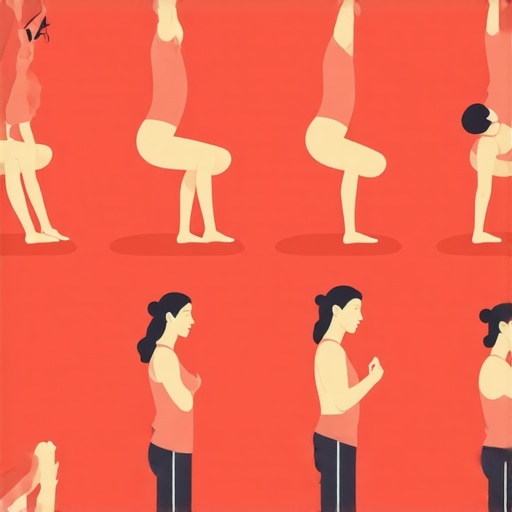
As I experienced firsthand, jumping straight into intense stretches can worsen morning stiffness. Instead, begin with slow, controlled movements. For example, sit on the edge of your bed, and gently tilt your pelvis forward and backward. This action helps reset the lower back’s position, much like adjusting the steering wheel before a long drive. Doing this for about a minute can loosen tight muscles and prepare your spine for more movement.
Incorporate Breathing to Enhance Mobility
Deep, diaphragmatic breathing activates the parasympathetic nervous system, promoting relaxation. Place one hand on your chest and the other on your stomach, inhale slowly through your nose, expanding your belly, then exhale evenly. This breathing pattern reduces tension in your back muscles and improves blood flow. During my own routine, I noticed that pairing breathwork with gentle spinal rotations significantly eased my discomfort, making subsequent stretches more effective.
Use Controlled Spine Mobilization Exercises
After grounding yourself with breathing, move to gentle spinal rotations—turning your upper body side to side while seated, keeping hips steady. Imagine your spine as a flexible garden hose; small movements prevent kinks and maintain flow. I once tried a quick series of neck nods and shoulder rolls, which surprisingly alleviated stiffness. These small actions prevent overexertion and avoid triggering discomfort.
Textured Movements to Target Specific Areas
Focus on areas prone to tightness, like the thoracic spine. Side-lying windscreen wipers—lying on your side with knees bent, then letting your top arm hug your body in a sweeping motion—are effective. Think of this as wiping away the morning stiffness, akin to clearing fog from a windshield. Incorporate this into your routine, and you’ll notice increased fluidity in your upper back.
Gradually Increase Intensity
As your back warms up, progress to more dynamic movements like cat-cow stretches—on all fours, alternate between arching your back toward the ceiling and dipping it toward the floor. This movement acts like a morning oil change for your spine, lubricating joints and easing tension. Remember, low and slow is key; rushing can undo your efforts.
Avoid Common Pitfalls That Make Back Stiffness Worse
One mistake I made early on was overextending or holding stretches for too long, which could strain muscles. Instead, aim for gentle, pain-free motions in short intervals. For persistent discomfort, it’s beneficial to consult a professional, as improper technique can exacerbate issues. For targeted advice, exploring resources like relieving neck and back discomfort can be insightful.
 Many people believe that chiropractic adjustments are solely about cracking joints or quick fixes for pain, but this oversimplification overlooks crucial nuances. While some think that once you experience relief, the problem is permanently solved, the reality is that sustained improvement involves understanding spinal health’s complex interplay with overall mobility. A common myth is that chiropractors only address symptoms, not root causes; in truth, skilled practitioners analyze postural patterns, muscular imbalances, and even neurological factors that influence pain and movement limitations. Over-reliance on quick manipulations without targeted corrective exercises can lead to relapse or new issues; research shows that comprehensive chiropractic approaches yield better long-term results than isolated adjustments (see [chiropractic secrets to regain mobility](https://quackersspinal.com/chiropractic-secrets-to-boost-neck-comfort-and-function)). Beware the trap of assuming that all back or neck pain is mechanical; underlying issues like inflammation or nerve impingement require a nuanced assessment, not just a manual fix. Advanced cases often involve misconceptions about the safety of manipulation, mistakenly viewed as risky; however, when performed by trained professionals, these adjustments are safe and effective, promoting better fluidity and reducing stiffness. If you’re considering chiropractic care, ask your practitioner about their approach to addressing the underlying causes, not just symptom relief. Remember, true mobility improvement harmonizes joint health, muscular strength, and neurological function—this holistic view is where many fall short if they rely solely on popular myths. Have you ever fallen into this trap? Let me know in the comments.When it comes to maintaining your spinal health, having the right tools can make all the difference. Personally, I swear by a high-quality foam roller, a tennis ball, and a set of resistance bands. The foam roller helps release myofascial tension along my back and hips, which I’ve found essential after long periods of sitting or intense activity. I prefer a dense, textured foam roller because it provides targeted pressure without being too harsh, allowing me to work out stubborn knots safely. For deeper relief, I use a tennis ball against specific trigger points; this small, inexpensive tool can be pressed into tight spots that often hold pain or restricted movement, especially in the piriformis or upper back. Resistance bands are invaluable for active mobility drills—like shoulder rotations or thoracic extensions—that strengthen stabilizing muscles and improve overall flexibility. I incorporate these into my daily routine to sustain the benefits of chiropractic adjustments and prevent setbacks. Looking ahead, I predict that wearable technology will become increasingly integrated into spinal health. Devices capable of monitoring posture in real-time or guiding correct movements could revolutionize long-term maintenance, making personalized care more accessible. How do I keep my progress consistent? I schedule weekly self-care sessions, using my tools diligently and tracking improvements in mobility and pain levels. Regular use of these tools compliments professional treatments and enhances their effects, ensuring my spine remains resilient over time. For a deeper understanding of how to optimize these approaches, check out these expert-backed chiropractic hacks. Believe me, integrating targeted tools like foam rollers and trigger point balls isn’t just for recovery—they’re essential for proactive maintenance. Try incorporating a 10-minute mobility routine with your foam roller and tennis ball this week. It’s a simple step toward more sustained back and neck health, keeping you active and pain-free longer.
The Hard-Earned Truth About Early Movement Lessons
One of the most profound lessons I learned is that patience with your body’s natural pace can dramatically alter recovery outcomes. Trying to force movement too soon often backfires, leading to setbacks rather than progress. Trusting gentle progression, rather than aggressive stretching, has been a game-changer in my back health journey, emphasizing that sustainable mobility stems from consistency and listening to your body’s signals.
Tools That Turn Routine Into Transformation
Over the years, I’ve curated a personal toolkit that includes a foam roller, tennis ball, and resistance bands—each playing a pivotal role in my ongoing back health. These tools have helped me target stubborn knots and maintain flexibility, proving that investing in quality, versatile equipment enhances long-term results. I recommend exploring resources like chiropractic hacks for sustained mobility to find the perfect fit for your routine.
Your Path to Resilient Spinal Health Starts Today
Remember, the journey toward better back mobility isn’t a race but a continuous process of mindful movements and proactive care. Small, consistent efforts can lead to profound, lasting change. Embrace the idea that your spine is an active partner in your daily life—nurture it, and it will support you for years to come. Are you ready to take that first step toward a more mobile, pain-free life? Let’s begin now.