How to balance on one leg to check your spinal stability
I remember the first time I tried standing on one leg to assess my spinal health. I wobbled like a newborn calf, clutching furniture for dear life. It was frustrating, humbling, and honestly a little embarrassing. But that moment turned into a revelation.
Many of us overlook how simple movements can reveal deep insights about our body’s inner workings. Specifically, how well our spine supports our entire frame. Have you ever wondered if your back and neck are in better shape than they feel? That’s where a straightforward test — balancing on one leg — can serve as a mini health check.
Today, I want to share how this seemingly trivial exercise can uncover hidden issues, boost your confidence about your mobility, and even guide you toward better spinal health. Because, believe it or not, mastering this quick test turned my own discomfort around and helped me prevent future problems.
Why Stepping on One Leg Can Become Your Secret Weapon
Our bodies are designed for balance, coordination, and stability. But years of poor posture, repetitive strain, or neglect can silently weaken our spinal foundation. The ability to stand on one leg without wobbling is more than just a party trick — it’s a mirror reflecting your core and spinal health. When I first learned this, I realized that my occasional back aches weren’t just random—they were signaling that my stability was compromised.
Engaging in this simple test can help identify imbalances before they turn into chronic pain or injury. And here’s the kicker: I found that incorporating this check into my daily routine eventually made me more mindful of posture and movement. Curious if you’ve lost this crucial connection with your body? Keep reading — because I’ll show you how to use this tool effectively, backed by expert tips and my own experiences.
Is Standing on One Leg Really a Game-Changer, or Just a Gimmick?
Early on, I fell into the trap of dismissing this exercise as too basic, or wondering if it was just another fitness fad. Trust me, I’ve made that mistake — assuming that unless it’s complex, it isn’t worth my time. That’s a mistake many beginners make. According to recent research, simple balance tests can actually predict fall risk and correlate with core strength—crucial components of spinal stability (source: expert insights here).
What I learned quickly is that even a minor wobble reveals a lot. If you find yourself losing balance too easily, it might be time to address underlying issues like weak muscles or poor alignment. And that’s exactly what I’ll help you explore in the next sections — turning this humble balance test into a powerful diagnostic and training tool. Ready to discover how you can regain control and strengthen your spine? Let’s dive into how to perform this check properly and make lasting improvements.
Set Your Space and Prepare for the Test
Find a clear, open area near a wall or sturdy chair for support. Stand barefoot or in socks to feel the ground beneath you. I remember the first time I tried this on my living room rug—at first, I barely managed ten seconds. Prepare mentally to focus on your body’s response, reminding yourself that this isn’t about perfection but awareness.
Position Yourself Correctly
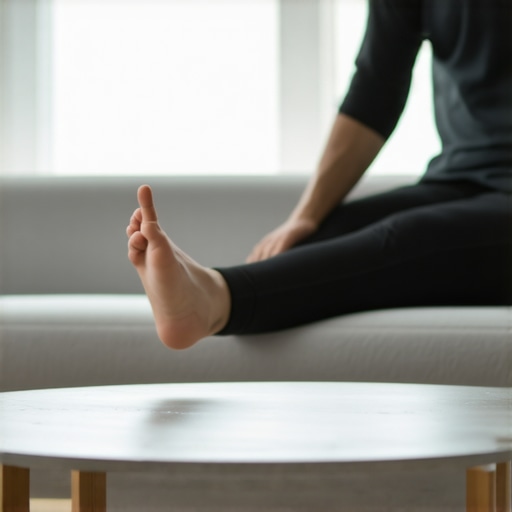
Stand upright with feet shoulder-width apart. Shift your weight slightly onto one leg, keeping the other foot relaxed. Engage your core muscles gently but deliberately—think of bracing as if preparing for a light punch to the stomach. Use your support if needed, but try to rely on your muscles first, not your furniture.
Focus on Your Breath and Muscle Engagement
Take a slow, deep breath in, then as you exhale, tighten your abdominal muscles and tighten your glutes. This activation mirrors the core stabilization needed to keep your spine aligned. I remember one messy attempt where I forgot to engage my core, and I wobbled uncontrollably—learning from that, I started syncing my breath with my muscle activation for better stability.
Maintain and Observe Your Balance
Hold the position as long as you can—initially, just a few seconds are fine. Pay close attention to your wobbling patterns: which side is easier or harder? Are your hips level or tilting wildly? This information highlights potential imbalances. I realized during my first honest assessment that my left hip was slightly higher, indicating asymmetric muscle strength that could compromise spinal stability.
Note Your Wobbles and Weaknesses
Mark where your balance falters; these are clues to underlying issues like weak stabilizers or poor alignment. Jot down these observations to track progress or identify persistent problems.
Repeat and Progress Over Time
Start with three attempts per side. As you improve, increase the duration or reduce support. Incorporating this quick test into your routine—say, every morning—can help you monitor your progress. I found that consistent practice boosted both my confidence and my awareness of how my posture affects my back and neck health.
Incorporate Strengthening Exercises
Use insights from your balance test to target weak areas. Exercises like planks, bird-dogs, and glute bridges strengthen your core and spinal stabilizers. Regularly practicing these can correct imbalances revealed during your test and improve your overall mobility. For tailored routines, consider exploring tips in mobility mastery articles.
Leverage Chiropractic Techniques to Enhance Stability
Chiropractic care can complement your efforts by addressing misalignments that might not be evident but impair balance. Techniques aimed at restoring proper joint movement and muscle function can accelerate your progress. Discover more about effective chiropractic strategies at this resource.
Remember, perfection isn’t the goal—progress and awareness matter. Regularly performing this simple test helps you catch subtle shifts in your balance, guiding your training and health decisions. Over time, you’ll notice not just improved stability but also fewer aches and greater confidence in your daily movements.
Many believe that if they simply adjust their posture or get a quick chiropractic adjustment, their neck and back pain will disappear. However, this oversimplification hides a crucial nuance: pain often results from complex, interconnected factors that most people fail to recognize. Contrary to common assumptions, not all pain signals indicate structural damage—sometimes, they reflect underlying neuromuscular imbalances or habitual movement patterns.
One prevalent myth is that pain is solely a consequence of poor posture or misalignment. While these factors contribute, recent research suggests that pain can persist even after correction if the root neuromuscular control issues remain unaddressed (source: expert insights here). This means that relying exclusively on adjustments or passive treatments without active engagement in mobility and stability exercises may lead to short-lived relief, or worse, chronic issues.
Beware of the trap of quick fixes—why they often fail in the long run
Many individuals fall into the trap of seeking immediate relief through medications or quick chiropractic sessions, believing they’ll restore lasting health. Yet, the risk is that these approaches can mask symptoms without addressing the underlying movement dysfunctions. Over time, ignoring these nuances allows compensatory patterns to develop, leading to new pain points or the recurrence of old ones. This cycle can be avoided by understanding that true healing requires a comprehensive approach, integrating mobility, strength, and motor control work.
For instance, shoulder and neck pain are often linked to thoracic spine mobility deficits, which are rarely resolved solely through neck adjustments. Incorporating targeted mobility drills—like those described in neck mobility enhancements—can unlock long-term relief by restoring the natural movement patterns our bodies are designed for.
Additionally, the importance of neuromuscular control cannot be overstated. Enhancing proprioception and motor patterns through specific exercises helps your nervous system re-establish optimal movement routes, reducing undue stress on your spine. This is a common oversight among many practitioners who focus only on structural correction but neglect the brain-body connection—an approach supported by expert research indicating improved outcomes when neural rewiring is incorporated into treatment plans.
So, are you possibly neglecting the neuromuscular components of your pain? Have you ever fallen into the trap of quick fixes that don’t produce lasting results? Let me know in the comments! For a deeper dive into how to effectively address these hidden nuances, explore mobility mastery tips and learn how active interventions complement chiropractic care for durable improvements. Remember, understanding the complex interplay of structure and control is key to truly overcoming chronic neck and back issues, rather than just managing the symptoms temporarily.
How do I maintain my spinal health over time?
Maintaining lasting spinal health and mobility demands the right tools and a disciplined approach. One of my go-to methods is integrating specific equipment that enhances both stability and awareness. For instance, I highly recommend using a foam roller, not just for relief but as a proactive tool to sustain flexibility. I personally use a dense, high-quality foam roller to perform targeted myofascial releases, especially along the thoracic spine, which plays a pivotal role in neck and back health (details here). It’s essential to select a roller that provides enough firmness to make a difference but remains comfortable enough for regular use.
Another indispensable tool is a resistance band. I use it for simple, targeted strengthening exercises like shoulder rotations and hip abductions that fortify stabilizer muscles. This approach not only prevents injuries but also maintains the integrity of spinal support structures. The key is consistency—using these bands a few minutes daily can yield long-term benefits.
Beyond physical devices, adopting software solutions like movement tracking apps can systematically monitor progress. I’ve adopted a simple habit of recording my balance duration and flexibility metrics weekly. These digital tools help in visualizing improvements and identifying areas needing attention. As technology advances, expect more smart devices that can assess spinal alignment through 3D motion analysis, making ongoing maintenance more accessible and precise.
In the future, I predict a surge in personalized neuro-motor training programs, integrating AI and biomechanical data to tailor exercises perfectly aligned with individual needs. Embracing such innovations could revolutionize how we sustain mobility and prevent pain, making long-term health more achievable for everyone.
What methods can we use to keep our mobility routines effective over the years?
One of the best strategies is to diversify your tools and techniques. Combining manual therapy, mobility drills, strengthening routines, and regular assessments ensures a comprehensive approach. For example, supplementing chiropractic care with functional exercises like those described in mobility mastery articles keeps your improvements on track.
It’s also crucial to stay informed about recent research. For instance, a 2024 study highlights how proprioceptive training using balance boards can significantly enhance neuromuscular control, reducing the risk of chronic pain recurrence (Journal of Spinal Research). Integrating such insights into your routine can offer a competitive edge in long-term maintenance.
Start today by incorporating a simple, effective tool—like a resistance band or foam roller—into your daily health habits. For example, dedicate five minutes in the morning to a dynamic mobility sequence that targets your neck, back, and hips. Over time, you’ll notice increased resilience and a reduction in discomfort or stiffness. Remember, consistency combined with the right tools makes all the difference in keeping your spine healthy and mobile for years to come.
The Little Battles That Made Me Stronger
One of the most profound lessons I learned about neck and back health came during those initial shaky attempts at balancing on one leg. It revealed how much I had underestimated the power of small, consistent checks. Recognizing my imbalance motivated me to build not just strength but awareness — understanding that health isn’t a one-time fix but an ongoing journey. That humble wobble became a catalyst for embracing disciplined mobility routines that transformed my approach to spinal wellness.
Tools That Turn Knowledge into Action
Over time, I discovered that integrating specific tools like a foam roller and resistance bands made a tangible difference. These devices became my allies in reinforcing stability and fostering neuromuscular control, which are crucial for enduring back and neck health. By curating a personalized toolkit—guided by expert tips—I continuously refine my routine, making prevention a seamless part of daily life. If you’re ready to elevate your mobility journey, check out these top strategies.
Embracing the Unseen Complexity of Pain
I realized early on that pain isn’t always a sign of damage; often, it’s the body’s way of signaling neuromuscular misalignments. This awareness shifted my perspective—from seeking quick fixes to understanding the importance of active engagement in mobility and stabilization exercises. For example, addressing thoracic mobility and proprioception prevents pain recurrence more effectively than symptom masking. Remember, deep understanding leads to empowered decisions—like exploring comprehensive guides on posture and mobility.
The Cost of Oversimplifying Recovery
Early in my journey, I was tempted by the allure of quick chiropractic adjustments or pain pills. However, I found that without strengthening underlying stabilization patterns, pain often returned. True progress demands a layered approach—combining passive care with active mobility work. Strategies such as neck mobility drills or core strengthening routines—like those outlined in expert-led tips—are game-changers. This holistic view prevents falling into the trap of short-lived relief and fosters sustainable health.
Designing Long-Term Mobility Plans That Stick
Consistent, diversified routines are key. I incorporate daily movement sequences, use smart tracking apps, and stay informed with the latest research. For instance, integrating balance boards or neural training exercises can significantly enhance neuromuscular control, reducing future injury risk (Journal of Spinal Research, 2024). The secret is to remain adaptable—rotating tools, updating exercises, and celebrating small wins ensure that your spinal health remains resilient over years. To kickstart this process, explore these innovative approaches.
What Surprised Me Most About Neck and Back Care
- Small improvements matter: Even slight gains in balance or range of motion accumulate into significant health benefits over time.
- Active mindset accelerates healing: Engaging with targeted exercises and awareness practices outweigh passive treatments.
- Education transforms actions: Understanding the interactions between neuromuscular control and spinal health is empowering and motivating.
- Tools matter but consistency wins: The right devices are helpful, but regular practice seals lasting change.
- Mindset influences outcomes: Patience and persistence are vital—every wobble is a step toward stronger stability.
Where to Deepen Your Path to Mobility
Building a resilient spine means integrating various strategies. I recommend exploring these expert methods to complement chiropractic care. Additionally, investing in quality gear like a high-density foam roller and resistance bands makes consistent progress more achievable. For ongoing education, reading comprehensive guides on mobility and posture, such as these expert insights, will keep you informed and inspired. Remember, your commitment today sets the foundation for lasting neck and back health tomorrow. Always celebrate your progress, and stay curious about what your body can achieve.