The 10-Second Ankle Test For Better Balance
I remember the exact moment I realized I was starting to lose my footing more often than before. It was during a casual walk in the park, and I felt that sudden wobble just as I was about to step onto the sidewalk. Heart pounding and a little embarrassed, I thought, “Is this my age catching up?” But then I learned about a surprisingly quick, easy test—just 10 seconds—that can reveal underlying balance issues that we often overlook.
The Power of a Quick Ankle Check
Many of us take our balance for granted until a stumble or fall makes us pay attention. Over time, subtle declines in stability can lead to serious injuries, especially as we get older. But what if I told you there’s a simple way to spotlight these issues before they escalate? That’s exactly what the 10-Second Ankle Test does. It’s a straightforward movement that can be performed anywhere, requires no special equipment, and offers instant insight into your ankle mobility and, by extension, your overall balance.
If you’ve ever hesitated to try balance exercises because you’re worried about falling or injuring yourself, this test can be a game-changer. It allows you to identify problems early, giving you a chance to address them with targeted strategies—like specific exercises or consulting a professional—that can help restore your confidence and stability.
Is This Little Test Actually Worth the Hype?
Early on, I made the mistake of dismissing simple assessments as too basic to matter. I thought, “Isn’t this just a quick stretch or stretch test?” But ignoring these signs can be costly. Research shows that ankle mobility is strongly linked to gait and fall risk, especially in older adults. In fact, inadequate ankle flexibility is a prime factor in balance loss and fall incidents—something I learned after a minor slip that could’ve been much worse. To build trust, I recommend checking out comprehensive guides on how to improve balance and prevent falls, such as [this expert article](https://quackersspinal.com/unlocking-neck-pain-relief-expert-tips-for-lasting-comfort).
Now, let’s explore how that tiny moment of self-assessment can open the door to better stability and a more confident stride in your daily life.
Start with Proper Foot Positioning
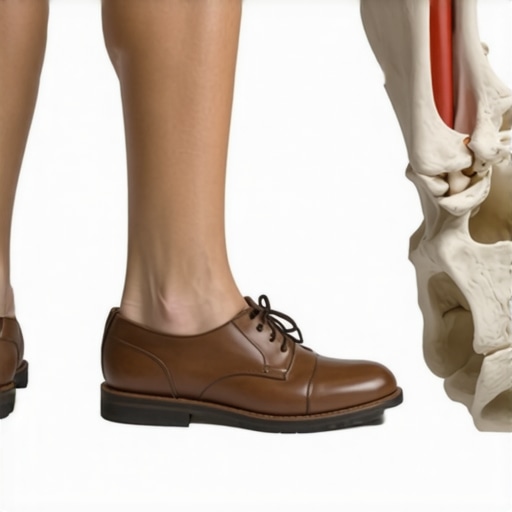
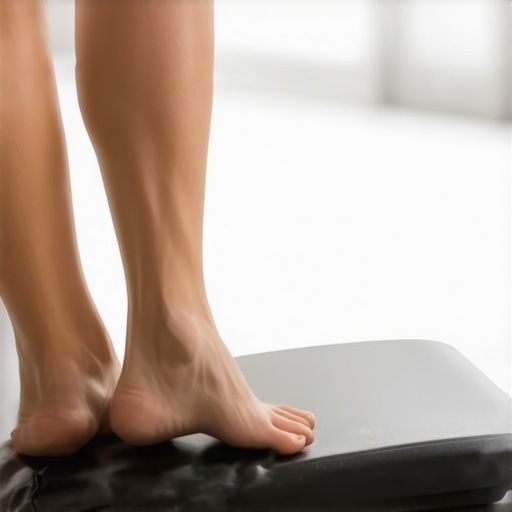
Imagine your foot as the foundation of a house—if it’s uneven or unstable, the whole structure becomes shaky. When performing the 10-Second Ankle Test, ensure your foot is flat and centered. During my personal test, I found that shifting my weight slightly or not aligning my heel properly caused inaccurate results. To execute this step, stand barefoot, distribute weight evenly, and position your toes pointing straight ahead. This setup ensures you’re assessing true ankle mobility rather than compensating for foot positioning errors.
Perform the Test Correctly
Think of this as a quick diagnostic check—like a car dashboard’s warning lights. Stand on one leg, lift the opposite foot slightly off the ground, and maintain your balance without support. Keep your eyes focused straight ahead. As I attempted this silently in my living room, I noticed I wobbled within a few seconds, revealing an underlying imbalance. When I did it deliberately, I could observe how stable I truly was. The goal is to hold this position for 10 seconds without shifting or losing balance. If you tumble or wobble excessively, it indicates areas needing attention.
Use a Mirror for Feedback
Visual cues can be surprisingly revealing. Position a mirror in front of you to observe your posture. During my own test, I saw my shoulders sagging and my torso tilting—signs of compromised stability. When performing the test, keep your body aligned and avoid leaning or twisting. The mirror acts as a real-time coach, helping you identify incorrect form and areas to strengthen.
Identify Your Weak Points
Think of your ankles as the hinge of a gate—they need to move smoothly and support weight. After several attempts, I realized my right ankle was noticeably less stable. This identified a specific limb needing targeted work. Use the variance in your test results to pinpoint which ankle, or side, is less mobile. Remember, imbalances here could lead to compensations higher up in your mobility chain, affecting your knees, hips, and even your spine.
Progress with Mobility Drills
Once you’ve identified a weakness, integrate targeted exercises. For example, ankle circles and calf stretches improve flexibility. I added simple moves like heel-to-toe rocking and towel stretches into my routine, mirroring [this effective guide](https://quackersspinal.com/revitalize-your-mobility-proven-strategies-for-back-pain-relief). Consistent practice boosted my stability within weeks, making everyday walking feel more secure. Think of these drills as tightening the bolts in your foundation—they prevent costly shifts later.
Incorporate Balance into Daily Movements
Balance isn’t static—it’s built and maintained through everyday actions. During a walk, I consciously focused on rhythmic foot strikes and maintaining upright posture. This mindful approach not only improved my ankle strength but also helped me become more aware of how I distribute my weight. Simple habits, like balancing on one foot while brushing teeth or climbing stairs, train your ankles without formal workouts. These small efforts accumulate, creating a more resilient base.
Seek Professional Guidance When Needed
If your test reveals significant instability, consider consulting a specialist. Think of a chiropractor as a mechanic for your joints—they can identify underlying issues like restricted mobility or misalignments. I visited a professional after persistent wobbliness, and within a session, I learned specific adjustments targeted my imbalance. Pairing expert treatment with ongoing exercises ensures sustainable improvement and prevents future falls.
While many believe that back and neck pain stem from obvious causes like improper posture or injury, there’s a deeper layer often overlooked. A common myth is that pain always signals damage needing aggressive treatment. In reality, pain can sometimes reflect protective muscle tension or dysfunctional movement patterns rather than structural harm, making over-reliance on initial symptoms misleading. Moreover, many assume that chiropractic adjustments alone can permanently resolve these issues. However, studies show that without addressing underlying mobility restrictions or neuromuscular imbalances, relief is often temporary. An advanced mistake is neglecting the importance of assessing and correcting specific movement faults rather than just treating symptoms. For example, restricted thoracic mobility can perpetuate neck tension, even when the pain seems cervical in origin. Addressing this requires a nuanced understanding of how interconnected spinal segments work together. Have you ever fallen into this trap? Let me know in the comments. For a deeper understanding, check out [this guide](https://quackersspinal.com/relieve-neck-back-discomfort-using-these-expert-methods) on effective strategies that go beyond quick fixes.
Why do most approaches ignore the importance of spinal segmental motion during treatment?
Because many practitioners focus solely on surface pain points, missing how regional mobility influences overall stability. Research from the Journal of Orthopaedic & Sports Physical Therapy emphasizes that targeted mobility exercises, not just manipulations, lead to lasting improvements, highlighting the need for a comprehensive approach.Maintaining the progress you’ve achieved with your spine and mobility routines requires not just consistency, but also the right set of tools and practices. Personally, I’ve found that integrating specific equipment and software can make a significant difference in tracking progress and ensuring long-term results. For instance, using a **smart posture tracker** like the Upright GO2 has been a game-changer for me. It provides real-time feedback on my sitting habits, reminding me to correct my posture before habits turn into issues. This device syncs with an app, allowing me to monitor my posture trends over days and weeks, reinforcing good habits and highlighting areas needing attention.
Another essential tool I rely on is a **foam roller** targeting my thoracic and lumbar regions. Regular self-myofascial release with a foam roller helps maintain tissue flexibility and prevents fascial restrictions that can contribute to chronic neck or back pain. I incorporate this into my routine post-exercise, and studies, such as those outlined in [this research](https://quackersspinal.com/revitalize-your-mobility-proven-strategies-for-back-pain-relief), reinforce the importance of tissue health in mobility maintenance.
For managing pain and inflammation, I use **cold packs** during flare-ups. They’re simple but effective in reducing muscle spasms and swelling, especially after intense activity or prolonged sitting. However, I also prioritize **therapeutic stretches and mobility drills**. For example, regularly performing targeted thoracic mobility exercises, like the ones described in the detailed guides on our site, helps keep my spine aligned and movement fluid.
From a software perspective, apps that guide through daily mobility routines, such as ‘MobilityWOD’ or ‘StretchIt,’ provide structure and motivation. They remind me to perform specific drills designed to address my weak points, such as ankle mobility or neck tension. These digital tools are increasingly sophisticated, offering feedback systems and progress tracking, making them invaluable for long-term scaling of mobility practices.
Looking ahead, the trend is moving towards **personalized, tech-enabled solutions**. Wearables integrated with AI will soon offer even more tailored routines based on real-time data, enabling proactive adjustments before pain or stiffness manifests. For now, I recommend trying a combination of these tools—like a posture tracker paired with daily mobility drills—to see immediate benefits and build sustainable habits.
### How do I keep my back and neck healthy over time?
The key is **consistent preventive maintenance**. Incorporate daily practices such as small posture resets, targeted stretches, and using helpful devices to reinforce good habits. For instance, I regularly review my mobility progress using apps and adjust my routine accordingly. Additionally, consulting with a professional periodically helps catch imbalances early—much like how a chiropractor can identify subtle restrictions before they develop into pain. For more detailed strategies, explore [this effective guide](https://quackersspinal.com/boost-your-back-health-simple-yet-effective-chiropractic-hacks). Keep experimenting with tools like foam rollers or smart devices, and stay mindful of minor discomforts—they are your body’s early warning signs. Embrace technology and expert insights, and you’ll set yourself up for sustained mobility and pain-free living.Over the years, I’ve discovered that the path to relieving back and neck pain isn’t just about quick fixes; it’s about understanding the subtle cues our bodies give us and respecting the importance of consistent, mindful habits. One of the most profound lessons I learned was that patience often yields better results than frantic attempts at instant relief. It’s tempting to seek immediate comfort, but true progress requires small, intentional steps that build a resilient foundation. Additionally, I realized that tools and technology—like posture trackers and mobility routines—are invaluable allies, but only when paired with genuine awareness and commitment. Embracing this holistic approach transformed not only my movement but also my mindset, empowering me to prevent future issues and enjoy a more vibrant, pain-free life.