How to setup your workspace to stop the 3 PM headache
It was a regular Wednesday afternoon when I realized I wasn’t just tired—I was headachy, annoyed, and unproductive, all within the span of an hour. I’d been sitting at my desk, battling that relentless 3 PM slump, when suddenly my neck clenched up, and a pounding headache set in. That lightbulb moment hit me: my workspace was secretly sabotaging my day.
Why Your Workspace Might Be Causing More Than Just Discomfort
For years, I brushed off postural issues and ergonomic tweaks as unnecessary fuss. I thought, “As long as the computer screen is at eye level, I’m good.” But I was ignoring a deeper problem—how my entire setup could be contributing to those stubborn headaches and midday fatigue. Studies show that poor ergonomics can lead to increased muscular tension, which in turn triggers headaches and decreases productivity (source: https://quackersspinal.com/neck-pain-no-more-expert-chiropractic-solutions-that-work).
Early on, I made a crucial mistake—overlooking the importance of natural movement and sufficient back support. Instead, I sat for hours hunched over a non-adjustable desk, with a soft pillow for my lumbar and a screen that was slightly too low. It’s no wonder my neck was stiffening, and my shoulders were creeping up in stress. The fix wasn’t just about buying a fancy chair or adjusting my monitor. It was about understanding that the way I set up my workspace directly affected my spinal health and overall well-being.
So, what can we do? How do we make small changes that yield big results? That’s exactly what I’ll cover next—simple yet effective tweaks to your workspace that can eliminate the 3 PM headache and keep you energized all day long. Are you tired of feeling this way every afternoon? If so, let me walk you through the proven strategies that transformed my daily routine.
Adjust Your Chair for Proper Support
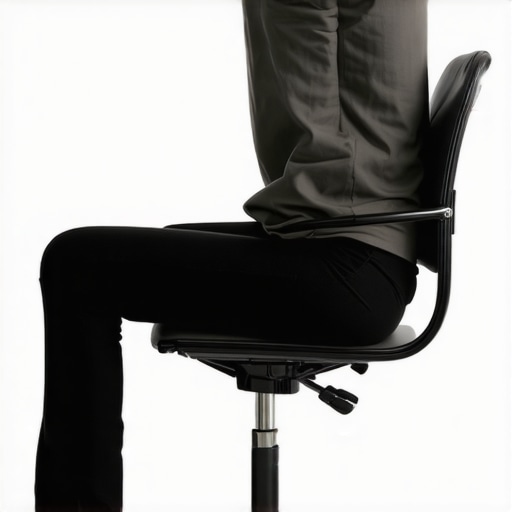
Start by setting your chair height so your feet are flat on the floor and your knees are at a 90-degree angle. Use a firm, supportive cushion if your chair lacks lumbar support. This alignment reduces strain on your lower back and neck, preventing muscle tension that leads to headaches.
Position Your Monitor Correctly
Place your monitor at eye level, about an arm’s length away. This prevents you from tilting your head up or down, a common cause of cervical strain. I once spent a day adjusting my monitor height and noticed immediate relief from neck stiffness, illustrating the importance of proper visual ergonomics.
Use an adjustable monitor stand or stack books beneath your screen to achieve optimal height.
Keep Frequently Used Items Within Reach
Rearrange your workspace to avoid excessive reaching or twisting. For example, keep your phone, notepads, and keyboard within easy reach. This minimizes unnecessary movements that can strain your shoulders and neck over time.
Incorporate Movement Breaks
Set a timer to remind yourself to stand and stretch every 30 minutes. Even simple neck rolls and shoulder shrugs can combat stiffness and improve mobility. During one hectic project, I incorporated mini-breaks, which significantly reduced my postures that caused tension.
Stretch and Strengthen Regularly
Integrate targeted exercises into your daily routine. The Neck Pain No More program offers effective stretches that can alleviate chronic discomfort. Maintaining flexibility in your neck and shoulders prevents issues from escalating.
Maintain Good Posture Throughout the Day
Be mindful of how you sit and stand. Keep your ears aligned over your shoulders and your shoulders over your hips. It’s easy to slouch, but regular checks—like imagining a string pulling your head upward—can help you stay aligned. I caught myself slouching during a long meeting and corrected it, which immediately reduced my neck ache.
Seek Professional Guidance When Needed
If persistent pain occurs despite these adjustments, consider consulting a chiropractor. They can identify subtle misalignments that contribute to ongoing discomfort. For more insights, visit Overcoming Chronic Neck Discomfort.
Many people believe that chronic neck and back pain stem solely from injury or poor posture, but the reality is far more nuanced. A pervasive misconception is that pain in these areas always indicates structural damage requiring invasive treatment. In truth, *most cases involve neurological and muscular factors* that can be effectively addressed through targeted chiropractic care. Relying solely on imaging to diagnose pain often leads to unnecessary interventions, as studies show that structural abnormalities are common even in asymptomatic individuals (source: https://quackersspinal.com/neck-pain-no-more-expert-chiropractic-solutions-that-work).
Another common myth is that once pain subsides, the underlying issues are permanently fixed. This thinking can lead to a false sense of security and neglect ongoing habits that maintain spinal health. Regular mobility, strength exercises, and ergonomic adjustments are essential for long-term relief. It’s also important to recognize that pain patterns often have *hidden causes*, such as subtle misalignments or compensatory movement patterns, which broad-spectrum treatments overlook.
Beware of the trap of quick fixes—like self-medicating with painkillers or excessive stretching—that may temporarily dull discomfort but do little to resolve the root problem. Over-stretching can sometimes worsen symptoms by irritating already inflamed tissues. Instead, integrating chiropractic adjustments with specialized mobility protocols can address these nuances effectively. For example, targeted chiropractic care can realign the vertebrae subtly but significantly, restoring proper nerve function and muscle balance. You can discover effective strategies tailored to your needs by visiting this resource on improving mobility naturally.
One advanced mistake many make is neglecting the importance of *neuromuscular connections* in spinal health. The nervous system tightly governs muscular response and joint stability, so addressing these connections is critical for sustainable relief. Techniques like nerve gliding, as explained in Neck Pain No More, can significantly reduce nerve irritation without invasive procedures.
**What about the role of lifestyle choices in spinal health?** Poor sleep, diet, and chronic stress can subtly undermine even the best chiropractic interventions. Recognizing and modifying these factors forms an essential part of an advanced approach. Regular reassessment and customized adjustments ensure lasting results—your spine’s health should evolve with your life.
In summary, moving beyond superficial fixes and understanding the complex, multi-layered nature of neck and back pain empowers you to make informed decisions. Think of your spine as a finely tuned instrument—when even one string is off, the whole melody suffers. Honestly engaging with expert guidance can be the game-changer. Ready to dig deeper? Contact us today and elevate your spinal health to the next level.Maintaining spinal health demands more than just good posture—it requires the right tools and consistent habits. One of my favorite go-to devices is a high-density foam roller, specifically one like the Rumble Foam Roll. I personally use it daily to release muscle tightness in my back and shoulders, which helps prevent long-term stiffness and pain. Its textured surface provides targeted pressure, making my self-myofascial release sessions both effective and comfortable. Regular use of such rollers can increase mobility and reduce trigger points—a cornerstone in sustaining long-term relief (discover more here). For more precise, neuro-muscular benefits, I recommend adding nerve gliding exercises into your routine. These exercises, which I incorporate several times a week, help keep nerves from becoming pinched or irritated, promoting better movement and reducing sciatic discomfort. Investing in a strap or resistance band can facilitate these movements, making them more controlled and effective. Over the next year, I see technology evolving to provide real-time posture feedback via smart devices, enabling even better self-awareness. Currently, smartphone apps and wearable sensors are improving, but integrating them into daily chiropractic routines will likely become standard practice. How do I keep my progress sustainable? I make it a habit to schedule weekly check-ins with my chiropractor, not just for adjustments but for tailored advice on tool usage and mobility strategies. These sessions help me refine my self-care program, ensuring my spine remains resilient as I age. For anyone wondering, a simple yet powerful tip is to incorporate daily mobility routines, like the ‘2-minute morning spine unlock’ from our core chiropractic strategies. Give that a try tonight—small steps can compound into significant long-term gains. Remember, consistency is key, and having the right tools makes the journey smoother.Overcoming neck and back pain requires more than just temporary relief—it’s about understanding the deeper connections in our spinal health. Through my experience, I’ve learned that consistent habits, professional guidance, and the right tools are essential for true improvement. Remember, every small adjustment, like proper ergonomics or targeted stretches, builds towards lasting well-being. Don’t settle for quick fixes; invest in your long-term mobility and comfort. Your spine deserves dedicated care and attention, and with the right approach, relief is truly achievable. Keep pushing forward—your healthier, pain-free life is within reach. If you’ve ever felt overwhelmed by persistent pain, know that there’s a personalized path to recovery waiting for you. Seek expert advice, stay consistent, and trust in the process of healing. Your journey to a stronger, more resilient spine begins today.