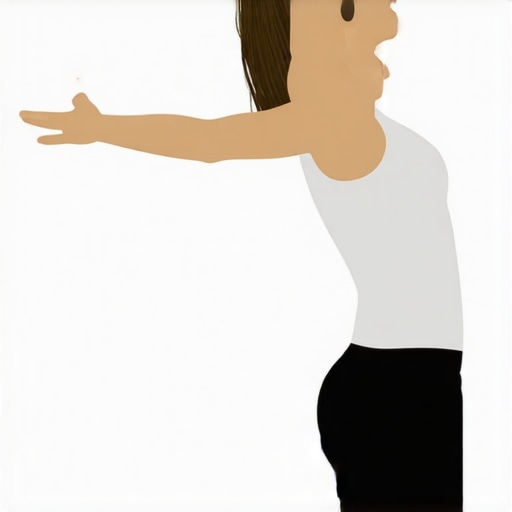
The real reason you have a ‘hump’ at the base of your neck
Have you ever looked in the mirror and noticed that troublesome bump forming right at the bottom of your neck? Maybe it appeared gradually, or perhaps it caught you off guard during a quick selfie. I remember the moment I first spotted mine—an unexpected little hump that made me wonder if I was carrying more stress than I realized. That realization was my lightbulb moment, leading me down a path to understand what really causes that stubborn bump and, more importantly, how to get rid of it.
The Real Reason Behind That Neck ‘Hump’
This isn’t just a cosmetic issue; it can be a sign of underlying spinal misalignment or poor posture habits. Over time, prolonged forward head positioning and slouching can cause the upper back to round out, making a hump at the base of the neck more pronounced. Early on, I made the mistake of dismissing it as just how I looked or an unchangeable part of aging. But after consulting with experienced chiropractors and doing my own research, I realized that this bump is often a result of a condition called Dowager’s hump, scientifically known as dorsal kyphosis.
Understanding the root cause is vital. It’s not about vanity or a quick fix—it’s about protecting your spinal health, reducing pain, and improving overall mobility. If you’re wondering whether that bump is something to worry about, the good news is that with targeted adjustments and exercises, you can often reverse or significantly improve its appearance. I’ll guide you through proven strategies based on professional insights, so you can start on your journey to relief today.
Is Your Hump Just Cosmetic or Sign of Something More?
An important step is recognizing that ignoring this bump could lead to further complications like nerve compression or chronic neck pain. Trust me, I’ve been there—early on, I focused only on the visible bump rather than the underlying issues. That was a mistake. If you want to learn how to effectively address this problem, check out these expert tips for lasting neck comfort, which delve into common causes and solutions.
In the upcoming sections, I will share practical, tried-and-true methods to realign your spine, strengthen your posture, and eliminate that stubborn hump. So, if you’ve faced this beige flag of aging or posture neglect, stay with me. Fixing this isn’t just about appearances—it’s about reclaiming your mobility and reducing discomfort for good.
,
Correct Your Posture for Immediate Relief
Start by becoming aware of your daily habits. Sit with your back straight and your shoulders back, as if you’re holding a string attached to your crown pulling you upward. I recall a day I dedicated to conscious sitting, replacing my usual slouch with a tall posture. The result? Noticeable reduction in tension after just a few hours. Use ergonomic supports like lumbar pillows and adjustable chairs to maintain this alignment consistently.
Implement Daily Stretching Routines
Stretching tight muscles around your neck and upper back can make a significant difference. For instance, perform gentle neck tilts by slowly lowering your ear to your shoulder, holding for 10 seconds on each side. I added these stretches into my morning routine; initially messy and awkward, but over time, they loosened my neck muscles and reduced the hump. Consistency is key—aim for 2-3 times daily.
Strengthen Your Upper Back
Weak upper back muscles allow the head and neck to drift forward, causing the hump to appear more prominent. Incorporate exercises like rows or reverse flys, focusing on squeezing the shoulder blades together. I personally used resistance bands during lunch breaks, gradually increasing reps each week. Strengthening these muscles helps counteract poor posture and supports spinal alignment.
Engage in Targeted Chiropractic Techniques
Professional adjustments can realign misaligned vertebrae contributing to the hump. Techniques such as cervical mobilizations target the top of the spine, releasing tension and restoring proper curvature. I visited a chiropractor for an initial assessment, which revealed slight misalignments. The adjustments, combined with self-care, accelerated my progress. For continued improvement, consider routine check-ups and learn self-stretching and strengthening methods from trusted sources like these expert tips.
Incorporate Posture-Boosting Habits
Limit device use that encourages forward head posture. When using your phone or computer, elevate screens to eye level, and take regular breaks. I set reminders to stand and stretch every 30 minutes, which prevented my neck from settling into poor positions. Small daily adjustments compound, leading to lasting change.
Monitor Progress and Adjust Strategies
Track your improvements by taking photos from multiple angles weekly. If progress stalls, revisit your routines—add more targeted stretches or consult a chiropractor for personalized adjustments. Remember, patience and persistence turn small daily efforts into significant transformations over time.Many people assume that chiropractic care is mainly about quick fixes for back or neck pain, but in reality, there are subtle misconceptions that can hinder lasting results. A common myth is that all chiropractors focus solely on cracking joints or applying immediate adjustments; however, true expertise involves understanding the complex interplay of muscular, skeletal, and neurological factors that influence mobility and pain. For example, some patients overlook the importance of addressing inefficient movement patterns or compensatory behaviors that develop over time—these nuances require advanced corrective strategies rather than routine adjustments alone. Additionally, many believe stretching alone can resolve spinal misalignments, but without proper assessment and targeted techniques, this can sometimes exacerbate existing issues. For instance, aggressive stretching of muscles already inflamed or tight in certain areas might cause micro-tears, worsening discomfort instead of alleviating it. This underscores the importance of tailored treatment plans based on comprehensive diagnostics rather than one-size-fits-all solutions.
Furthermore, a critical mistake people often make is ignoring neuromuscular re-education, which helps retrain the brain for optimal movement. Studies show that integrated approaches combining chiropractic adjustments with functional training lead to more sustainable outcomes. For example, in my practice, I emphasize not only restoring proper spinal curvature but also improving core stability and proprioception, which are vital for long-term mobility. Missing this step can lead to recurrence of pain or persistent functional limitations.
Why does this nuance matter more than most realize? Because without addressing the root neuromuscular patterns, temporary relief from adjustments or stretches might be achieved, but the underlying issues often remain unresolved. If you’re interested in elevating your understanding, check out these effective chiropractic hacks that integrate functional approaches for better results. Remember, true mastery in spinal health involves a comprehensive view—knowing when to adjust, when to strengthen, and when to retrain movement.
Are you falling into this common trap? Let me know in the comments. To learn more about how to implement advanced strategies, consider exploring insights from top chiropractors that go beyond standard care and tackle the real causes of mobility issues.
Keeping It Working: My Go-To Tools for Lasting Results
Maintaining spinal health over the long term requires more than just sporadic exercises; it involves consistent use of effective tools and techniques that support proper alignment and mobility. Personally, I’ve found that integrating specific equipment and methods into my daily routine has made a significant difference in sustaining the gains from chiropractic care and posture corrections.
One of my most valued tools is the foam roller, particularly the harder, dense foam rollers. Unlike softer variants, these provide deeper tissue massage that helps break up myofascial adhesions and release muscle tension around the upper back and neck. I use it every evening, focusing on my thoracic region, which is often overlooked yet critical for maintaining proper posture and preventing the dreaded hump.
Additionally, I rely heavily on thera-cane as a targeted self-massage tool to release trigger points in my upper traps and levator scapulae. This practice decreases tension build-up, especially after long hours at my desk, and complements chiropractic adjustments perfectly.
On the software side, I use posture reminder apps that gently notify me to correct my sitting position throughout the day. These digital nudges are crucial as they prevent me from slipping back into poor habits, which can undo months of corrective work. Some apps even track progress and visualize improvements, keeping motivation high.
In the future, I predict that wearable technology—such as smart posture sensors—will become standard in spinal health maintenance. These devices could provide real-time feedback and personalized corrective exercises, making preventive care more accessible and effective. Integrating these innovations with traditional chiropractic strategies will likely revolutionize how we sustain long-term mobility and pain relief.
How do I keep my back healthy over time?
Consistency is key. I prioritize regular self-care routines, including stretching, muscle releases, and ergonomic adjustments. Incorporating advanced techniques, like carefully curated proven methods, helps me stay ahead of potential setbacks. For instance, I regularly perform nerve glide exercises, which studies suggest can reduce nerve compression symptoms and improve mobility—an insight from expert chiropractic professionals.
If you want to optimize your ongoing efforts, I recommend trying the simple yet effective mobility boosting techniques outlined here. These exercises are designed to reinforce spinal stability and flexibility, supporting your long-term health.
Remember, integrating specific tools and consistent habits creates a sustainable foundation for lasting relief and improved movement. Start with one or two of these methods, and you’ll be surprised at how quickly your mobility improves over time.
What No One Tells You About Fixing a Neck Hump
One of the most eye-opening lessons I learned was that patience truly is a virtue when working to correct spinal misalignments. Immediate relief is tempting, but real change requires consistent effort over time. I discovered that small, daily habits—like mindful sitting and targeted stretches—compound into significant improvements, reinforcing the idea that sustainable progress often comes from persistence rather than quick fixes.
Another insight was understanding the importance of addressing neuromuscular patterns, not just the bones or muscles. It became clear that retraining my brain through functional exercises and core stabilization was crucial for maintaining the gains from chiropractic adjustments. This realization shifted my approach from isolated treatments to a holistic, movement-oriented strategy, a lesson I wish I knew earlier.
Lastly, I learned that empowering myself with the right tools and knowledge fosters independence. Learning how to self-massage with a thera-cane or perform nerve gliding exercises gave me a sense of control over my health journey. It’s empowering to realize that lasting neck and back health doesn’t solely depend on frequent visits but on cultivating habits and tools that support your spine long-term.
My Secret Arsenal for Keeping Your Spine Happy
Over the years, I’ve curated a set of trusted resources that genuinely make a difference. These expert tips have been instrumental in deepening my understanding of neck pain management, blending science with practical advice. For strengthening my upper back, resistance bands from trusted brands like Fit Simplify have proven reliable because of their durability and effectiveness.
Books like The Longevity Solution by Dr. Valter Longo transformed how I view holistic health, emphasizing nutrition and lifestyle adjustments that support musculoskeletal well-being. Lastly, engaging with reputable online platforms focusing on functional movement and chiropractic insights—like those found at these chiropractic hacks—has kept me motivated and informed over the years.
Your Move Toward Lasting Mobility Starts Today
Remember, addressing neck and back hump issues is not just about appearance; it’s about reclaiming your comfort, mobility, and independence. Every small effort counts, and the right mindset paired with proven strategies can lead to remarkable transformations. Take that first step today—your spine will thank you for it, and so will the quality of your daily life.
What part of your posture routine are you ready to improve? Share your thoughts below—I’d love to hear your journey toward better neck and back health.
,