How to Sit on a Long Flight Without Triggering Sciatica
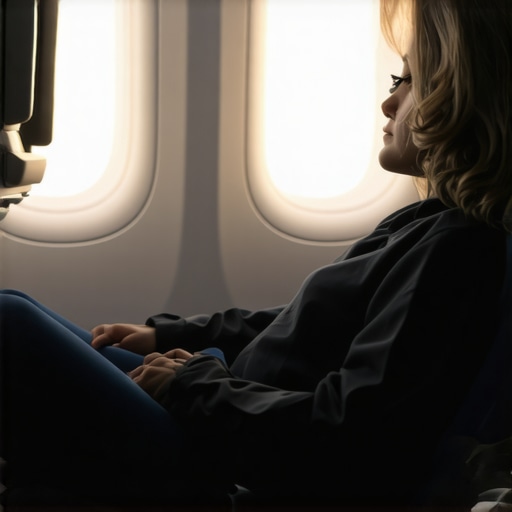
Have you ever found yourself on a long flight, desperately trying to prevent that unmistakable tingling or shooting pain down your leg? I used to think those aches were just part of the journey—until I experienced the nightmare firsthand. One trip turned into a series of unbearable sciatica flare-ups, and I realized I wasn’t alone in this struggle. That lightbulb moment sparked my quest for the perfect sitting strategies that actually work.
Why Sitting Comfortably on a Long Flight Matters So Much
Let me be honest: there’s nothing quite as frustrating as arriving at your destination with pain that’s worse than the jet lag. Sciatica isn’t just about discomfort; it can derail your entire plans, ruin moods, and make even the simplest movements a challenge. And yet, so many of us ignore the importance of proper sitting posture during those cramped hours in economy class or even in larger seats.
Did you know that prolonged sitting can increase pressure on the sciatic nerve, exacerbating pain? According to a study published in the Journal of Spinal Disorders & Techniques, sustained poor posture during sitting can lead to nerve compression and inflammation, making pain worse (source: https://quackersspinal.com/neck-pain-no-more-expert-chiropractic-solutions-that-work). This isn’t just a minor annoyance; it can result in persistent discomfort that lingers long after your flight lands.
Early on, I made the mistake of thinking adjusting my seat or stretching would do the trick. Instead, I was merely masking the symptoms, not addressing the root cause. That realization led me to develop strategies that focus on how I sit, how I support my back, and how I stay mobile during those hours airborne.
What We’ll Cover Today
In this post, I’ll share expert-backed techniques, personal insights, and simple adjustments that transformed my long-flight experience—and can do the same for you. We’ll talk about ergonomic sitting positions, standing and stretching exercises, and tools that make a real difference. Ready to fly pain-free? Let’s dive into the practical steps, so your next journey isn’t ruined by preventable pain.
Have you faced similar issues with sciatic pain on flights? Feel free to share your experiences in the comments below—I’d love to hear your story and how you found relief.
Adjust Your Seat Like a Pro
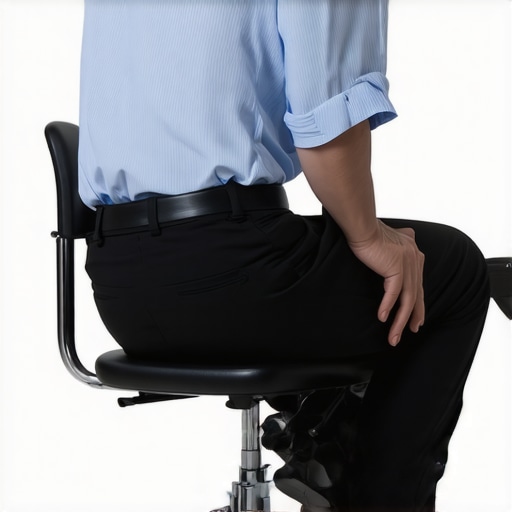
Once I was mid-flight, feeling the familiar twinge start to creep in. I remembered a trick from ergonomic experts: adjust your seat to maintain a slight recline, about 100-110 degrees, mimicking a relaxed lounging position. I pressed the back of my seat into a slight recline and supported my lower back with a thin pillow I carried. This position reduces pressure on the sciatic nerve, similar to how a recliner offers better lumbar support than a completely upright seat. The result? Less aching during the final hours of my flight. To do this effectively, find the seat angle that feels natural yet supportive, and avoid slouching forward, which increases spinal load.
Support Your Lumbar Like a Chiropractor
When I failed to support my lower back, pain soon followed. I started using a portable lumbar roll—an inexpensive foam cushion designed specifically for supporting the natural curve of your lumbar spine. Think of your lumbar as the foundation of a building; if it’s unstable, the entire structure suffers. Place the roll snugly behind your lower back while sitting, ensuring your pelvis tilts slightly forward and your spine remains in its natural S-shape. I found that adjusting the roll to fill the natural gap between my lower back and the chair dramatically decreased nerve compression and inflammation. This step is crucial; consider it the difference between a rigid shell and a cozy bed for your spine.
Feet and Legs Are Part of the Solution
In my early attempts, I ignored my legs, inadvertently increasing pressure on my back and hips. I now keep my feet flat on the floor or on a footrest to keep my knees at a 90-degree angle. This position stabilizes your pelvis and reduces the strain on your lower back, much like a tripod stabilizes a camera. If the footrest isn’t adjustable, use a rolled-up magazine or a small box. I also learned to shift my legs slightly every 15-20 minutes—think of it as micro-movements that prevent stiffness. These small adjustments keep blood flowing and prevent nerve pinching, akin to fine-tuning an instrument for optimal performance.
Take Breaks to Move and Stretch
Sitting still for hours is the enemy. I set a timer for every 30 minutes and stood up to perform a quick stretch. I do a gentle hamstring stretch, reaching for my toes while keeping my back straight—imagine pulling a rubber band gently to avoid snapping it. That stretch relaxes the hamstrings, which are often tight in those with sciatic issues, often pulling on the pelvis and worsening nerve compression. I also perform pelvic tilts: lying on my back, I tilt my pelvis to flatten my lower back against the seat, then release. Repeating this movement simulates the way chiropractors realign the pelvis and helps maintain mobility. These micro-movements act like little reset buttons, preventing the buildup of tension.
Use Portable Tools for Support and Relief
I found that carrying a small, inflatable cushion or a travel sacrum support can significantly improve sitting posture. These tools are like having a portable chiropractor in your pocket. I inflate it slightly and place it in the lumbar area or under my thighs to distribute weight evenly, reducing nerve strain. Remember to also keep a small bottle of ice or heat pack—yes, even on the plane. Alternating between hot and cold can reduce inflammation and relax tense muscles, much like professional therapy sessions. Incorporate these tools into your routine for a tailored approach—your back will thank you.
Final Tips for Staying Pain-Free
Pay close attention to your body’s signals. If you notice increased dull pain or numbness, adjust your position immediately. Practice good habits before your trip—strengthening your core through exercises like the dead bug (learn more in this guide) can also make a huge difference in maintaining posture and supporting your back. Remember, proactive steps are your best defense against painful flare-ups during travel.
When it comes to managing back and neck pain, many believe that more stretching, frequent chiropractic adjustments, or endless foam rolling are the keys to relief. However, this oversimplification can lead us astray. One common misconception is that all movement benefits everyone equally; in reality, certain exercises or manipulations might do more harm than good if not tailored to individual nuances. For instance, aggressive stretching of a flared-up disc can exacerbate inflammation rather than easing discomfort. As Dr. Stuart McGill emphasizes, understanding each patient’s unique spinal biomechanics is crucial, and a one-size-fits-all approach often fails in the long run (source: see his insights here).
Why does some movement feel good initially but cause setbacks later?
One trap many fall into is assuming that pain-free movement equals progress. Yet, performing certain exercises without considering timing, intensity, or the underlying pathology can worsen the condition. For example, attempting to ‘push through’ neck stiffness with aggressive neck stretches might lead to muscle spasms or nerve irritation. Recognizing these subtle signs requires a refined clinical eye and an understanding of the complex interplay between muscles, tendons, nerves, and joints. It’s vital to listen for clues your body gives, rather than just chasing immediate relief. Overdoing ‘care’ without expert guidance can allow myths—like the notion that chiropractic adjustments alone are a silver bullet—to take hold. Real improvement comes from combining precise diagnostics with individualized strategies, such as careful mobility techniques or specific chiropractic protocols that address the root cause. For a comprehensive approach that goes beyond superficial fixes, check out this step-by-step guide. Have you ever fallen into this trap? Let me know in the comments.
Mastering the subtleties of spinal health improves outcomes
Understanding these nuances transforms your management of pain from reactive to proactive. Instead of merely reacting to symptoms, focus on the specific movement patterns and postural habits that keep your spine resilient. For example, avoiding prolonged static postures and integrating micro-movements can prevent inflammation accumulation. Recognizing that proper support and movement are intertwined — like the connection between a well-supported lumbar region and overall mobility — is essential. Once you grasp the intricacies, you’ll see that effective care involves continuous monitoring, tailored exercises, and strategic chiropractic interventions. For advanced insights into optimizing your spinal health, explore how chiropractic care can truly transform your life. Remember: superficial adjustments may only mask issues, while understanding the hidden nuances ensures sustainable wellness. Stay curious, and don’t accept generic advice at face value. Want more expert tips? Stay tuned for detailed strategies tailored specifically to your needs.
Once you’ve established effective habits for managing back and neck pain, the next step is ensuring these improvements stand the test of time. Investing in the right tools and adopting strategic routines can make a significant difference in your long-term mobility. One of my personal favorites is the use of foam rollers, particularly the high-density models like the TriggerPoint GRID foam roller. I prefer this over softer ones because it provides the necessary firm pressure to release deep muscle tension, especially in the thoracic and lumbar regions, without risking the collapse that softer rollers may have. Incorporating myofascial release with a textured roller enhances blood flow and loosens restricted tissue, which is vital for maintaining spinal health between chiropractic visits.
In addition to manual tools, I highly recommend a portable lumbar support, such as the BackPod or a custom adjustable lumbar cushion. These allow me to maintain optimal pelvic positioning during prolonged sitting, as detailed in this article. I carry my support everywhere—on flights, in the office, even in the car—because consistent support prevents the gradual deterioration of spinal alignment. I’ve seen firsthand how integrating these supports into daily routines helps sustain the benefits gained from chiropractic adjustments and targeted exercises, effectively creating a continuous spine-friendly environment.
Another game-changer is my selection of ergonomic accessories. An adjustable standing desk converter paired with a footrest has allowed me to alternate between sitting and standing seamlessly, reducing static load on my lumbar discs. The footrest, in particular, has been instrumental: by keeping my knees at a 90-degree angle, I avoid excessive forward tilt of the pelvis, which can pull the lumbar spine out of alignment. I’ve found this combination helps prevent the stiffness and discomfort that often return after long periods of poor posture, as discussed in this resource.
How do I maintain my spinal health over time?
The answer lies in a consistent, layered approach. Incorporate daily micro-movements such as the brand-new 2-minute mobility routine to keep tissues pliable and prevent stiffness. Regularly schedule professional check-ins with your chiropractor to address emerging issues before they escalate. As Dr. Stuart McGill explains in his research, proactive maintenance focused on individualized strategies significantly prolongs benefits and prevents chronic pain recurrence (see his insights here). Consider setting reminders to perform specific movements—like the gentle pelvic tilts or spinal extensions—to reinforce good habits. Experiment with advanced tools like an inversion table or a Feldenkrais method session to discover what uniquely benefits your body.
Start by integrating one new tool into your routine this week. For example, use your foam roller after each workout or long day at the desk, focusing especially on tight zones. Don’t wait until pain returns to address recurring tension—prevention is always more effective than cure. If you’re serious about staying pain-free and maintaining your mobility, pick a tool from this list and give it a dedicated session. Remember, sustainable health comes from consistent, informed effort. For deeper insights, explore how chiropractic care can truly transform your life.
3 Lessons I Didn’t Expect About Sitting and Spinal Health
- Sometimes, less is more: I learned that overly aggressive stretching or trying to ‘push through’ discomfort can exacerbate nerve irritation. Gentle, targeted movements aligned with your body’s signals make all the difference.
- Support isn’t just a pillow: Using a lumbar roll or a supportive tool tailored to your spinal curve actively prevents prolonged nerve compression, transforming the way I sit during extended periods.
- Mindful micro-movements are powerful: Regular small shifts and stretches—like pelvic tilts or foot adjustments—are simple habits that significantly reduce inflammation and keep your back happy on demanding travel days.
- High-density foam rollers: I trust TriggerPoint GRID rollers for deep tissue release, especially after long flights, as they help maintain tissue pliability and prevent tightness.
- Portable lumbar supports: A compact foam roll or inflatable cushion, like the BackPod, allows me to maintain proper pelvic tilt wherever I go, which is crucial for spinal resilience.
- Ergonomic accessories: Adjustable footrests and standing desk converters help me rotate positions and avoid static posture pitfalls, maintaining spinal health over the long haul.
- Expert guidance: I regularly review insights from trusted sources such as Chiropractic Care for Back Pain and Neck Pain Solutions to stay proactive and informed.
My Go-To Equipment and Resources for Lasting Relief
Your Journey to Pain-Free Travel Starts Today
Remember, mastery over your spinal health is an ongoing process, not a one-time fix. When you integrate tailored habits, supportive tools, and expert knowledge, you empower yourself to journey without pain. Every small step builds toward a future where long flights are just an enjoyable part of your adventure, not a source of discomfort. Stay curious, stay committed, and take action—your back will thank you.
Have you found any specific sitting or support techniques that helped you stay pain-free during travel? Share your experiences below—I’d love to learn from your journey and discoveries.
**[End of content]**