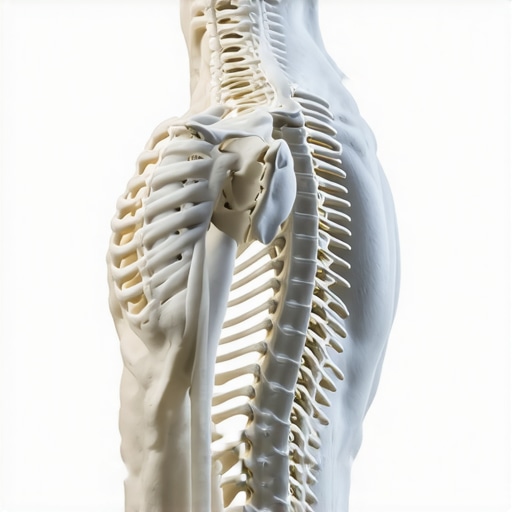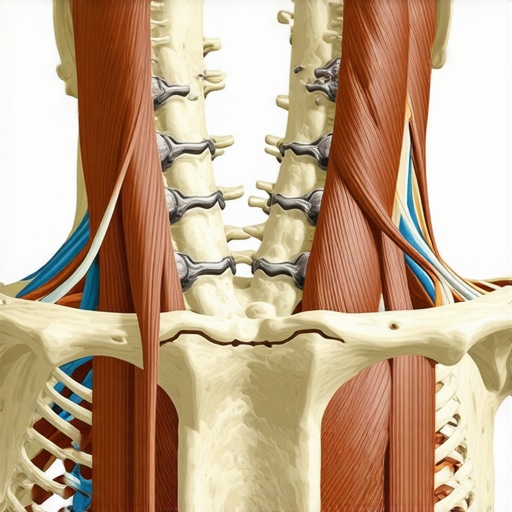
What Your Gait Analysis Reveals About Your Lumbar Health
Ever stumbled out of bed, only to feel that familiar ache in your lower back, and wondered, “Did I tweak something overnight?” I remember those mornings all too well—spine stiff, movements cautious, and the sense that something’s just not right. Sometimes, we ignore these signs, chalking them up to aging or a rough day, but what if the way we walk—yes, our gait—is secretly telling us a story about our lumbar health?
The Surprising Connection Between Your Walk and Your Back
It might sound odd, but your gait—the way you move when you walk—can actually shed light on underlying issues in your lower back. I first learned this when a simple gait analysis revealed imbalances I never knew I had. What followed was a journey of understanding how subtle shifts in posture, stride, and foot placement can influence, or be influenced by, lumbar health. This insight has transformed how I approach back pain, making me realize that movement patterns are often the missing piece in many chronic discomforts.
Is Gait Analysis Overhyped or Actually Worth It?
Now, I know some skeptics might be thinking, “Isn’t gait analysis just fancy footwork?” I was there too, until I made the mistake of dismissing it early on. My initial error was assuming that back pain was solely about the spine and not considering how my walking mechanics might be contributing. Later, I discovered that addressing gait imbalance can lead to significant improvements—sometimes faster than traditional treatments. According to a study by the Journal of Bodywork and Movement Therapies, correcting gait abnormalities can reduce lower back pain symptoms by improving foundation stability.
This realization led me to dive deeper into how chiropractic treatments and movement assessments can benefit us. And if you’ve ever wondered whether your walking habits are causing or worsening your back issues, this is the sign to explore your gait more closely.
In the sections ahead, I’ll share practical tips and insights on how understanding your gait can be a game-changer for your lumbar health. Ready to take a step toward better mobility? Let’s get started.
Observe Your Walking Pattern Intentionally
Begin by paying close attention to how you walk daily. Without judgment, notice if you favor one side, limp, or have uneven stride length. I remember one morning when I recorded myself walking in the park. The video revealed a slight leftward drift, which I had previously dismissed. Recognizing this imbalance was the first step toward corrective action. To capture similar insights, set up a smartphone camera at waist level, and record a 30-second walk to analyze your gait objectively. Learning to spot these subtle signs is crucial for effective intervention.
Identify and Correct Your Common Imbalances
Spot Foot Placement and Stride Issues
Take note if your shoes wear unevenly or if one foot lands harder than the other. These cues point to misalignments that can strain your lumbar region over time. For example, I noticed my right shoe tread was more worn, indicating my right foot was impacting ground contact differently. Engaging a friend or using a mirror can help you observe whether your hips or knees tilt during walking. If you see discrepancies, focus on exercises that promote symmetry, such as clamshells or side-lying leg lifts. Aligning your foot placement helps stabilize your pelvis and reduce lumbar stress.
Address Postural Asymmetries During Movement
While walking, check if your shoulders stay level or if one tilts forward. I once discovered that my dominant side leaned forward slightly, tugging my lumbar spine out of neutral. Using a full-length mirror or recording your gait allows you to detect these deviations. Incorporate drills like shoulder rolls and focus on maintaining an upright, centered posture. Consistent awareness during daily movement can recalibrate your body’s habits and improve back comfort.
Enhance Mobility to Reinforce Correct Gait Patterns
Mobilizing tight muscles that restrict natural movement is vital. Tight hips or hamstrings often force compensations in your gait, leading to back pain. I personally added daily hip-opening stretches and hamstring releases with a foam roller, which noticeably improved my stride and reduced discomfort. Regular mobility work ensures your joints move freely, allowing your gait to stay balanced without unnecessary compensations that strain your lumbar region.
Engage in Gait-Focused Exercises
Once you’ve observed and corrected imbalances, reinforce proper mechanics with targeted exercises. For instance, the “trotting step” drill emphasizes heel-to-toe stride and proper pelvis rotation. Practice walking slowly, consciously maintaining even stride length, and engage core muscles for stability. This deliberate focus helps retrain your nervous system to adopt healthier movement patterns and can be combined with techniques from [restoring movement](https://quackersspinal.com/restore-your-range-how-chiropractic-care-enhances-movement) to maximize results.
Seek Professional Gait and Posture Analysis
If persistent issues remain, consider consulting a chiropractor skilled in gait assessment. They use specialized tools to analyze your walking biomechanics more precisely. This step was pivotal for me; a professional discovered subtle pelvic tilt contributing to my back pain, which I then corrected through specific chiropractic adjustments. A comprehensive assessment can uncover hidden imbalances, guiding effective treatment plans that go beyond simple observation.
Remember, your gait is a window into your skeletal and muscular health. By intentionally observing, correcting, mobilizing, and professionally assessing your walking mechanics, you lay the groundwork for long-term lumbar health and mobility. This process is dynamic—continue refining your awareness and techniques regularly, and you’ll notice meaningful improvements in comfort and function.
While many believe that chiropractic treatment is only about quick adjustments to alleviate pain, the reality is far more nuanced. The prevailing myth suggests that chiropractors merely ‘crack’ backs and necks to provide instant relief. However, as an expert in spinal health, I can tell you that effective chiropractic care involves comprehensive assessments, understanding biomechanical patterns, and addressing root causes of dysfunction.
Another misconception is that back pain always indicates a severe structural issue requiring invasive treatments. In fact, studies show that most lumbar discomfort stems from muscular imbalances and movement patterns rather than serious disc or nerve problems. A more sophisticated approach involves improving mobility and correcting dysfunctional movement habits, which can be achieved through targeted chiropractic techniques. For example, exploring how mobility-enhancing adjustments, combined with specific exercises, can prevent recurrent pain is essential. You can discover more on this topic by visiting how chiropractic supports natural mobility.

The most overlooked aspect is the tendency to treat symptoms without examining underlying movement patterns. Many practitioners focus solely on the painful area, neglecting biomechanical imbalances elsewhere that contribute to discomfort. This oversight can lead to persistent issues and even chronic conditions. An advanced mistake is assuming that once pain subsides, the problem is fully resolved. Instead, true recovery involves retraining your nervous system to adopt healthier movement habits and mobility routines. According to research published in JOSPT, addressing movement dysfunctions early can significantly reduce recurrence rates. Don’t fall into this trap—prioritize comprehensive assessments that include gait analysis, posture, and functional mobility evaluations. Learn more about this integrative approach at restoring movement for lasting relief.
How Can Advanced Chiropractic Strategies Improve Long-Term Mobility?
For those with complex or recurring issues, incorporating advanced chiropractic techniques like neuro-emotional technique, muscle release therapies, or functional movement assessments can make a substantial difference. These methods go beyond traditional adjustments, focusing on restoring full-body harmony and optimizing the nervous system’s role in movement. This holistic approach not only alleviates pain but also enhances overall mobility and resilience. Exploring such strategies can empower you to break free from temporary fixes and achieve sustainable health improvements. For insights on integrating these techniques, check advanced techniques for mobility and pain relief.
Have you ever fallen into this trap? Let me know in the comments.
Maintaining Mobility Over Time with Precision Tools
Keeping your back healthy isn’t a one-and-done process; it’s an ongoing journey that requires reliable tools and methods. Personally, I rely on a combination of targeted mobility devices, smart technology, and strategic routines to ensure long-term results. One essential tool in my arsenal is the foam roller. I prefer the TriggerPoint GRID Foam Roller because its textured surface offers deep tissue massage, helping me release muscle tightness in my hips and hamstrings—areas that, if neglected, can perpetuate back issues. Regular rolling prevents stiffness and promotes blood flow, which is vital for healing and mobility.
In addition, I use a muscle activation strap during my warm-ups. This simple yet effective device helps activate key stabilizers, such as the transverse abdominis, setting a solid foundation before more dynamic movements. For tracking progress, I employ the Restore Your Range app, which guides me through mobility drills calibrated to my specific needs, ensuring consistent improvement over months.
When it comes to stretching, I find that thera-wraps provide controlled compression that supports recovery post-exercise or after long days sitting at the desk. Consistent use reduces inflammation and helps maintain flexibility, a must for preventing recurrent pain. These tools work synergistically to keep my spine resilient, adaptable, and free from chronic tightness. Looking ahead, I predict the integration of smart wearable sensors will revolutionize how we monitor movement patterns and posture in real time, offering personalized feedback to preempt issues before they arise.
How do I maintain long-term back health through these tools?
Simple routines—like daily foam rolling, targeted stretching with therawraps, and app-guided mobility exercises—become habits that reinforce your body’s alignment and movement quality. I recommend trying the boost mobility techniques to enhance your routine. Remember, consistency is key: weekly check-ins with a chiropractor using tools like digital gait analysis can identify new imbalances early, allowing for timely interventions that prevent setbacks. As technology evolves, expect smarter, more intuitive devices to support this ongoing process—making maintenance easier and even more effective. To start, incorporate a foam roller session into your evening routine today and experience how releasing tension can make a noticeable difference in your back comfort and mobility. Want to deepen your understanding? Explore detailed steps in the mastering back and neck pain relief guide.
Throughout my journey with back pain and mobility, I’ve realized that some of the most profound lessons come from unexpected places—like the way you walk. One lightbulb moment was recognizing that subtle gait imbalances often hold the key to resolving longstanding lumbar issues. Embracing this insight shifted my perspective from solely treating symptoms to addressing root causes rooted in movement habits.
The Hidden Wisdom Behind Your Walk That No One Tells You About
One of the biggest lessons I learned the hard way was that ignoring minor gait irregularities can lead to persistent discomfort. Correcting foot placement and stride patterns not only alleviated my back pain but also improved my overall mobility. This taught me the importance of tuning into how your daily movements influence spinal health in ways that most treatments overlook.
Tools That Changed My Approach to Back and Neck Relief
- Foam rollers: I swear by them for releasing tight muscles that contribute to gait issues. The Restore Your Range program offered me structured routines that made consistent mobility maintenance achievable.
- Mobility apps: Using smart technology to track progress and guide my exercises kept me accountable. They became my digital assistant in the ongoing journey to better movement.
- Professional gait analysis: Seeing a chiropractor skilled in gait assessment uncovered imbalances I couldn’t feel. This step was pivotal—more effective than countless hours of self-diagnosing.
- Stretching tools like Therawraps: They supported my flexibility routine, preventing tightness that could throw off my gait and back health.
Take Charge and Transform Your Mobility
Your back health is a dynamic, ongoing adventure. Integrating insights from gait observation and employing practical tools can empower you to regain control—and comfort. Remember, progress comes with patience and consistency. If you’re ready to explore how chiropractic care can enhance your mobility naturally, learn about how chiropractic supports movement. What’s one small step you can take today to improve your gait and lumbar health? Share your thoughts below!”} в) }# }}#pragma: user create_posts/rssGet{