How to sleep with a herniated disc without waking up in pain
I remember the night vividly. My back was throbbing so intensely that I couldn’t find a comfortable position no matter how many pillows I stacked or how I twisted and turned. The worst part? Every time I finally drifted into a restless sleep, I’d jolt awake in agony, drenched in sweat and frustration, feeling like I’d just run a marathon. That moment made me realize: sleep shouldn’t feel like a battle, especially when you’re battling a herniated disc.
If you’re reading this, chances are you’ve experienced similar nights—lying awake, counting sheep, but instead, counting the times you wake up in pain. Well, you’re not alone. Chronic pain from herniated discs can turn a regular night’s sleep into a stressful ordeal, affecting not just your rest but your overall health and mood.
Today, I want to share a promise: I’ll help you uncover practical, effective ways to sleep through the night without waking up every few hours in pain. Over years of personal trial, error, and learning from top experts, I’ve found strategies that genuinely work, and I’m here to guide you.
Why Your Sleeping Position Might Be Making Things Worse
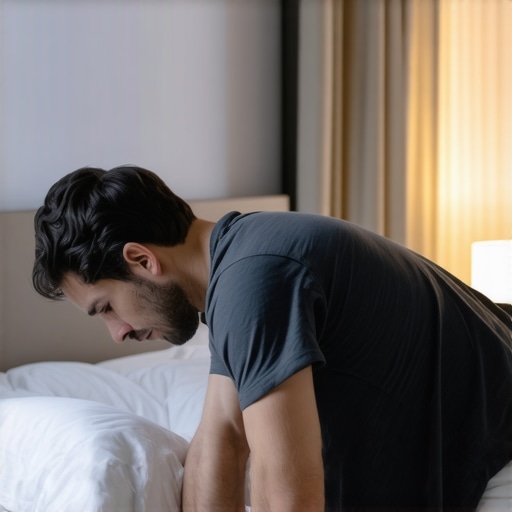
First things first—your sleeping position plays a pivotal role in your nightly comfort. Many folks with herniated discs unwittingly adopt habits during sleep that exacerbate their pain. It’s easy to fall into the trap of sleeping on your stomach, which can put unnecessary strain on your neck and spine. Or maybe you’re curling up in a fetal position, which, while comforting for some, might actually increase pressure on the herniated disc if not done correctly.
The key is finding a position that minimizes pressure and supports your spine naturally. That might mean side sleeping with a proper pillow between your knees or back sleeping with a supportive pillow under your knees. These adjustments can significantly reduce the occurrence of those dreaded pain wake-ups.
I initially made the mistake of ignoring my body’s signals and continued sleeping in whatever position was easiest—not realizing it was fueling my pain cycle. Early on, I also overlooked the importance of a supportive mattress. Research suggests that a firm yet cushioning surface can alleviate pressure points and dramatically improve sleep quality for herniated disc sufferers here. Since then, experimenting with different sleep setups has been a game-changer.
Are you tired of ending your nights with tears or frustration? If so, understanding how sleep position influences your disc health is just the beginning. Next, I’ll walk you through easy, actionable adjustments to get you sleeping soundly and pain-free. Ready to wake up refreshed?
Optimize Your Sleeping Position for Comfort
Start by choosing the right orientation: sleep on your side with a supportive pillow between your knees. This alignment maintains spinal neutrality, reducing pressure on your herniated disc. If you prefer back sleeping, place a pillow under your knees to support the natural curve. Avoid stomach sleeping, as it twists the neck and strains the lower back, exacerbating pain.
Invest in the Right Mattress and Pillows
A firm mattress with enough cushioning prevents your spine from sagging into unnatural positions. Use a pillow that supports your neck’s natural curve—too thick or too flat can increase tension. Test your mattress by lying on it; if you feel unsupported or wake up stiff, consider a replacement. Proper cushioning and support are essential for midnight relief.
Establish a Pre-Sleep Mobility Routine
Engage in gentle stretching or mobility exercises before bed. For example, pelvic tilts or knee-to-chest stretches can loosen tight muscles and improve flexibility, making it easier to find a comfortable position. I once spent 10 minutes doing gentle spinal twists and noticed a decrease in overnight stiffness. Consistency transforms sleep quality.
Implement Gentle Movement During the Day
Regular light activity, like walking or swimming, keeps your spine mobile and reduces stiffness. Moving helps decrease inflammation and prevents muscles from tightening around the herniation. Think of your spine as a rusty hinge—the more you move it gently, the smoother it gets. I started daily 15-minute walks, which made a noticeable difference in my nightly pain levels.
Modify Your Environment for Better Rest
Ensure your sleeping area is quiet, dark, and cool. A clutter-free, calming room minimizes stress and promotes deeper sleep. Consider blackout curtains and white noise machines if needed. When I improved my environment, I fell asleep faster and woke fewer times, providing my body with the restorative rest it desperately needed.
Use Supportive Tools for Night Relief
Pillow supports like lumbar rolls or specialized neck cushions can enhance comfort. During a particularly painful week, I used a small lumbar pillow under my lower back, which alleviated pressure and allowed me to stay in a beneficial position longer. Don’t hesitate to experiment with different supports to find what alleviates your specific pain points.
Limit Screen Time Before Bed
Reducing exposure to screens at least an hour before sleep prevents blue light from disrupting melatonin production, helping you fall asleep faster. Better sleep means less pain perception. I switched to reading a physical book instead of scrolling and noticed my episodes of waking due to discomfort decreased.
When it comes to back and neck health, many believe the basics are enough—stretch here, strengthen there, and see a chiropractor when pain flares up. But let’s dig deeper into common misconceptions and advanced nuances that can make or break your recovery. Contrary to popular belief, **not all movement is beneficial**. For example, many assume that excessive stretching always helps; however, research indicates that *overly aggressive or misguided stretches* can worsen existing disc issues here. The real key lies in understanding your unique anatomy and the precise movement patterns that promote healing versus those that aggravate pain.
One critical trap many fall into is **the misconception that active exercises are always better than passive treatments**. While mobility drills and strengthening are essential, neglecting the importance of *corrective chiropractic interventions* can stall progress. Effective techniques—like those outlined in chiropractic hacks for neck pain—sometimes serve as the foundation for sustainable relief.
Moreover, a widespread myth is that **pain is always a sign of damage that needs rest**. But in many cases, pain originates from *muscle imbalances or misalignments* that can be corrected through targeted adjustments rather than prolonged inactivity. Dangerous habits like prolonged bed rest only prolong recovery, as highlighted in numerous studies here.
Let’s consider an advanced question:
Why does persistent pain sometimes not correlate with visible injury?
This phenomenon stems from neuroplastic changes and sensitization of the nervous system, meaning your brain perceives pain even when tissue damage has healed. Recognizing this disconnect is crucial for implementing *multimodal strategies* that combine chiropractic adjustments, movement therapy, and mental health approaches. The insight provided by expert sources underscores that **a holistic view**—beyond just the physical—is vital for long-term relief.
Finally, beware the fallacy that cheap solutions, like rapid-fix devices or over-the-counter pills, can substitute for *comprehensive care*. Relying solely on temporary fixes often leads to recurrence and chronic issues. Instead, integrating expert-guided movement principles with professional chiropractic care yields more reliable, lasting results.
Have you ever fallen into this trap? Let me know in the comments. Remember, mastering these nuances is what truly differentiates temporary relief from lasting mobility and freedom from pain.Maintaining your progress in back and neck health requires more than just occasional adjustments or exercises; it demands a set of reliable tools and consistent routines. Over the years, I’ve integrated specific equipment and methods that have proven essential in keeping me mobile and pain-free. One standout is the use of a lumbar roll, which I place behind my lower back when sitting for long periods. This simple device helps maintain the natural curve of my lumbar spine, preventing slouching that can aggravate herniations here. Regularly, I also incorporate foam rollers into my daily stretch routine, targeting tight muscles that can pull the spine out of alignment. An adequately dense foam roller allows me to perform my own myofascial release, reducing muscle tension and improving mobility. To complement manual tools, I rely on specific software like posture correction apps that alert me when I slouch at my desk, reinforcing good habits. These digital solutions are becoming increasingly refined, with some utilizing AI to analyze your posture over time and suggest personalized adjustments. Looking ahead, I predict that wearable biomechanics sensors will offer even more precise feedback, integrating seamlessly with apps to provide real-time correction. This convergence of tech and biomechanics will likely become a cornerstone in long-term back health strategies.
Lessons Only Experience Can Teach
One of the toughest truths I’ve learned is how deceptive pain signals can be; sometimes, your body whispers for attention, and other times, it yells. Recognizing which is which saves you from overreacting or ignoring crucial cues. I used to dismiss subtle discomfort, only to find it escalating into days-long flare-ups—teaching me patience and attentiveness are vital. An even deeper lesson was understanding that consistency trumps intensity. Gentle daily habits, like mindful stretches or correct posture adjustments, compound over time to create a resilient spine better equipped to handle life’s stresses. Lastly, I discovered that the mind-body connection isn’t just a cliché; mental stress can amplify physical pain. Deep breathing, meditation, and positive reinforcement play roles as essential as physical exercises in my recovery journey, and they might do the same for you.