
How to fix your posture while washing dishes at the sink
It happened again. That nagging ache in my neck and upper back after a long session at the sink. I caught myself hunching over, elbows bent at awkward angles, shoulders creeping up towards my ears. That uncomfortable tension? Yeah, I know it well. One lightbulb moment led me to realize: if I don’t pay attention to my posture during everyday tasks like washing dishes, those small habits can silently chip away at our spinal health over time.
Why Your Posture at the Sink Matters More Than You Think
Daily chores aren’t just mundane routines—they’re opportunities to safeguard your back and neck. Poor posture while bending over the sink can lead to chronic pain, stiffness, and even nerve issues if ignored. The tricky part? Most of us don’t even notice that we’re slouching or twisting the wrong way. I used to dismiss it as minor discomfort, but I learned that consistent poor positioning can set the stage for long-term problems. In fact, a study from the University of Sydney found that maintaining poor postural habits increases the risk of musculoskeletal disorders (source: https://quackersspinal.com/back-pain-recovery-how-chiropractic-care-transforms-lives).
Now, I was guilty of making this mistake early on. I’d stretch my neck while leaning forward, or cradle my elbow on the edge of the counter, causing uneven strain. Trust me, if I can shift my habits, so can you. So, what’s the fix? Stick with me, because we’re about to explore realistic, effective ways to keep your spine happy during your dishwashing sessions.
Is Fixing Your Posture While Washing Dishes Really Worth the Hype?
Absolutely. You might wonder if adjusting your stance while scrubbing pots and pans makes a real difference. I used to think, “It’s just a quick load of dishes,” but I realized that small tweaks can drastically reduce pain and improve mobility. One mistake I made early on? Bending my neck downward for extended periods, which only worsened my neck tension. Having these awareness moments has transformed my daily routine—and my overall comfort.
Ready to learn the simple steps to protect your spine? Let’s get started on practical tips you can adopt today, making even your most routine chores friendly to your back and neck.
Adopt a Neutral Spine Position
Start by aligning your ears, shoulders, and hips. Imagine a string gently pulling your head upward to avoid jutting your chin forward. I remember leaning over a sink one evening, sinking into poor posture, which left me sore the next morning. I straightened up, kept my chin tucked, and instantly felt less strain.
Position Your Sink and Body Strategically
Adjust your height or the position of dishes to reduce bending. Place frequently used items within arm’s reach to avoid overextending or twisting. Once, I moved the dish soap closer, which minimized my leaning forward and kept my back more upright during scrubbing.
Use a Supportive Foot Position
Stand with feet shoulder-width apart, one foot slightly ahead for balance. This stance distributes your weight evenly and stabilizes your pelvis. I learned this tip the hard way after feeling imbalance when I stood with my feet too close together. Proper foot placement improved my posture and comfort.
Limit Twisting and Bending
Instead of twisting your torso when reaching for items, pivot your entire body. Keep your hips facing forward and turn your feet. For example, I used to twist awkwardly to reach behind the faucet; now I step around, protecting my lower back.
Engage Core Muscles
Activate your abdominal muscles gently—think of gently pulling your belly button toward your spine. This offers added support to your spine. During a messy day of washing dishes, engaging my core prevented me from slouching and reduced lower back fatigue.
Take Breaks and Stretch
Pause every 10-15 minutes. Stretch your neck, shoulders, and back. A quick shoulder roll or neck tilt can reset posture. I found that mild stretching after a few minutes prevented stiffness and eased ongoing discomfort.
Use Supportive Equipment
Consider a cushioned mat under your feet or a small stool for leaning. These tools help maintain comfort and proper alignment. I started using a soft mat, which reduced the pressure on my feet and improved my overall stance.
Be Conscious of Your Breathing
Breathe deeply into your abdomen, not your chest. Proper breathing maintains core stability and relaxation. Remember the times I forgot to breathe deeply? That tension in my neck and shoulders only worsened when I held my breath.
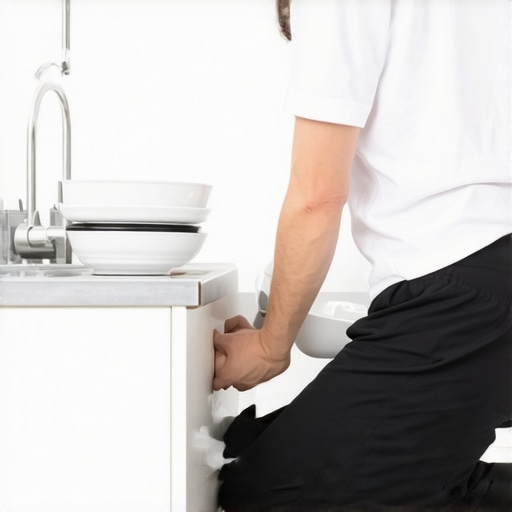 Many assume that chiropractic care is solely about quick fixes like cracking joints or relieving immediate pain, but in reality, there’s much more nuance involved. A prevalent myth is that once your pain subsides, the underlying issues vanish, leading patients to neglect the importance of ongoing spinal health maintenance. However, research indicates that consistent chiropractic interventions can positively influence long-term mobility and prevent future discomfort—see [this study](https://quackersspinal.com/back-pain-recovery-how-chiropractic-care-transforms-lives).
Are Adjustments Enough to Keep Your Spine Healthy?
Contrary to popular belief, chiropractic adjustments are just one piece of a comprehensive approach. Postural habits, hydration, nutrition, and even stress play critical roles in maintaining spinal integrity. Focusing solely on manipulations without addressing lifestyle factors can result in transient relief rather than sustained health. For example, correcting poor ergonomics and strengthening supportive muscles yield better, lasting results; explore [these mobility tips](https://quackersspinal.com/mobility-mastery-expert-tips-for-back-pain-prevention-and-recovery).
One common trap is misunderstanding the nature of neck pain. Many think it’s always minor or fixed with a quick crack, but ongoing tension often signals deeper issues involving spinal misalignments or muscular imbalances. Overlooking these nuances can lead to chronic problems or nerve involvement. Be cautious of thinking that pain relief is a one-time fix—consistent, tailored chiropractic strategies focus on restoring functional movement and spine resilience, not just temporary comfort.
Another advanced nuance is recognizing the difference between acute and chronic pain triggers. While immediate injuries require urgent care, long-standing pains often involve complex biomechanical alterations. For example, a subtle pelvic tilt can influence neck posture, creating a chain reaction that worsens overall discomfort. Addressing these interconnected issues with holistic chiropractic solutions can prevent recurrence and enhance mobility—see [how to unlock neck pain](https://quackersspinal.com/unlocking-neck-pain-relief-expert-tips-for-lasting-comfort).
Why Do Many People Still Miss These Critical Details?
One reason is that mainstream media often simplifies back and neck pain to quick fixes, neglecting the importance of personalized, diagnostic approaches. Without understanding these intricacies, individuals might rely on temporary solutions, like self-massage or over-the-counter medication, which don’t target root causes. As a seasoned chiropractor, I emphasize comprehensive care that combines adjustments, posture training, and lifestyle modifications—learn more [here](https://quackersspinal.com/understanding-back-pain-a-guide-to-better-posture-and-mobility).
Be wary of falling into the trap of underestimating the complexity of spinal health. Every nerve pathway and muscular connection matters, and seemingly minor misalignments can snowball into significant pain or mobility deficits. Educating yourself about these subtle factors empowers you to make informed decisions and seek the right care before issues escalate. For a deeper dive into advanced strategies, check out [this comprehensive guide](https://quackersspinal.com/mastering-back-neck-pain-relief-tips-from-the-pros-300).
Have you ever fallen into this trap? Let me know in the comments.Maintaining your spinal health over time requires more than just awareness; it involves investing in the right tools and adopting effective methods. Personally, I rely on a combination of ergonomic equipment and specialized techniques that have proven their worth in my routine and have helped countless clients improve mobility and reduce pain. One of my top recommendations is a high-quality lumbar support pillow, which I use during long sitting sessions to maintain proper curvature and prevent strain. Additionally, a foam roller with targeted density allows me to perform self-myofascial release, alleviating muscular tension that could otherwise lead to misalignments.
Furthermore, incorporating digital posture correction aids, such as smart wearable sensors, provides real-time feedback to correct habits before they become problematic. I personally utilize a device that syncs with my smartphone, alerting me if I slouch or hold poor positions during work or daily activities. These tools are invaluable for fostering consistent good habits and making subtle adjustments effortless.
In the realm of software, I recommend a posture monitoring app that integrates with your computer and mobile device. This helps track your posture trends over time, providing insights into areas for improvement and accountability. As technology advances, I predict the integration of artificial intelligence will personalize these insights even further, allowing users to receive tailored exercises and ergonomic suggestions based on their unique movement patterns.
How do I maintain mobility and strength with these tools over time?
Regularly scheduled routines involving self-myofascial release, posture checks, and strengthening exercises are crucial. I set aside 10-minute sessions daily, focusing on targeted stretches and support device use, which I then adjust based on feedback from these tools. Consistency transforms these strategies from optional to essential components of your spine health. For ongoing support, I often refer clients to comprehensive resources like these effective techniques that combine tool use with lifestyle modifications. Remember, the key to sustainability is integrating these tools seamlessly into your daily routine, making spinal care a proactive habit rather than reactive pain management.
What I Wish I Knew About Spinal Care During Routine Tasks
One revealing lesson I learned was that the habits we develop while performing seemingly insignificant daily activities, like washing dishes, have long-term impacts on our spinal health. Small posture missteps, if neglected, can silently lead to chronic pain. Recognizing this has made me more mindful of my alignment during chores, turning routine into reinforcement for mobility and comfort.
Another insight is that proactive adjustments—such as changing the sink height or supporting your posture—don’t just prevent pain; they promote a resilient nervous system. These lessons remind me that maintaining spinal health isn’t about occasional visits but consistent mindful practices integrated into everyday routines.
Lastly, I discovered that self-awareness coupled with simple ergonomic tweaks transforms discomfort into empowerment. Incorporating minor posture corrections during dishwashing has helped me sustain mobility and reduce tension, reinforcing that knowledge combined with action is the key to long-term spinal vitality.