How to breathe into your back to relieve rib pressure
I remember the moment vividly—aching ribs, a tight chest, and feeling utterly helpless after yet another uncomfortable chiropractic appointment that didn’t quite hit the mark. It was as if my breath was trapped, and my body just couldn’t find that effortless release. That lightbulb moment changed everything for me. I realized I was overlooking a crucial piece of the puzzle: how I breathe into my back.
Sometimes, the simplest strategies are the most powerful. Today, I want to share a technique I swear by—breathing into your back to relieve rib pressure and improve your overall mobility. If you’ve ever experienced that nagging feeling of discomfort around your ribs, especially after long days or intense workouts, then stick around because this might be the game-changer you need.
Why Breathing Into Your Back Matters More Than You Think
Our breathing patterns often become shallow and chest-focused, especially when we’re stressed or distracted. This limited breathing can lead to increased tension in the upper body, contributing to discomfort in the ribs and chest. But by consciously breathing into your back, you activate deeper respiratory muscles and promote better spinal alignment.
Studies have shown that proper diaphragm engagement can significantly reduce rib cage tension and enhance mobility (source: https://quackersspinal.com/relieve-neck-back-discomfort-using-these-expert-methods). I used to make the mistake of thinking that deep breathing was only for relaxation, but it’s so much more—it’s about supporting your spine and restoring natural movement.
Have you ever felt like your ribs are “stuck,” especially during deep breaths or after sitting for a long time? If so, you’re not alone. Many of us develop poor breathing habits without even realizing it, which can cause or exacerbate chest and rib discomfort.
In the following sections, I’ll walk you through simple, proven techniques to start breathing into your back. Trust me, it’s a gentle approach that, with practice, could make a noticeable difference in how your body feels and moves. Ready to breathe new life into your ribs? Let’s dive into how this works—and what you can do to start today.
Mastering the Art of Backward Breathing
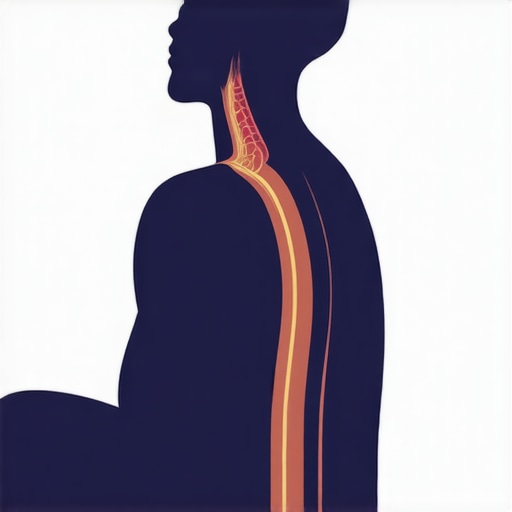
Begin by finding a comfortable seated or lying position where your spine is supported. Place one hand on your chest and the other on your back, just below your shoulder blades. Take a slow, deep inhale through your nose, focusing on expanding your ribcage sideways and backward, feeling your back rise under your hand. I once practiced this during a chaotic morning, initially coughing and wiggling as I struggled to coordinate the breath, but persistence paid off.
Engaging the Diaphragm Effectively
Visualize your diaphragm as a balloon expanding downward during each inhale. To promote this, try humming softly as you breathe in; this vibration encourages diaphragm activation. When I first tried this, I found myself shallow-breathing and forgetting to relax my shoulders, but I kept adjusting until I felt my back genuinely fill with air. Focus on keeping your shoulders relaxed and avoid excessive chest movement.
Using Gentle Pressure for Awareness
Place your hands gently on your lower ribs. As you breathe in, apply subtle pressure inward—like giving your ribs a soft hug—to deepen the expansion. This tactile cue helps you become aware of areas you might inadvertently neglect. I experimented with this by lying on my side, pressing into my ribs as I inhaled, which revealed tight spots I wasn’t aware of before.
Practicing with Dynamic Movement
Combine breathing with gentle spinal movements. For instance, as you inhale, softly arch your upper back, feeling your ribs expand. Exhale and slowly return to neutral. In a messy but instructive session, I practiced this while kneeling, leading to increased awareness of my spinal flexibility. This method stimulates the muscles involved in breathing, improving mobility over time.
Incorporating Regular Breath Focus
Set aside a few minutes daily to focus solely on this breathing technique. Sit with your back supported, breathe as described, and incrementally increase the duration. Consistency matters—over weeks, I noticed significantly less rib cage tension and improved posture. For additional strategies on restoring full mobility, check out this guide.
When it comes to chiropractic care and managing neck and back pain, many people hold onto misconceptions that can hinder their recovery and long-term health. One prevalent myth is that all chiropractors are simply quick fix providers, offering short-term relief without addressing underlying issues. In reality, true chiropractic practice emphasizes biomechanical correction and spinal health, often involving detailed assessments that go beyond just cracking bones. For example, focusing solely on symptom relief without understanding the root cause can lead to recurrence or worsening of problems, as discussed in this comprehensive guide. Another common mistake is believing that neck and back pain are solely musculoskeletal, neglecting the role of neurological and vascular factors—an oversight that can delay effective treatment and prolong discomfort. For instance, disregarding signs of nerve compression may lead patients to forgo specialized assessments like nerve conduction studies, which are critical for accurate diagnosis and tailored interventions. A significant nuance often overlooked is the importance of mobility variations across different body regions; many focus only on flexibility exercises for hamstrings or hips, but forget that thoracic spine mobility directly impacts neck and shoulder health. Optimizing this area can drastically reduce strain elsewhere, as explained in this resource.
Now, for a more advanced question—have you ever wondered why some people with perfectly ‘aligned’ spines still suffer from pain? The answer lies in the complex interplay between spinal structure, soft tissue health, and neural pathways. Even with good posture, dysfunction in muscles like the deep neck flexors or stabilization of the core can perpetuate pain cycles. Research highlights that factors like fascial restrictions or subtle joint misalignments not always detectable through standard imaging can still influence symptoms, underscoring the importance of a holistic, functional approach. For deeper insights, I recommend reviewing this article.
Avoiding typical traps involves understanding that quick adjustments are just part of the solution. Long-term improvement demands addressing lifestyle factors, movement patterns, and ongoing mobility exercises. For example, neglecting postural habits during work or sleep can undo even the best chiropractic interventions. That’s why integrating strategies like those found in mobility mastery tips is essential. Do you see yourself falling for these misconceptions or traps? Let me know in the comments—your experiences can help others navigate their path to pain-free living.
Maintaining spinal health and mobility isn’t a one-time effort—it’s an ongoing process that benefits from the right tools and consistent habits. Over the years, I’ve found that integrating specific equipment and software into my routine not only enhances my recovery but also helps prevent setbacks. One essential tool I rely on is a high-quality foam roller with a textured surface. It allows me to perform self-myofascial release, especially targeting tight areas around my thoracic and lumbar spine. I personally use the Rumble Roller because its firm density and TB40 pattern provide deeper tissue work, making it easier to break up fascia restrictions that contribute to neck and back pain. I regularly incorporate foam rolling into my morning routine to prime my muscles for mobility exercises and reduce stiffness before daily activities.
How do I maintain long-term mobility and pain-free movement?
For ongoing mobility, I recommend using a digital posture assistant app like Upright GO. It attaches discreetly to your back or upper chest and vibrates gently whenever you slouch. This immediate feedback trains you to maintain proper posture throughout the day, which is crucial in preventing chronic neck and back issues. Trust me, consistent feedback like this has significantly reduced my postural fatigue and improved my spinal alignment over time. Moving forward, I predict that wearable tech, combined with AI-driven analysis, will become even more personalized, offering tailored exercise recommendations that adapt to your progress and daily habits. Investing in these tools now can set the stage for sustained health and mobility.
What steps should I take to keep my back functioning well as I age?
Additionally, integrating software like this mobility protocol provides structured routines that focus on spinal decompression, flexibility, and stabilization. These routines are designed to address common deficits that develop over time, such as thoracic rigidity or core weakness. Consistency is key—making a habit of daily mobility work with these tools will reinforce your body’s resilience and reduce the risk of chronic pain. Remember, prevention is always better than needing extensive treatment later on. Try implementing a 10-minute foam rolling session followed by posture reminders from your app every day. Small investments in tools and habits now will pay off in long-term health and pain-free living.
The Hardest Lesson I Learned About Spinal Care
Sometimes, I spent years chasing quick fixes like band-aid solutions, only to realize that long-term spinal health demands consistent, mindful habits. The biggest insight was understanding that pain is often a symptom, not the root cause—and us humans tend to ignore underlying patterns until it’s too late.
Why Giving Up Short-Term Comfort Is Vital
In my journey, I discovered that prioritizing discomfort-free movement today paves the way for a resilient, pain-free back tomorrow. This meant embracing challenging mobility routines and resisting the temptation of instant relief that rarely lasts. Small, sustained efforts outweigh fleeting comfort, leading to lasting change.
My Evolving View on Posture and Movement
Initially, I believed perfect alignment was solely about static positions. Now, I understand it’s about dynamic, functional mobility—moving with purpose rather than perfection. This shift transformed my approach from static holding to active, fluid motion, fostering healthier spinal mechanics.
Deep Personal Discovery: The Power of Breath and Body Awareness
Breathing deeply into the back was a game-changer—something I often overlooked in my earlier routines. It’s astonishing how a simple shift in breath awareness can unlock tightness and restore mobility—an insight worth sharing with anyone battling persistent neck or back discomfort.
Strategies That Truly Contribute to Long-Term Mobility
Consistency in gentle mobility exercises, mindful breathing, and smart tool use—like foam rollers or posture apps—combine to build a resilient spine. Over time, these habits forge a foundation that not only alleviates pain but also prevents future issues. Remember, progress is cumulative; persistence pays off.
My Go-To Resources for Continued Growth
To deepen your understanding, I recommend tools like proven mobility strategies and insightful reads from top chiropractic experts. These resources have guided me through challenges and keep me inspired to prioritize spinal health daily.
Embrace Your Journey Toward Better Spinal Wellness
Remember, the path to lasting neck and back health isn’t about perfection but consistent improvement. Each mindful movement and intentional breath brings you closer to a resilient, vibrant spine that supports your best life. Keep moving forward—you’ve got this.