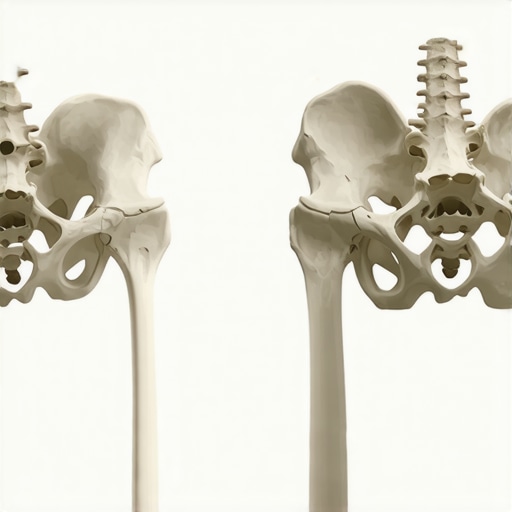
The 60-Second Hip Flexor Release for People Who Sit All Day
You know that sluggish, aching feeling that creeps into your hips and lower back after a long day of sitting? I used to brush it off as a normal part of modern life—just a sign I needed to stretch more, I thought. But one day, I realized it was more than just a nuisance; it was a warning sign from my body, telling me that my hips were tightening up and my mobility was slipping away. That moment was a lightbulb for me. I had to find a quick, effective way to loosen up—something doable between meetings or during a quick break. And that’s when I stumbled upon a simple, 60-second hip flexor release that changed everything.
Reclaim Your Movement in Just 60 Seconds
If you’re like me, spending hours seated daily, you might have already noticed how your hips feel stiff, your lower back nagging you, or even persistent aches that make simple movements uncomfortable. The good news is, you don’t need an hour-long stretch routine or a costly massage to make a real difference. There’s a quick, practical technique that I’ve come to swear by—one that requires only a minute but offers noticeable relief. It’s quick, effective, and easy enough to do right at your desk or in your living room. The beauty of this method is its simplicity; it’s a game-changer for reclaiming mobility without disrupting your busy schedule.
But before we dive into the technique, I want to address a common skepticism: Can a 60-second fix really impact what feels like deep-seated tension? My answer is a confident yes, if done correctly. I’ll share my personal mistakes too—early on, I underestimated the importance of proper form, which rendered my efforts ineffective. Once I corrected my approach, the results were immediate and motivating. Trust me, I’m not promising a miracle cure, but I am sharing a proven quick fix to start turning things around.
Curious to see how a tiny time investment can make your hips and back feel better? Keep reading, because I’ll guide you through the best way to relieve tight hip flexors and regain your movement freedom. Whether you sit for work or leisure, this technique is your new best friend for combating the stiffness that sneaks up on all of us.
Get into Position with Precision
Start by kneeling on one knee, with the opposite foot flat on the ground, forming a 90-degree angle. Place your hands on your front thigh for balance. I remember one hectic morning when I was rushing between meetings, and I struggled initially to find the right angle, but persistence helped me get comfortable quickly. This position isolates your hip flexors, making the release effective.
Apply Gentle Pressure and Breathe
Bring your hips slightly forward to feel a gentle stretch in the front of your hip. Now, lean slightly into this stretch, imagining you’re pushing through a soft foam pad—this analogy helped me avoid overdoing it. Maintain this pressure while taking deep, controlled breaths. My first attempt was a bit messy; I pushed too hard and felt discomfort, but adjusting the pressure made all the difference. Focus on relaxing your muscles as you breathe out, encouraging the fascia to release.
Hold and Focus on Your Body’s Signals
Hold the position for 30-60 seconds, paying close attention to how your muscles respond. I noticed that during this hold, my hip gradually felt more relaxed—a sign I was on the right track. If you experience sharp pain, back off slightly. Remember, your fascia is like a dense sponge; it responds to gentle, sustained pressure rather than aggressive force.
Switch Sides and Repeat
After completing one side, switch to the other. I make it a point to do this on both hips to maintain balance. Consistency matters; performing this release daily can significantly loosen tight hip flexors and improve mobility over time. If you’re unsure about technique or want personalized guidance, consider exploring chiropractic techniques that enhance mobility—check out this resource.
Integrate into Your Routine
This quick fix is perfect during breaks or even between chores. Over time, it helps prevent the cycle of stiffness and discomfort, keeping you active and pain-free. I found that pairing this with regular mobility exercises, like the ones described in chiropractic techniques, dramatically boosted my progress. Remember, small daily steps lead to lasting change, and this 60-second practice is a powerful tool in your mobility arsenal.
Myth Busting: What Most People Get Wrong About Mobility
Many believe that consistent stretching alone can resolve all mobility issues, but this oversimplification often leads to frustration and stagnation. As an expert, I observe that mobility isn’t just about lengthening muscles—it’s about restoring proper fascial function and joint harmony. Overemphasis on stretching can even exacerbate problems if it neglects underlying joint restrictions or fascia adhesions. According to Dr. Stu McGill, a leading spine researcher, addressing joint health and fascial integrity is crucial for sustainable mobility improvements. Chiropractic care often targets these nuanced issues that typical stretching routines overlook. Remember, true mobility enhancement requires a holistic approach, not just a quick fix.
Common Pitfall in Chiropractic and Back Health
A frequent mistake I see is patients relying solely on passive treatments like adjustments without engaging in active strength and stability work. While chiropractic adjustments can realign joints and relieve immediate pain, neglecting muscle strength and neuromuscular control can lead to recurrent injuries. This is why I recommend integrating chiropractic techniques with targeted movement exercises. Failing to do so creates a cycle of dependency that delays true recovery. Think of adjustments as resetting your system, but the real progress happens when you actively rebuild stability and resilience.
How can advanced mobility work prevent chronic pain from sneaking back?
Advanced mobility strategies focus on addressing the root causes—such as fascial restrictions, joint limitations, and neuromuscular imbalances—rather than merely alleviating symptoms temporarily. By using techniques like myofascial release and neuromuscular re-education, you can create lasting change. A study in the Journal of Bodywork and Movement Therapies shows that combining manual therapy with targeted exercises significantly reduces recurrence of back pain. This integrated approach is essential for long-term health rather than short-lived relief.
Be cautious of falling into the trap of passive-only treatments or quick fixes. Instead, develop an active, informed plan that addresses your specific needs. Want personalized guidance? Reach out to us for tailored advice that goes beyond the basics. Have you ever fallen into this trap? Let me know in the comments.
Maintaining your mobility and keeping pain at bay requires more than just quick fixes; it demands a strategic approach utilizing proven tools and methods that support your spine’s health over time. One of my personal favorites is incorporating a foam roller into my routine. Specifically, I use a medium-density foam roller because it balances firmness with comfort, helping to release fascia adhesions that can contribute to chronic discomfort. Regular self-myofascial release with a foam roller can prevent the buildup of tightness and improve circulation, making daily activities less taxing on your back.
Another essential tool I rely on is a posture-cing-based app, such as Upright GO. This device attaches subtly to your upper back or neck and provides real-time feedback when you slouch. It’s highly effective because it promotes consistent self-awareness, which is vital for long-term posture correction. I’ve found that gentle reminders to sit or stand properly cumulatively lead to lasting habits, reducing strain and pain over weeks and months. As the trend toward digital health continues, these smart tools are evolving to offer even more personalized feedback, truly empowering users to take control of their spinal health.
For strengthening and stability, I recommend resistance bands tailored for physical therapy purposes. The bands are versatile, affordable, and portable—making them perfect for at-home use or on the go. I favor the loop bands for their ability to activate deep stabilizers in the hips and core, which are crucial for supporting your entire spine. Incorporating targeted resistance exercises using bands has been shown to improve neuromuscular control and prevent recurrent injury, especially when combined with professional guidance from a chiropractor or physiotherapist. Learn more about how targeted exercises can complement your routines in chiropractic care strategies.
Additionally, investing in a quality ergonomic chair and a sit-stand desk setup can make a significant difference in your daily spinal health. I personally adjust my workspace throughout the day, alternating between sitting and standing, to reduce prolonged pressure on my lumbar and cervical regions. Proper ergonomics not only alleviates pain but can also prevent the development of persistent postural issues. For tips on optimizing your workspace, check out this guide.
Looking ahead, I predict that integrating smart technology with personalized chiropractic and physiotherapy programs will become the norm. Wearable devices will continue to evolve, offering real-time data and tailored exercises that adapt to your progress, making long-term maintenance more accessible than ever. This seamless blend of technology and manual care holds promise for truly sustainable results.
How do I sustain my mobility and back health in the long run?
The key is consistency and leveraging the right tools. Incorporate regular self-myofascial release, like foam rolling, into your routine to keep fascia pliable. Use smart feedback devices, such as posture trainers, to develop good habits. Strengthen your core and stabilizer muscles with resistance bands, and optimize your workspace ergonomics to reduce strain. Remember, progress is incremental, so commit to small daily habits that reinforce your body’s natural capacity for resilience. If you’re ready to take your long-term plan to the next level, consider consulting a professional for guidance tailored to your unique needs. Want personalized advice? Reach out to us to start your journey toward sustained mobility and pain-free living.
What I Wish I Had Known Before Starting My Mobility Journey
It took me years of trial and error to realize that quick fixes rarely lead to lasting change. The hard lesson was understanding that true mobility improvements require consistent effort and addressing fascial restrictions, not just stretching. I also discovered that proper form and personalized guidance make all the difference—something I overlooked early on. Lastly, I learned that integrating tools like foam rollers and posture feedback devices exponentially improved my progress, steering me away from false shortcuts.
My Go-To Tools for Supporting Spinal Wellness
For anyone serious about enhancing mobility, I highly recommend the chiropractic care approach which addresses joint and fascia health effectively. The techniques I use daily involve gentle manual therapy complemented by targeted exercises. A foam roller, especially a medium-density one, has been invaluable for self-myofascial release, preventing tightness. Lastly, digital tools like posture apps serve as great reminders to maintain good habits throughout the day—empowering me to stay aligned and pain-free.
Embrace the Power of Small Steps for Big Change
Remember, progress in spinal health doesn’t come from massive overhauls overnight but through persistent daily habits. Little things like quick hip flexor releases, mindful posture checks with smart devices, and simple resistance exercises build resilience over time. Staying consistent, seeking personalized advice when needed, and leveraging effective tools will set you on a path toward sustained movement freedom. Your journey to a healthier back and neck is within reach—start today, and don’t hesitate to reach out for expert guidance to make your mobility goals a reality.