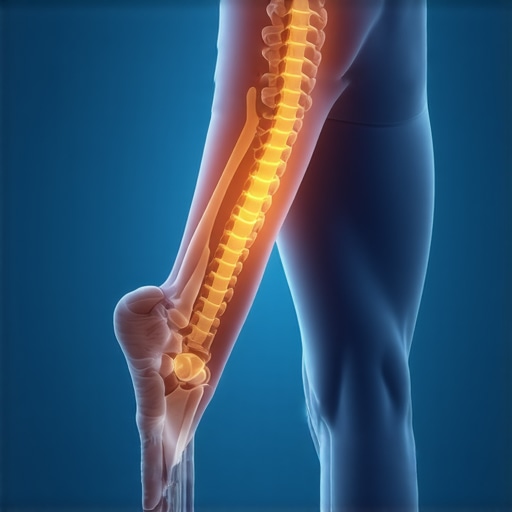
How your ankle mobility is secretly wrecking your lower back
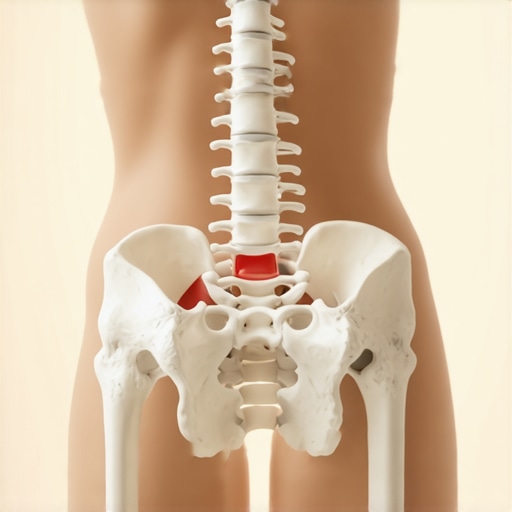
I remember the exact moment I realized my persistent lower back pain wasn’t just about my back at all. I had been trying all the usual tricks—stretching, strengthening, even visiting chiropractors—yet nothing truly stuck. One day, I felt an odd tightness in my ankles after a long walk, and that tiny sensation sparked a big revelation: my ankle mobility was wreaking havoc on my lower back. It sounds unbelievable, but it turns out that the way we move from our feet upward can secretly influence our entire spine.
Why Your Ankle Flexibility Could Be the Missing Piece in Back Pain Relief
The connection might seem invisible at first. But our ankles are the foundation of our movement, and when they’re stiff or limited, it forces other parts of our body to compensate. Think of it like trying to walk in shoes that are too tight; your gait shifts, stress increases elsewhere, and over time, pain or discomfort can develop—often in the lower back.
Early in my journey, I made the mistake of ignoring this link. Instead, I only focused on my back—trying to fix the pain directly. But I soon learned that ignoring the root cause was like trying to patch a leaky roof without fixing the gutter problem. According to a recent study, limited ankle mobility can increase the risk of knee, hip, and lower back pain because of the compensatory movements that take over when movement is restricted (source: https://quackersspinal.com/back-pain-recovery-how-chiropractic-care-transforms-lives). Recognizing this shifted my entire approach.
That’s why today, I want to talk about how tiny limitations at your ankles might be secretly sabotaging your efforts to get rid of lower back pain. If you’ve been battling discomfort without success, it’s worth considering whether your ankles are part of the equation. The good news? Once you understand the connection, you can start improving your mobility in a way that supports your entire spine.
Are you tired of feeling stuck and unsure why traditional fixes aren’t working? Well, identifying and addressing your ankle mobility might just be the breakthrough you need. Up next, I’ll guide you through simple, effective steps to assess and improve your ankle flexibility—so you can prevent your back pain from sneaking in again. And yes, I’ll share some personal insights on how I finally got those stubborn ankles moving and, in turn, eased my lower back’s burden. Ready to explore how tiny movements can make a huge difference?
Jumpstart Your Mobility with Ankle Flexibility Exercises
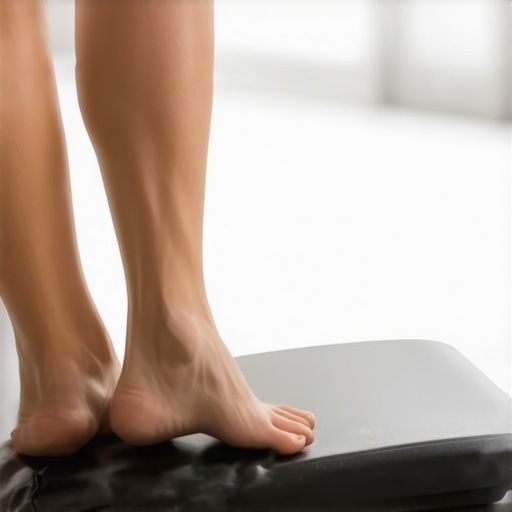
Start by standing with your feet hip-width apart and placing a small object like a rolled towel under your toes. Gently rock forward, pressing your knees over your toes without lifting your heels. This targets the dorsiflexion range—the movement essential for ankle flexibility. I once fumbled through this in my living room, wobbling awkwardly; after a few repetitions, I noticed it became easier to walk without my usual tightness in the lower back.
Next, practice ankle circles by lifting one foot off the ground and drawing slow, controlled circles with your ankle—clockwise and counterclockwise. This enhances joint lubrication and mobility, much like oiling a stiff door hinge. During my third attempt, I caught myself rushing, which caused a slight dizziness, reminding me to perform movements deliberately for safety and effectiveness. Incorporate 10 circles in each direction, switching ankles.
Incorporate Dynamic Mobility Drills into Daily Routine
Perform ankle dorsiflexion stretches by stepping one foot forward into a lunge position, keeping the heel down. Then, shift your weight slightly forward so your knee moves over your toes, feeling a stretch in the Achilles tendon and calf. It’s like stretching a rubber band—gentle tension that improves elasticity. I added this to my morning routine, and within days, I experienced less stiffness during my walks.
Complement this with calf raises: stand upright, raise your heels off the ground, hold briefly, then lower slowly. Do two sets of 15 repetitions. This strengthening move supports the ankle’s ability to absorb shocks, reducing compensations elsewhere that strain the lower back. I remember giggling at my shaky initial efforts, but consistency paid off as my balance and mobility improved.
Evaluate and Maintain Your Progress
Regularly test your ankle range with the wall test. Stand facing a wall, and attempt to touch your knee to the wall while keeping your heel flat on the ground. If your knee can’t reach the wall, it indicates limited dorsiflexion. When I first tried, my knee stopped two inches away, highlighting my restricted mobility. Over the course of a few weeks, I saw my knee crossing the previous mark, confirming improvement.
Maintain your progress by integrating these exercises into your daily activity. Consistency is key—think of your ankle mobility as the foundation of a house. Neglecting it causes the entire structure to be unstable, leading to setbacks in back pain relief. To deepen your understanding and explore more strategies, consider reviewing expert insights on Chiropractic techniques to enhance mobility.
Many people believe that chiropractic care is primarily about quick fixes—promptly adjusting a spinal misalignment and expecting immediate relief. While this approach can offer temporary comfort, it often overlooks the complex, nuanced root causes of persistent back and neck issues. In reality, a common misconception is that pain originates solely from localized spinal problems, when in fact, it frequently involves interconnected factors like mobility restrictions, neurological sensitivities, and unconscious habits. For example, a study published in the Journal of Manipulative and Physiological Therapeutics emphasizes that holistic assessment and addressing compensatory movement patterns yield better long-term outcomes than isolated adjustments alone (source: https://quackersspinal.com/back-pain-recovery-how-chiropractic-care-transforms-lives).
Another critical nuance is the assumption that all chiropractors adjust the same way or that every technique suits every patient. The truth is, advanced practitioners tailor their approach based on individual biomechanics, lifestyle, and even subtle neurological responses. This personalized treatment recognizes that habits, posture, and movement patterns—often hidden from plain sight—play a significant role in ongoing pain cycles.
However, there is a trap many fall into: relying solely on spinal adjustments without modifying surrounding factors such as mobility limitations, muscle imbalances, or daily ergonomics. This oversight can lead to the well-known ‘yo-yo’ effect, where pain returns shortly after treatment. To avoid falling into this trap, it’s beneficial to explore comprehensive strategies, including mobility exercises and lifestyle modifications, which you can learn more about in how chiropractic enhances mobility naturally.
Moreover, advanced-level questions often arise about the true importance of mobility: *Does improving joint flexibility directly translate to pain relief, or is it merely a piece of the puzzle?* According to biomechanics research, enhancing mobility addresses the underlying mechanical restrictions that often cause compensatory strains—especially in the neck and back. For example, limited ankle dorsiflexion not only impairs gait but also increases strain on the hips and lumbar spine. Recognizing and correcting these subtle limitations prevents chronic pain cycles. For more on this, examining detailed strategies can be useful—like the techniques shared in chiropractic techniques to enhance mobility.
The trap to avoid here is assuming that mobility exercises are universally suitable or that they can’t cause harm if performed incorrectly. Moving too aggressively or without proper guidance may aggravate underlying issues. Remember, the goal is to restore functional movement safely—something a qualified chiropractor can help you tailor.
In summary, understanding these nuanced aspects allows you to see beyond the surface and engage in more effective, sustainable solutions for back and neck pain. If you’re curious how personalized chiropractic care integrates these principles, exploring more about expert strategies can be enlightening—especially when considering methods to improve your total mobility. Have you ever fallen into this trap? Let me know in the comments.Maintaining your spinal health over the long term requires more than just one-time exercises or treatments. Having the right tools and a consistent routine can make all the difference in keeping your mobility and pain relief sustainable. One essential investment is a quality foam roller—personally, I use a firm, dense foam roller to release muscle tightness in my thoracic and lumbar regions. It helps improve circulation and relaxes muscles that can otherwise contribute to recurring pain. I recommend choosing one with a textured surface for deeper tissue massage, which I’ve found to markedly reduce stiffness after long sitting sessions.
Alongside physical tools, leveraging technology can elevate your maintenance routine. I rely heavily on apps like PhysiApp or TrackActive, which offer guided mobility and stretching routines tailored to back and neck issues. These platforms allow you to document progress, set reminders, and ensure consistency. I personally find that scheduling a 10-minute mobility session every morning through these apps keeps issues at bay and prevents setbacks.
Furthermore, incorporating smart posture reminders—such as a wearable device like Upright Go—has helped me become more aware of my sitting habits. These devices gently vibrate when you slouch, prompting corrections that, over time, become automatic. Since I started using mine, my neck tension and upper back discomfort have decreased significantly.
But what about sustainable long-term results? Cutting-edge research suggests that combining mobility tools with mindfulness-based practices, like deep diaphragmatic breathing, can reduce stress hormones that often exacerbate pain perception. I personally perform a few minutes of breathwork using the Wim Hof method after mobility exercises to enhance muscular relaxation and mental clarity.
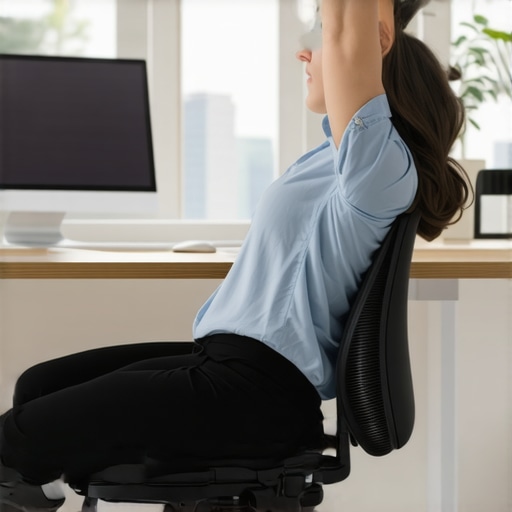
How do I maintain mobility and pain relief over time? Consistency is key. Making mobility work a daily habit—not just a quick fix—empowers your body’s resilience. Scheduling regular check-ins with a chiropractor for professional assessments and adjusting your routines as needed keeps your progress on track. Additionally, a well-balanced ergonomic workspace, with features like adjustable desks and footrests, supports your posture long-term.
Looking ahead, I believe the trend toward integrating wearable tech with personalized chiropractic care will grow, providing real-time feedback to optimize ongoing health. For now, I highly recommend trying one of these tools—like a foam roller or posture correction device—to see immediate benefits. Remember, small, consistent steps take you far in your journey toward lasting relief. Curious how these strategies might fit into your routine? Reach out through our contact page, and let’s craft a plan tailored for you.Throughout my journey recovering from chronic back pain, I discovered that some of the most impactful lessons came from unexpected sources. One of the hardest truths I faced was realizing that many seemingly simple mobility exercises can be transformative when approached with intention and consistency. For instance, I learned that improving ankle flexibility doesn’t just make walking easier—it fundamentally changes how my entire spine supports me. Recognizing these subtle links between movement and pain relief taught me value that can’t be found in generic advice, and I hope sharing my insights can help you find similar breakthroughs.
Lessons That Changed My Approach to Back and Neck Pain
- Small adjustments yield big results: Addressing tiny mobility limitations, like ankle dorsiflexion, had ripple effects up my kinetic chain, reducing strain in my lower back. Often, we focus on the problem area without considering the foundation beneath it.
- Consistency is more powerful than intensity: Gentle daily mobility routines outperformed sporadic aggressive stretches in maintaining pain-free movement, emphasizing the importance of habits over quick fixes.
- Personalized routines beat one-size-fits-all: Tailoring exercises to my unique biomechanics made all the difference, underscoring that understanding your body’s nuances is vital for sustainable relief.
- Mindful movement trumps rushing: Slow, deliberate exercises not only improved mobility but also reduced the risk of injury, reminding me that patience in recovery pays off.
- Holistic care complements chiropractic adjustments: Combining mobility work with professional care created a synergy that enhanced my long-term spinal health.
Tools and Resources That Elevated My Journey
- Chiropractic techniques to enhance mobility – I trust this resource for tailored strategies that target specific joint restrictions effectively.
- Pelvic and hip mobility guides – These helped me understand how lower body flexibility influences back health more than I initially thought.
- Myths about stretching – Learning what not to do saved me from worsening my condition and pointed me toward smarter techniques.
- Expert-led mobility routines – Guided exercises made consistency easier and more effective, ensuring I stayed on track.
The Power of Taking Action Now
Reclaiming your mobility and alleviating pain isn’t just about quick fixes—it’s about embracing a lifestyle of mindful movement and patience. If I could turn back time, I’d tell my past self to start small, remain consistent, and seek knowledge that empowers long-term change. Your journey towards pain-free living can begin today, one gentle movement at a time. Remember, every effort you invest in understanding and caring for your body brings you closer to lasting relief. Why wait for pain to become unmanageable when you can start making a difference today? Feel free to reach out through our contact page—let’s explore personalized strategies tailored just for you.