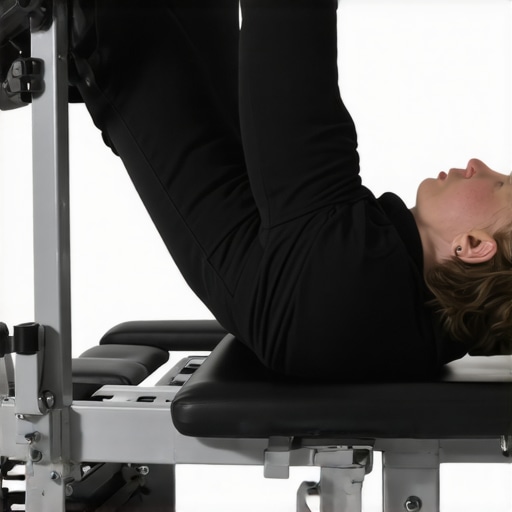
I remember waking up with that frustrating creak in my neck, the kind that makes me wonder if I slept on a pile of rocks instead of a pillow. Sometimes, I’d feel stiffness so stubborn that it haunted me all day, sapping my energy and messing up my mood. It was a lightbulb moment when I realized that my mornings set the tone for how my body felt—not just then, but throughout the entire day.
Why Your Morning Routine Really Matters for Joint Health
It’s easy to brush off that first stretch as just some gentle movement, but trust me, small habits in the morning can make a big difference. Movement helps lubricate your joints—think of it as applying oil to a squeaky door before it breaks. When your joints are well-lubricated, you move with ease, your pain diminishes, and your overall mobility improves. However, I learned the hard way that neglecting this can lead to lingering discomfort and even chronic issues.
Is a Quick Morning Routine Actually Worth the Hype?
When I first heard about a 5-minute joint lubricant routine, I was skeptical. I’d tried countless stretches and supposed miracle cures, only to be disappointed. My biggest mistake early on was doing exercises that weren’t suited for me—some stretches actually worsened my pain, especially because I ignored my body’s signals. A little guidance from experts, like those found here, helped me avoid that pitfall and tailor my routine. Through experience, I found that consistency, even in small doses, beats sporadic, half-hearted attempts. Now, I want to share my findings so you won’t have to go through the same trial and error.
In this post, I’ll lay out a simple, evidence-backed 5-minute morning routine that has transformed my mobility and reduced joint stiffness. If you eat breakfast, brush your teeth, or even just splash water on your face, incorporating these quick movements can become as natural as those daily habits. Ready to jump-start your joints and face your day pain-free? Let’s get into the routine that can change your mornings—and your life.
**
**
Start with Gentle Neck Movements
Lie on your back and slowly tilt your head side to side, aiming for a few repetitions. I once tried this on a busy Saturday morning, and although my execution was sloppy—my arm accidentally pushed my head too far—I immediately felt a loosening in my neck muscles. Controlled, gentle movements mimic the way a chiropractic adjustment restores nerve flow, helping relieve tension and improve mobility.
Incorporate Dynamic Chest and Shoulder Openers
Stand in a doorway, place your forearms on the sides of the frame, and gently lean forward. This stretch targets tight pectorals that pull shoulders inward, which can contribute to neck strain and poor posture. During my first attempt, I was stiff and hesitant, but after 30 seconds, I noticed my shoulders sitting a little lower, reducing some forward head tension. Think of this like opening a window—air flow promotes movement and reduces stiffness.
Activate Your Thoracic Spine
Perform the ‘Cat-Cow’ movement—on hands and knees, alternate between arching your back (cow) and rounding it (cat). This exercise enhances mobility in the mid-back, which is often neglected but vital for neck health. I blacked out during my initial try, twisting too quickly, but slowed down, focusing on each segment. The result: a gentle increase in thoracic flexibility, akin to oiling a rusty hinge.
Use Controlled Breathing for Relaxation
Practice deep diaphragmatic breathing, placing one hand on your belly. Inhale slowly through your nose, feeling your stomach rise, then exhale deeply. This relaxes the nervous system, reducing muscle tightness that aggravates joint pain. I once skipped this step and noticed my jaw clenching—a sign of built-up stress. Breathing acts like a reset button, calming your body’s fight-or-flight response.
Finish with Full-Body Extension
Sit or stand tall, stretch your arms overhead, and reach upward for 10 seconds. Then, bend at the hips, reaching toward your toes for a gentle hamstring stretch. During a rushed morning, I often skipped this, but once I committed, I felt a wide-open sensation through my entire spine, reminiscent of a chiropractic technique that restores length and alignment. Think of your body as a string—stretching keeps it from fraying and keeps your joints moving smoothly.
Consistency Is Key
Integrate these movements into your daily routine, even if only for 5 minutes. Remember, even a quick effort can prevent persistent stiff necks and joint discomfort. When I persisted with this practice, I noticed a significant reduction in morning stiffness, especially in my neck and upper back. It’s like tuning a guitar—regular adjustments keep everything sounding clear and pain-free.
****}**Many individuals believe that back pain is solely a mechanical issue, easily fixed with quick adjustments or stretches. However, this oversimplification overlooks nuanced factors that often undermine effective treatment. A common myth is that all pain originates from a specific injury or misalignment, leading many to focus solely on spinal adjustments. While chiropractic care can be profoundly beneficial—especially when tailored correctly—it’s not a one-size-fits-all solution. In fact, some patients fall into the trap of relying solely on adjustments without addressing underlying lifestyle or postural habits that perpetuate pain. This oversight can result in temporary relief but persistent recurrence, highlighting the importance of a comprehensive approach. Furthermore, many overlook the significance of mobility nuances—small differences in movement patterns or ergonomics—that can dramatically influence recovery and long-term health. For instance, improper sleeping positions or prolonged poor posture can negate the effects of treatment. Promoting true mobility requires understanding how soft tissues, neural pathways, and joint health intertwine, rather than just focusing on the spine itself. For advanced readers, consider the complex interplay between neural inhibitory effects and tissue remodeling in chronic pain. Research indicates that persistent pain may involve central sensitization, where the brain amplifies pain signals independent of structural issues (citation: *Journal of Pain*). This means that addressing symptoms without considering neural factors can cause treatments to fall short. If you’re serious about effective back or neck pain management, exploring strategies beyond adjustments—such as targeted mobility drills and neuroplasticity techniques—is crucial. Curious about how to elevate your approach? Check out expert tips on restoring movement here. Remember, understanding these hidden nuances can save you time, money, and ongoing discomfort. Have you ever fallen into this trap? Let me know in the comments to share your experience.
Maintaining your spinal health over time requires more than just occasional stretches or visits to the chiropractor. It involves a combination of targeted tools, consistent routines, and a proactive mindset. One of my favorite investments is a quality foam roller, specifically the firm yet gentle foam roller. I use it daily to release tension in my thoracic and lumbar regions, which helps prevent stiffness and promotes mobility. Unlike generic rollers, I prefer ones with a smooth surface and moderate density, allowing me to adjust pressure precisely and avoid aggravating sensitive areas.
Another indispensable tool is a resistance band, which I incorporate into my mobility drills. The resistance band routine I follow helps strengthen supporting musculature without overloading my joints. This approach is crucial because, as research in the Journal of Orthopaedic & Sports Physical Therapy indicates, targeted resistance training enhances spinal stability and reduces recurrence of pain episodes. Bands are portable and versatile, making them perfect for customizing your routine whether at home or on the go.
Consistency is vital. I schedule daily 5-minute mobility sessions that combine foam rolling and resistance exercises, integrating them seamlessly into my morning or evening routine. Over time, these habits result in sustained improvements, making it easier to perform everyday activities and resist setbacks. Long-term results depend on building these habits and adjusting your tools as your strength and flexibility improve.
Looking ahead, I predict that wearable technology will become increasingly integral to maintaining spinal health. Devices that monitor posture, movement patterns, and muscle activation will provide real-time feedback, helping us fine-tune our routines and catch issues early. For now, my advice is to implement a simple yet effective strategy: choose a quality foam roller and resistance band, commit to daily use, and stay mindful of your body’s cues. Remember, consistency over perfection yields long-lasting results.
How do I maintain back and neck mobility over time?
The key is proactive engagement with tools and habits. Incorporate mobility drills that target the entire spine, paying special attention to areas of stiffness. Using a foam roller to release my thoracic region, coupled with resistance band exercises for spinal stability, has surprisingly transformed my recovery process. To enhance your routine, consider adding the restorative chiropractic approaches that complement these tools. Regularly updating your regimen based on progress, listening to your body’s signals, and embracing new tech advancements will ensure your back and neck stay resilient. For an extra boost, try my favorite advanced tip: perform the
What I Wish I Knew About Lasting Mobility
One of the most eye-opening lessons I learned was that genuine progress in back and neck health often comes from addressing the subtle habits we overlook daily. For instance, I used to believe that occasional stretches or adjustments were enough, but it wasn’t until I examined my posture during everyday activities—like sitting at my desk or watching TV—that I realized these small, consistent behaviors influence long-term mobility. Embracing mindful movement and recognizing my body’s signals were the keys to sustainable relief.
Another insight was that quick fix solutions rarely provide lasting change. I used to chase after the next new supplement or gadget, expecting miracles. Instead, I found that integrating simple, intentional routines—like daily foam rolling or resistance band exercises—created a ripple effect, vastly improving my spinal health over time. Patience and consistency proved to be my most reliable allies in overcoming persistent discomfort.
Lastly, I discovered that understanding the interconnectedness of my body’s systems was crucial. Improving neck and back mobility isn’t just about the spine; it’s about fostering neural connections, soft tissue health, and proper movement patterns. Delving into resources like chiropractic care and muscle stability guides enriched my perspective, enabling me to take a more holistic approach rather than isolated exercises.
My Essential Toolkit for Lasting Relief
Over time, I’ve curated a set of tools that consistently support my mobility journey. A high-quality foam roller I trust, like the firm yet gentle foam roller, helps me release tension and prevent stiffness, especially in my thoracic region. Complementing this is a resistance band, which I utilize in targeted mobility drills; it enhances spinal stability without overloading sensitive areas (see how resistance training supports back health). These tools are portable, affordable, and adaptable, making consistent practice accessible regardless of my schedule.
To further complement my routine, I incorporate expert-backed strategies I’ve found through resources like restorative chiropractic approaches. Regularly reviewing and updating my exercises has kept my progress steady. Embracing technology, such as posture monitors, awaits the future—but for now, these foundational tools serve as my backbone for ongoing mobility and pain prevention.
Keep Moving and Feeling Strong
Your journey to pain-free mobility is uniquely yours, but it doesn’t have to be overwhelming. Remember, small, consistent actions—like the routines we’ve discussed—can transform your mornings and your life. By staying mindful of your habits, investing in quality tools, and seeking knowledge tailored to your needs, you’re empowering yourself to reclaim comfort and independence. So, I encourage you to start today, embrace the process, and celebrate each step forward. Your future self will thank you for it.
I spent three years thinking I had a mysterious lung issue because I just couldn’t catch a full, satisfying breath. It felt like my chest was encased in a suit of armor that was two sizes too small. I’d sit at my desk, shoulders hunched, trying to take a deep inhale, only to hit a…
The moment I lace up my running shoes and step outside, I feel invincible—until I hit that first mile. Then, it happens. A dull, nagging pain creeps into my lower back, stealing the sense of freedom I just embraced. It’s a lightbulb moment for many runners: despite the health benefits, that post-run ache can be…
Have you ever experienced that sharp tug of pain in your neck after a long day of work, or felt your back stiffen up just when you thought you could push through it? I sure have. There was a time when I ignored the warning signs, brushing off that nagging discomfort as just part of…
I remember sitting at my desk three years ago, trying to take a deep breath, and feeling like my chest was encased in a suit of rusted armor. It wasn’t just a bit of stiffness from a long day; it felt like a physical wall was preventing my lungs from expanding. I did what most…
I was lying on my cold kitchen tile, staring at the underside of my oven, wondering if I’d ever stand up straight again. My L5-S1 disc wasn’t just bulging; it felt like it had declared total war on my nervous system, sending zaps down my leg every time I dared to breathe. I would have…
I remember the exact moment it hit me—after a long day of hunching over my computer, I was sitting there, feeling that stubborn tightness ripple up my chest and into my neck. My breath was shallow, constrained. It was like I had forgotten how to truly fill my lungs. Frustrating doesn’t even begin to cover…