Stop Leaning on One Leg While Waiting in Line to Save Your Hips
I remember the exact moment I realized my habit of leaning on one leg while waiting in line was doing more harm than good. It was a chilly Saturday at the grocery store, and I was trying to balance my shopping bags while waiting to check out. Suddenly, I felt a sharp twinge in my hip—and it lingered for days. That lightbulb moment made me rethink even the tiniest posture habits we often dismiss.
The Hidden Damage of a Simple Habit
Small habits can silently chip away at our body’s health. Leaning on one leg might seem harmless—after all, everyone does it at some point. But over time, this small shift can lead to uneven wear in your hips, strain in your lower back, and even contribute to longer-term mobility issues. It’s so easy to fall into this pattern without realizing, especially when we’re distracted or impatient. The good news? Recognizing this is the first step to change, and it’s often easier than you think.
Is Leaning on One Leg Really Worth the Hype?
You might be skeptical, thinking, “It’s just a habit; does it really matter?” Trust me, I used to believe the same until I saw how my own posture affected my hips and back. Early on, I made the mistake of ignoring those minor discomforts, brushing them off as temporary. That was a mistake. The truth is, small habits like this can silently worsen over time, leading to issues that are much harder to fix later. Our bodies thrive on balance and symmetry. When you consistently favor one side, you’re essentially asking your joints and muscles to work overtime just to compensate.
Let me assure you, this isn’t just about avoiding aches; it’s about preventing long-term mobility loss. According to a study by the National Institutes of Health, asymmetrical movements and postures can significantly influence joint health and contribute to conditions like hip osteoarthritis over years (NIH, 2020). So, this small change today could save your hips years down the line.
If this sounds familiar—if you’ve ever caught yourself shifting weight or leaning on one leg—know that you’re not alone. And the good news? We’re going to turn this insight into action, with simple, effective steps to help you maintain better posture during everyday routines. Ready to start? Let’s dive into how you can make this habit work in your favor instead of against your hips.
Start with Awareness
To break the habit of leaning on one leg, first identify when and where you typically do it. Pay close attention during daily activities like waiting in line or at your desk. Use a mirror to observe your stance and notice if you favor one side. This initial step sets the foundation for effective correction.
Implement Micro-Adjustments
Begin by consciously shifting your weight evenly on both feet whenever you catch yourself leaning. Think of your pelvis as a balanced scale; keep it level by engaging your core muscles gently. During a personal story, I once paused mid-queue, stabilized my pelvis, and shifted weight intentionally. The result? Reduced discomfort and a more upright posture over time.
Strengthen Your Support Muscles
Focus on exercises that target the glutes, core, and hip stabilizers. For example, simple glute bridges or clamshells can enhance muscle support, making it easier to maintain proper alignment naturally. I incorporated 10 minutes of these exercises daily and noticed a decrease in imbalance-related aches within weeks.
Use Visual Cues and Reminders
Set alarms on your phone or place sticky notes in visible areas to prompt you to check your posture. Over time, these cues build habits that become second nature. I used a small reminder sticker on my coffee mug: “Stand Tall!” and it became a trigger to reset my stance during morning routines.
Leverage Proper Footwear and Surfaces
Select shoes with good arch support and avoid uneven surfaces when possible. A stable footing encourages balanced posture. During a recent shopping trip, I opted for orthotic insoles, which provided better support, making it easier to stand evenly and reduce the tendency to lean on one side.
Practice Mindful Posture Counts
Set a timer for intervals—say every 15 minutes—and briefly check in with your stance. Are you leaning? Is your pelvis level? Use this moment to correct your position consciously. This mindfulness approach accumulates into a more natural, balanced posture, decreasing strain on your hips.
Seek Expert Guidance When Needed
If habitual leaning persists despite these efforts, consider consulting a chiropractor. They can assess your specific biomechanics and recommend targeted adjustments. For personalized support, visit Quacker’s Spinal Care to schedule a professional evaluation. Remember, small consistent efforts lead to lasting change and better hip health.
Many people believe that chiropractic treatment is a quick fix for back and neck pain, but here’s the catch: the truth is far more nuanced. A common misconception is that all chiropractors aim solely to realign the spine through repetitive adjustments, and that once pain subsides, the problem is solved. However, this oversimplification misses the importance of understanding underlying mechanics and the body’s complex response to treatment. According to a study published in the Journal of Manipulative and Physiological Therapeutics, effective chiropractic care combines adjustment with patient education and movement strategies, emphasizing a holistic approach rather than just realignment.
Are Chiropractors Overlooking Long-Term Mobility?
Some practitioners focus on symptomatic relief and neglect the real goal—restoring and preserving mobility. This oversight can lead to temporary fixes that ignore underlying issues like muscle imbalances, joint restrictions, or movement patterns. Consequently, pain might return, sometimes worse than before. A recent review in the European Spine Journal highlights that integrating mobility exercises into chiropractic protocols significantly improves outcomes long-term. If you’re interested in proactive strategies, explore techniques to *relieve neck and back discomfort using these expert methods* or *mastering back and neck pain relief tips from the pros*.≺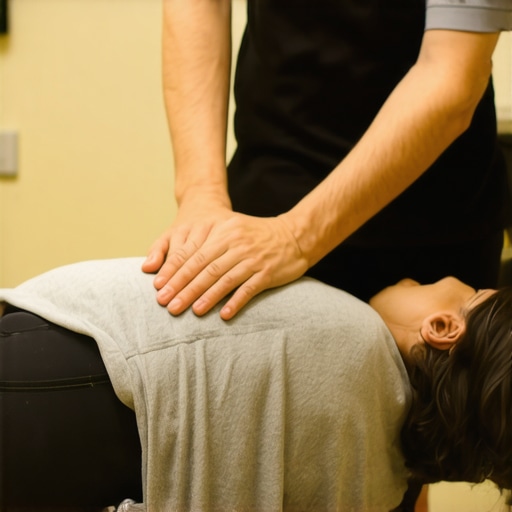 ≻Understanding these nuances helps prevent the trap of relying solely on adjustments without addressing root causes, which is critical for sustainable pain management. Remember, the goal isn’t just temporary relief but restoring optimal movement and function. Curious if your current approach aligns with these insights? **Have you ever fallen into this trap?** Let me know in the comments.
Another misconception involves the belief that chiropractic adjustments are risky or harmful. While caution is always advisable, extensive research demonstrates that when performed correctly, adjustments are safe and effective. The danger lies more in neglecting comprehensive care—failing to incorporate strengthening, flexibility, and lifestyle modifications—that are essential for lasting results. As emphasized in *Effective Neck Pain Management: A Step-by-Step Guide*, combining chiropractic care with targeted exercises helps solidify progress and avoids the common mistake of focusing only on symptom suppression.
Why Do So Many Get It Wrong About Healing?
Part of the confusion stems from media portrayal and anecdotal stories that highlight instant fixes. Reality, however, demands a nuanced understanding: healing is a process involving multiple facets—biomechanical corrections, neural adaptation, and behavioral changes. Jumping straight into adjustments without understanding these layers can hinder recovery. To deepen your knowledge, consider exploring topics like *relieve neck and back discomfort using these expert methods* or *uncovering neck pain relief expert tips for lasting comfort*. Embracing this layered perspective ensures you avoid the trap of thinking chiropractic is merely about cracking bones—it’s about empowering your body’s innate capacity to heal. Want to learn more? Reach out via [contact us](https://quackersspinal.com/contact-us).**Maintaining your back and neck health over time requires not only awareness but also the right tools and habits to support ongoing recovery and mobility. One of the most effective approaches I personally recommend is integrating specific equipment and digital resources that reinforce good posture and facilitate mobility exercises. For example, investing in a high-quality ergonomic chair with adjustable lumbar support can make a significant difference during long workdays, reducing strain and encouraging proper spinal alignment.
Personally, I favor the ucator ergonomic chair because it allows me to fine-tune lumbar support and seat height, promoting natural spinal curves. Complementing this, I use a portable posture cue device, like the Upright GO, which gently reminds me to sit upright and avoid slouching throughout the day. These visual and tactile cues cement healthier habits, especially during repetitive tasks or extended periods at a desk.
In addition to physical tools, I leverage specialized software that prompts regular movement and stretches. An app like Nekoze, which connects to your webcam, alerts you when you deviate from proper posture, making self-correction effortless. Over time, consistent use of such technology embeds healthier patterns that can prevent pain before it starts.
Looking ahead, the trend points towards integrating more smart devices and AI-driven coaching that adapt to individual biomechanics, providing personalized feedback. This fusion of physical tools and digital coaching will further enhance our ability to maintain mobility and prevent long-term issues. For instance, future developments might include wearable tech that monitors muscle imbalance and guides you through targeted exercises in real-time.
How do I maintain my back and neck health over time?
Consistency is key. Regularly incorporating mobility drills, such as the simple ead bug xercise or hip hinge routines, can greatly improve resilience. I recommend establishing a daily routine that includes brief posture checks using visual cues or apps. Additionally, periodic professional assessments from a chiropractor can catch emerging issues early, ensuring your efforts are on the right track. For a comprehensive guide on effective strategies, visit Effective Neck Pain Management and adopt a proactive stance to your health. Remember, the key is to combine smart tools with mindful habits, turning small actions into lasting benefits. If you’re interested in personalized recommendations or need expert advice, don’t hesitate to reach out. Start experimenting with a posture reminder device today and experience how small tech can support big long-term gains.Reflecting on my journey with posture and mobility, I realized that the most profound lessons often come from subtle missteps—like dismissing a simple habit that quietly impacts long-term health. The hardest lesson I learned was that small, neglected habits can become significant sources of discomfort and degeneration over time, emphasizing the importance of mindful movement and consistent habits. Another insight: trusting quick fixes without addressing root causes leads to fleeting relief, not true healing. This understanding shifted my approach from temporary solutions to sustainable practices that empower lifelong health. Lastly, I discovered that integrating technology—like posture reminders and ergonomic tools—serves as a powerful reinforcement to maintain better habits effortlessly, turning awareness into action.