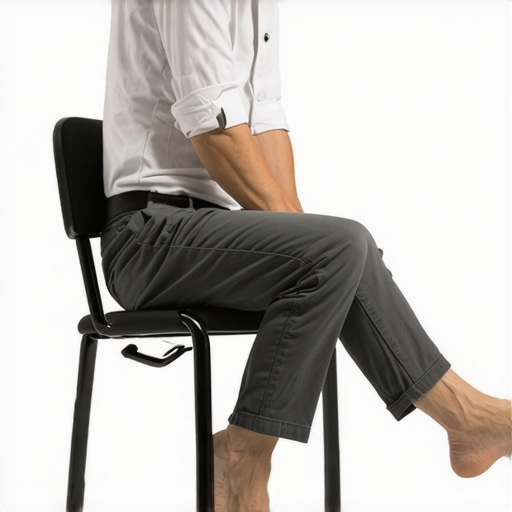
The 3-minute morning routine to lubricate your joints
Ever wake up feeling like your joints are creaking before you even get out of bed? I used to roll out of lair, stiff and achy, questioning whether my aging joints had already given up on me. It’s a frustrating reality that many of us face—a slow morning struggle where every movement feels like a reminder of missed opportunities for better health.
The Morning That Changed My Perspective
One particular day, after battling stiff knees and neck pains every dawn, I had a lightbulb moment. I realized that my morning stiffness wasn’t just a natural part of aging; it was a clear sign that my joints needed some love right from the start of the day. I decided to experiment with just a few simple movements that took no more than three minutes—yes, just three minutes—and the results were eye-opening.
This quick routine transformed my mornings from a dreaded stiff start to a smooth, almost pain-free awakening. It’s incredible how such a small investment of time can significantly improve your mobility and reduce discomfort. I promise, if you’re tired of feeling like your joints are rusty hinges every morning, this approach might be what you need.
Today, I’ll share with you the simple, proven routine that can lubricate your joints and set a positive tone for your entire day. Trust me, if I can do it, so can you. Ready to embrace a more flexible, pain-free morning? Let’s dive in!
Is a 3-Minute Routine Too Good to Be True?
Early on, I made the mistake of dismissing this quick fix as just another trend. I thought, “How could such a short routine make any real difference?” But I learned that consistency matters more than duration. Many people overlook the importance of daily movement, thinking they need hours at the gym. Yet, simple, targeted movements—like gentle joint lubricating exercises—are often more effective for everyday relief.
As I researched further, I discovered that experts highlight the importance of routine mobility exercises in preventing joint degeneration and enhancing synovial fluid, which keeps joints healthy. Fact: regular movement can reduce joint stiffness by increasing lubrication, helping you move more freely and comfortably (source: Revitalize Your Mobility).
So, if you’ve been skeptical or worried that you don’t have enough time, think again. This is about small, manageable steps that create lasting change. Now, let’s explore how you can incorporate this very routine into your mornings—fast, simple, effective.
Simple Hip Rotations to Loosen Up
Start with gentle hip circles, standing with feet shoulder-width apart. Imagine your hips as a wheel, slowly turning clockwise for 10 repetitions, then counterclockwise. I tried this after a particularly stiff Saturday morning and found that my hips felt more mobile by the end of the sequence, making subsequent stretches easier and more effective.
Neck Rolls to Ease Tension
Next, sit or stand comfortably. Drop your chin towards your chest and slowly roll your head to the right, ear towards shoulder, then back, creating a smooth, controlled motion. Repeat on the other side. Once I incorporated neck rolls, I noticed a significant reduction in tightness and a decrease in morning headaches, especially when I was feeling stressed.
Cat-Cow Movements for Spinal Flexibility
Get on your hands and knees, aligning wrists under shoulders and knees under hips. Inhale as you arch your back, lifting your tailbone and head (cow pose). Exhale as you round your spine, tucking chin and pelvis (cat pose). Do this slowly for 10 cycles. This exercise mimics a gentle wave through your spine. I remember doing this after a long night of poor posture, and it helped me feel lighter and more awake.
Calf Stretches for Lower Limbs
Stand facing a wall, step one foot back, heel flat, and press into the wall. Hold for 20 seconds, then switch sides. It’s like giving your calves a quick massage to improve circulation. Incorporating this after the previous movements improved my overall mobility and reduced stiffness in my legs, which often contributed to hip tightness.
Remember to Breathe During Movements
As I executed these steps, I focused on deep, controlled breathing—inhale through the nose and exhale through the mouth. Think of your breath as the oil that keeps your joints lubricated during movement. Even when I rushed through, conscious breathing kept me relaxed and prevented strain, making the routines more beneficial.
Keep consistent with these movements every morning—they’re like tuning your car’s engine before the ride. By integrating this quick sequence, you’re actively working to prevent joint stiffness and promote better mobility throughout the day. For targeted relief of specific issues, exploring techniques like expert methods for neck and back discomfort can further enhance your routine.
 Many people believe that stretching and regular exercise are all it takes to fix mobility issues or chronic pain, but the reality is more nuanced. One widespread myth is that all joint stiffness or pain stems solely from aging, leading individuals to accept discomfort as inevitable. However, this overlooks the critical role of spinal alignment and system-wide biomechanics, which can often be corrected with targeted chiropractic strategies like those discussed at Restore Your Back Mobility. A common trap is oversimplifying recovery to pure stretching, ignoring that improper movement patterns may perpetuate issues or even worsen them, especially if underlying spinal misalignments exist. For example, relying solely on stretching tight muscles without addressing joint restrictions or vertebral subluxations can be ineffective or counterproductive. This is where understanding advanced nuances, such as the impact of foot biomechanics on spinal health, becomes essential. Did you know that misaligned feet can cascade into poor posture and back pain? Exploring this connection and investigating whole-body alignment might reveal causes you hadn’t considered. Moreover, many assume pain equals damage, but in chronic cases, pain often reflects nerve irritation from suboptimal joint positions rather than tissue injury—an insight supported by experts like top chiropractors. This distinction can influence your approach: focusing on correcting joint mechanics instead of just alleviating symptoms. Be cautious of the allure of quick fixes like massages or superficial exercises; without addressing foundational issues, relief can be temporary. For sustained improvement, integrating comprehensive assessments that evaluate spinal and pelvic alignment, as well as muscle balance, is crucial. This approach is exemplified by methods in Chiropractic Techniques Unveiled. Remember, effective mobility and pain management hinge on recognizing and correcting the root cause rather than just treating the surface symptoms. Have you ever fallen into this trap? Let me know in the comments.
Investing in Your Long-Term Mobility
Maintaining mobility isn’t a one-time effort; it requires the right tools and consistent practice. Over the years, I’ve found that incorporating certain equipment and techniques into my routine has profoundly impacted my back and neck health. One of the most valuable tools I use is a high-quality foam roller. Personally, I prefer a firm, grid-textured foam roller because it helps me effectively loosen tight muscles in my back and hips, especially after prolonged periods of sitting. Regular use of a foam roller can improve my flexibility and reduce muscle-triggered discomfort, which helps prevent pain from becoming chronic.
Another indispensable tool is a therapeutic massage ball. I keep a tennis ball or a more specialized massage ball nearby to target stubborn trigger points in my neck and shoulders. Gently rolling over these areas for a few minutes alleviates tension and enhances circulation, contributing to improved mobility and decreased pain.
Beyond physical tools, I heavily rely on certain software to track my progress. An app like Strava or a simple habit tracker helps me monitor my daily mobility exercises, ensuring I stay consistent. Staying accountable and visualizing progress makes it easier to stick with these routines long-term.
Moving forward, the trend in mobility maintenance seems to be leaning toward smart tech integration, such as wearable posture monitors or AI-powered movement coaches. These innovations promise to offer personalized feedback and real-time corrections, making self-care even more effective and accessible.
How do I keep my mobility routines effective over time?
Consistency is key, but so is adapting your approach as your body changes. I recommend integrating varied techniques—mixing foam rolling, targeted stretches, and strengthening exercises—to prevent plateaus and address evolving needs. Regular assessments by a skilled chiropractor or physical therapist can identify emerging issues before they become painful. For instance, visiting professional chiropractic techniques can provide deeper insights and personalized adjustments that keep you moving freely.
Incorporating tools like those mentioned not only helps sustain your mobility but also empowers you to take charge of your back and neck health. Don’t forget, the most powerful tool is your commitment. I challenge you to try placing a massage ball between your shoulder blades today and spend just five minutes rolling out tension—that small step can be a game-changer in your maintenance routine.
The Hardest Lesson I Learned About Mobility and Spinal Health
In my journey to regain and maintain mobility, I discovered that quick fixes often fall short without addressing underlying issues like spinal misalignments or improper movement patterns. It took me years to realize that persistent stiffness isn’t just about aging—it’s about how I move, breathe, and care for my spine daily. That realization pushed me to explore holistic methods, including targeted chiropractic techniques and mindful movement routines, which turned out to be game-changers.
My Essential Toolkit for Lasting Back and Neck Relief
Over time, I’ve curated a set of tools that genuinely support my mobility journey. A high-quality foam roller has been indispensable for releasing tight muscles, especially in my hips and back. I trust a meditation and breathing app to keep me focused on deep, diaphragmatic breaths—crucial for reducing nerve irritation and inflammation. Additionally, a well-chosen posture monitor helps me stay aware and correct my alignment throughout the day. These tools work together to reinforce habits that prevent pain and promote fluid movement.
Embracing Movement with Heart: Your Path Forward
The most vital step you can take is to start. Whether it’s a five-minute morning routine or integrating breath work into your daily activities, small consistent actions compound over time. Remember, your spine is resilient, and with patience and proper care—like consulting trusted sources on chiropractic strategies—you can reclaim the freedom of movement you deserve. Your journey to mobility is unique—trust the process, stay committed, and celebrate each progress milestone along the way.
What’s one mobility habit you’re excited to incorporate this week? Share your plans below—I love hearing about your progress!