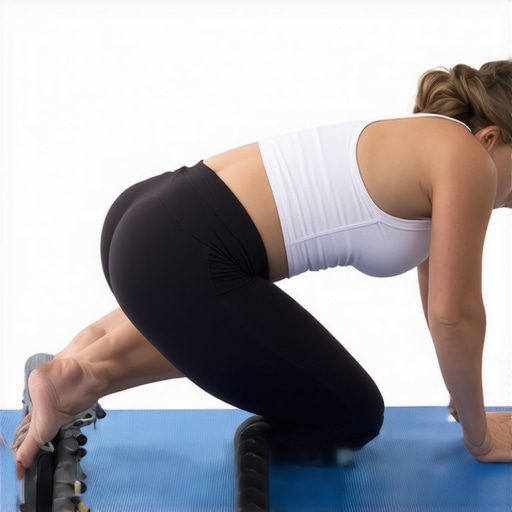
Stop Rolling Your Lower Back on a Hard Foam Roller
It happened again. I was lying there after a session, hoping I finally found relief from my persistent lower back discomfort, only to feel that uncomfortable, nerve-wracking twinge that made me question everything. You know that feeling—like trying to get comfortable on a bed of nails, but somehow worse because you think you’re doing something good?
One day, I had a lightbulb moment that changed my approach entirely. I realized that my effort to mobilize my lower back with a hard foam roller was inadvertently making things worse. It was almost like I was fighting against my own body, causing unnecessary tension and discomfort. If you’ve ever experienced similar frustrations, you’re not alone.
Today, we’re going to explore a common mistake many of us make when using foam rollers—specifically, why stopping the habit of rolling your lower back on a hard surface could be the game changer you need. My promise to you is: by understanding what’s really happening and learning the right techniques, you’ll be able to improve your mobility safely and effectively.
Why Your Lower Back Doesn’t Love Direct Foam Rolling
Many folks, myself included early on, believe that rolling directly over the lower back helps relieve tightness and improves movement. The truth? That approach can often backfire. The lumbar spine is a delicate area, with sensitive nerves and joints that don’t respond well to direct pressure, especially from a hard foam surface. What might seem like a quick fix can actually deepen existing issues or create new ones.
A significant mistake I made early in my journey was thinking that more pressure equals better relief. This false belief led me to apply excessive force on my lumbar area, which only increased my discomfort over time. It took some trial and error—and learning from reputable sources—to realize that the safest, most effective way to enhance mobility is to avoid direct pressure on the lower back.
Instead, focusing on surrounding muscles and using gentle techniques can yield better results. For instance, working on the hips, pelvis, and upper thighs can indirectly benefit your lower back, as these areas are interconnected. Want to dive deeper into the essentials of proper back care? Check out the comprehensive guide on understanding back pain and improving posture.
Now, let’s explore why some folks remain skeptical about changing their foam rolling routine and how to ensure you’re following safe, effective practices.
Target Surrounding Muscles Instead of the Lower Back
If you want to improve mobility without risking discomfort, focus on areas like the hips, pelvis, and upper thighs. For example, I once spent a session rolling my quads and glutes, which indirectly eased tension in my lower back. This approach helps loosen connections that influence lumbar stability, reducing strain.
Use Foam Rollers on the Hip Flexors and Glutes
Position yourself on your side with a foam roller under your hip flexors or glutes. Gently roll back and forth, pausing on tender spots. This releases tight muscles that often pull your pelvis forward, contributing to lower back pain. Remember, keeping pressure moderate prevents aggravating nerves or joints.
Adopt Gentle Techniques and Proper Posture
Instead of forceful rolling, employ light pressure and slow movements. Think of this like tuning a guitar string with gentle plucks rather than aggressive strums. I learned this during a hectic morning when I applied too much force on my lower back, which led to increased soreness. Slow, controlled movements yielded better results without discomfort.
Incorporate Layered Movements with a Foam Roll
Start with broad rolls on the thighs, then narrow down to specific tight spots. Use your arms to support your weight, avoiding excessive pressure on your lumbar spine. This method aligns with chiropractic principles that emphasize respecting your body’s limits and promoting natural movement patterns.
Focus on Functional Mobility Exercises
Complement foam rolling with exercises like bridging or bird-dogs that strengthen core stability. These movements enhance your ability to maintain proper posture during daily activities, reducing reliance on passive treatments. For instance, I added bridges to my routine, which surprisingly improved my back’s resistance to strain.
Practice Consistency and Mindful Movement
Your muscles respond better to regular, gentle stimulation. Schedule short sessions, perhaps 10 minutes daily, focusing on quality over intensity. During one particularly busy week, I realized that skipping my routine led to increased stiffness, reminding me that consistency is key. Mindfulness ensures you don’t push into pain, which can exacerbate issues.
Seek Professional Guidance When Necessary
If you’re unsure about technique or experience persistent discomfort, consulting a chiropractor or physical therapist can provide personalized strategies. They can assess your movement patterns and tailor an approach that promotes safe, sustainable progress. For example, a quick visit helped me refine my technique, emphasizing safe zones to avoid aggravating nerves or joints.
Integrating these targeted, gentle practices can transform your mobility journey, making it safer and more effective. Remember, every body is unique, so listen to your sensations and progress gradually.
Many people assume that chiropractic care or quick fixes are the ultimate solution for back and neck pain, but this oversimplification often leads to misconceptions and missed opportunities for true healing. One common myth is that all pain can be eradicated with a single adjustment or massage. In reality, pain often signals underlying issues that require a comprehensive approach, including lifestyle modifications and targeted exercises. Relying solely on passive treatments might provide temporary relief, but neglecting the root causes can lead to chronic discomfort.
An often overlooked nuance is the importance of understanding the body’s complex interconnected systems. For example, a misaligned pelvis or subtle foot imbalance can influence spinal health and mobility far more than isolated neck or back symptoms. This is why many patients see significant improvements once functional assessments are incorporated, focusing on the kinetic chain rather than isolated areas. You can learn more about these connections by exploring comprehensive back health strategies.
Beware of the trap where individuals assume that aggressive stretching or high-intensity exercises are always beneficial. While movement is crucial, too much force or improper technique can exacerbate tissues rather than heal them. A good example is over-stretching tight hamstrings, which might actually worsen lower back pain if the underlying cause is instability elsewhere. Instead, gentle, controlled mobility drills and strengthening work—tailored to your specific needs—are far more effective.
To address advanced questions, consider this: How does spinal misalignment influence neural pathways and pain perception? Research indicates that subtle vertebral shifts can alter nerve signals, leading to heightened sensitivity and chronic pain cycles. Addressing these through precise chiropractic adjustments—combined with neuro-muscular re-education—can reset these pathways, offering long-term relief. For a deeper dive, see chiropractic strategies for nerve health.
By understanding these nuanced aspects, you can avoid common pitfalls and embrace a smarter, holistic approach to maintaining mobility and managing pain. Remember, not all clinics or treatments are equal—choosing providers who prioritize individualized, evidence-based care makes a profound difference. If you’re curious about how to optimize your spinal health, I encourage you to read more on restoring mobility and preventing future issues at proven back pain relief techniques. Have you ever fallen into this trap? Let me know in the comments.Achieving long-term mobility and pain relief isn’t just about quick fixes; it’s about integrating effective tools and methods into your daily routine that promote sustained health. One of my go-to tools is the *Maitland Cervical Traction Device*, which I personally use to gently decompress my cervical spine at home. This device allows for controlled traction, helping to reduce neck tension without risking overstretching or aggravating nerves. Unlike generic cervical collars, it offers adjustable tension and positioning, making it highly customizable for individual needs. Regular use helps maintain proper spinal alignment and reduces the frequency of headaches linked to neck strain.
In addition, I rely heavily on *theracane foam rollers* for targeted muscle release. These are slender, adjustable tools that enable me to reach difficult areas like the upper traps and deep glute muscles with precision. This manual myofascial release complements chiropractic adjustments by addressing muscle tension that often pulls the spine out of alignment. It’s important to use these tools with proper technique; otherwise, you risk applying uneven pressure that could cause more harm than good.
How do I maintain movement and results over time?
The key is consistency combined with a strategic approach. I dedicate 10-15 minutes daily to using these tools, focusing on areas prone to tightness like hip flexors and thoracic muscles. Over time, this prevents the recurrence of stiffness and keeps my mobility intact. Moreover, integrating functional mobility exercises such as *bird-dogs* and *glute bridges* strengthens the core and stabilizers, further supporting spinal health. The combination of self-myofascial release and targeted strengthening is supported by recent research suggesting that active engagement, alongside passive therapies, yields the best results for long-term pain management. If you’re ready to elevate your routine, I recommend experimenting with tools like the Theracane to identify and release tight spots—it’s a game-changer in my recovery process.One of the most profound lessons I’ve learned in my journey with back health is that *less is often more*. Applying excessive pressure, especially direct foam rolling on the lower back, can do more harm than good—much like pushing a door that refuses to open. Recognizing when to ease up and focus on surrounding muscles changed my approach entirely, allowing me to regain movement without setbacks. Additionally, I discovered that incorporating gentle, targeted exercises like bridges and core stabilization not only enhances mobility but also builds resilience against future discomfort. These insights stem from personal experience and proven methodologies, reminding us that patience and mindful practice yield the most sustainable results. As you explore your own path to back well-being, remember that small, consistent adjustments often lead to the most significant breakthroughs—so stay curious and gentle with your body.