The 3-minute morning routine to lubricate your spinal discs
I vividly remember waking up one morning, neck stiff and aching, like I’d been crunched in a vice during the night. It hit me hard—my posture, my movements, even just turning my head, were suddenly a struggle. I realized that my daily habits might be silently sabotaging my spinal health, especially the discs that cushion my vertebrae. That lightbulb moment set me on a quest to find simple, effective ways to give my spine what it needs each morning.
Today, I want to share with you a routine that’s transformed how I feel—just three minutes each morning. It’s a small investment of time with big rewards: better mobility, less pain, and a surprisingly energized start to the day. If you’ve ever felt that dull ache in your neck or lower back that just won’t go away, this routine could be a game-changer.
The Power of Lubricating Your Spinal Discs Early in the Day
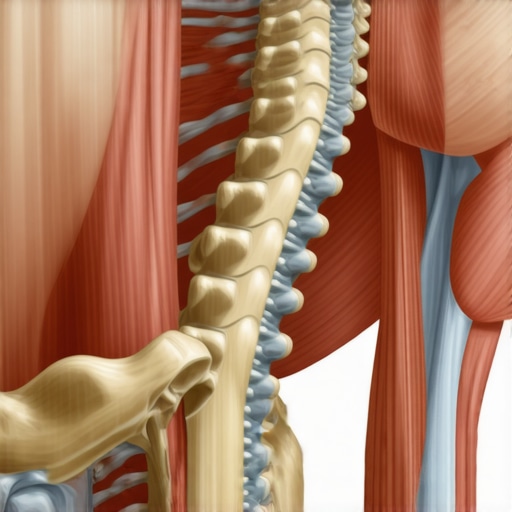
Your spinal discs are remarkable, flexible cushions that absorb shocks and help you move smoothly. But here’s the kicker—these discs need proper hydration to function optimally. During sleep, they tend to become dehydrated and stiff, making movement stiff and uncomfortable when you wake up. A quick, targeted routine can help kickstart the lubrication process, restoring some of that critical hydration and flexibility.
Think of it like watering a plant in the morning—those discs thrive when they’re well-hydrated, and your body moves more freely as a result. I’ve learned that ignoring this step often leads to misaligned posture and intermittent pain throughout the day, not to mention increased risk of long-term issues if neglected.
Recent studies indicate that simple gentle movements can enhance disc nutrition and mobility, reducing the likelihood of chronic problems. For instance, a careful spinal motion routine can stimulate blood flow and increase fluid diffusion into those pivotal discs.
Feeling skeptical? I totally get it. I used to believe that pain was just part of aging or a sign to see the chiropractor only when things got bad. But early on, I made the mistake of ignoring these small, daily habits—the kind that, if missed, can add up over months and years. Trust me, building this quick morning habit has made a visible difference.
If you’re wondering how to start or what specific moves to try, I’ll guide you through a simple, science-backed routine in the next section. No fancy equipment, no hours of stretching—just a few targeted exercises. Ready to see how three minutes can change your spinal health? Let’s dive in.
Get Moving: Start with Gentle Spinal Twists
After waking, lie on your back with arms stretched out to the sides like a T. Slowly let your knees fall to one side, keeping shoulders flat on the floor. Hold for 10 seconds, then switch sides. I remember the first time I tried this; I felt a relieving stretch in my lower back that lasted all day. It helps lubricate your discs by encouraging blood flow and easing stiffness.
Engage with Dynamic Neck Movements
Sit upright and gently tilt your head forward, then backward, holding each position for a few seconds. Then, rotate your neck slowly side to side. Think of your neck as a hinge—gradually loosening it prevents stiffness from setting in. Doing this routine made my morning neck tightness disappear faster than I expected, setting a positive tone for your day.
Activate Your Core for Support
Lie on your back with knees bent and feet flat. Place your hands on your belly. Deeply breathe in, expanding your belly, then gently contract your core muscles as you exhale. This deep activation improves stability, much like tightening the base of a tent to prevent wobbling. I added this step last month; it provided an instant sense of control over my posture.
Incorporate Spinal Extension with the Halo Move
Lie face down, arms at your sides. Carefully lift your chest while keeping your hips grounded, then gently rock side to side. Think of your spine as a coiled garden hose—adding fluid movement prevents it from becoming a stiff, fragile pipe. This move is especially effective for thoracic mobility and can be done in under a minute. I found this move particularly helpful before long periods at my desk, reducing mid-back discomfort.
Practice Controlled Breathing
Finish with deep, diaphragmatic breaths—inhale deeply through your nose, allowing your belly to rise, then exhale slowly through your mouth. Breathing enhances oxygen supply to your discs and relaxes tense muscles. I include this step as it amplifies the benefits of the routine and helps reset your nervous system for the day ahead. Regular practice keeps my back pain at bay and improves overall mobility.
Remember, these movements aren’t about pushing through pain but gently coaxing your spine into healthier function. Consistency is key—making this a daily habit yields long-term benefits for posture, pain prevention, and mobility. Keep it simple, listen to your body, and gradually increase the range if comfortable. For more insights on optimizing spinal health, explore natural mobility enhancement or consult a professional to tailor a program specific to your needs. Embedding these practical steps into your morning can significantly improve your spinal health and quality of life.Many individuals believe that all neck pain stems from simple muscle strains or that stretching alone can resolve deeper issues. However, this perspective overlooks the intricate relationship between spinal health and overall mobility. A common misconception is that seeking quick fixes, like over-the-counter pain medications, effectively addresses the root cause. In reality, these may only mask symptoms without improving function, leading to chronic problems over time. Recognizing the importance of holistic approaches, including proper spinal alignment and targeted chiropractic techniques, is crucial for lasting relief.
Another trap many fall into involves the misconception that chiropractic adjustments are solely for acute pain. While adjustments can provide immediate relief, their true value lies in maintaining long-term spinal health and preventing recurrence, especially when combined with mobility exercises. I often emphasize the significance of integrated care—combining chiropractic with movement strategies—to optimize results. For instance, regular mobility routines that focus on the thoracic spine can dramatically influence neck comfort, as detailed in my post on chiropractic techniques for mobility.
Beware of the myth that neck pain is purely a cervical issue. In fact, problems often originate from misalignments or restrictions lower in the spine, affecting nerve signals and muscle balance. This is why comprehensive assessments are essential. For advanced readers, understanding the nuanced biomechanics—such as how thoracic mobility impacts cervical stability—can make a significant difference in treatment outcomes. A study published in the Journal of Orthopaedic & Sports Physical Therapy highlights the interconnectedness of spinal segments and their role in neck pain, underscoring why isolated interventions rarely succeed long-term. To dive deeper into this, check out link between neck pain and spinal health.
Finally, many underestimate the importance of lifestyle factors. Poor ergonomics, prolonged static positions, or localized weaknesses contribute to persistent pain and reduced mobility. Addressing these requires a nuanced understanding of how daily habits impact spinal function. Incorporating simple mobility exercises, like those detailed earlier, and ensuring ergonomic setups can prevent many avoidable issues. Remember, lasting change comes from understanding the full picture rather than chasing fleeting symptoms.
Do you find yourself caught in these misconceptions? Recognizing the hidden nuances can be a game-changer for your spinal health. Have you ever fallen into this trap? Let me know in the comments.Maintaining your spinal health over the long term requires more than just daily routines; it involves investing in the right tools and adopting effective methods that support your mobility and prevent setbacks. One of my top recommendations is using a high-quality foam roller, such as the Trigger Point GRID foam roller, which I’ve personally found invaluable for releasing fascia tightness and restoring tissue elasticity. Regular use helps break down adhesions, improves circulation, and enhances flexibility, making it easier to perform mobility exercises without pain or stiffness.
Another essential tool is a set of resistance bands. I use these for targeted strengthening, especially in areas prone to weakness like the core and lower back. Resistance bands provide controlled tension, enabling me to stabilize muscles and improve spinal alignment from home. Incorporating simple movements with bands into my routine has proven effective in maintaining posture and preventing chronic discomfort.
For those who prefer guided help, subscription-based apps like PhysioAdvisor or gentle mobility programs offered by chiropractors online give structured work plans tailored to individual needs. Personally, I use a combination of these digital resources and in-clinic adjustments to ensure my spinal health stays optimized. In the future, I predict that wearable technology—such as posture-correcting smart devices—will become integral to ongoing spinal maintenance, offering real-time feedback and personalized corrections to prevent strain before it begins.
How do I maintain my back and neck health as I age?
Consistent check-ins with a qualified chiropractor, combined with smart use of ergonomic tools like adjustable desks and supportive pillows, form the backbone of long-term maintenance. I recommend scheduling regular assessments to identify early signs of stiffness or misalignment before pain takes hold. Additionally, incorporating mobility drills, like my favorite thoracic extensions, can stave off degenerative changes and keep your range of motion at its peak. To deepen your understanding, explore tools like the hidden link between neck pain and spinal health and apply these practices to sustain a pain-free, flexible spine.
Remember, the key to lasting mobility is consistency and intentionality. Use tools like resistance bands or foam rollers regularly, and stay proactive with your routine. An advanced tip I suggest is mastering the use of the Halo Move (detailed in this guide) to improve thoracic mobility—this simple technique can prevent neck and shoulder issues down the line. Give it a try today to unlock a new level of spinal resilience and mobility!
The Hidden Lessons Neck Pain Taught Me About Movement
One of the most profound realizations I had was that addressing neck pain isn’t just about loosening muscles—it’s about understanding your body’s intricate signals. I learned that ignoring early discomfort signs—like subtle stiffness or twinges—can escalate into chronic issues if not taken seriously. Embracing mindful movement routines helped me listen better to my body, turning pain into a guide for smarter habits.
Another insight was that quick fixes rarely provide lasting relief. True mobility and spinal health require consistency and patience, not just sporadic stretches. My journey taught me that dedicating just a few minutes each day to targeted exercises can accumulate into decades of pain-free movement, transforming my quality of life over time.
I discovered that education is powerful—understanding the biomechanics behind neck and back mobility helped me optimize my routines. Deepening my knowledge through trusted resources empowered me to tailor exercises that actually work for me, rather than relying on generic advice that often misses individual nuances.
Most importantly, I realized that holistic care, combining chiropractic insights with daily movement and lifestyle adjustments, creates the foundation for lasting health. No single pill or adjustment can replace an informed, proactive approach to spinal wellness. Remember, your body is your most valuable asset—treat it with curiosity and care, and it will reward you with mobility and resilience.
My Essential Toolbox for Lasting Neck and Back Freedom
Over the years, I’ve built a set of tools that keep my spine healthy and mobile. The best chiropractic resources have guided me through personalized adjustments that complement my routines. I also rely on a high-quality foam roller like the Trigger Point GRID; it’s invaluable for releasing fascia tightness that exercises alone can’t reach.
Resistance bands have become my go-to for strengthening supporting muscles safely at home. They help me maintain proper posture, especially after long sitting sessions. For accountability and structure, I subscribe to guided mobility programs, which ensure I stay on track and learn new techniques.
Looking ahead, wearable posture devices fascinate me—they’re like having a personal coach watching over your form in real time. Incorporating these tools consistently turns preventive habits into second nature, making spinal health a seamless part of daily life.
Own Your Mobility: Your Next Step Starts Now
Remember, the journey to pain-free neck and back mobility is ongoing and personal. By applying what you’ve learned and leveraging trusted tools, you can make meaningful progress toward lasting wellness. The key is to stay curious, proactive, and gentle with yourself—small habits compound into significant change over time.
How will you begin incorporating these ideas into your daily routine? Share your thoughts or questions below—your experience might inspire someone else on the same path to better mobility!