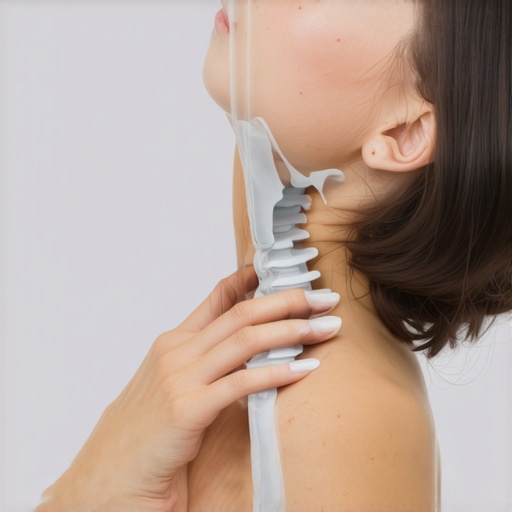
The ‘Halo’ move for neck mobility and shoulder health
Have you ever been frozen in place because turning your head just felt wrong? I remember those mornings when I’d wake up with my neck stiff as a board, and every little movement sent a jolt of discomfort. It was like my spine was giving me a silent warning, one I’d ignored far too long. One day, in a moment of frustration, I stumbled upon a simple exercise that seemed too good to be true—The ‘Halo’ move for neck mobility and shoulder health. The lightbulb went off: I was neglecting my neck’s potential for mobility, and that oversight was holding me back from a pain-free life.
Why Neck Mobility Should Be a Priority
Neck stiffness isn’t just about discomfort—it can quietly steer the course of your overall well-being. Limited neck movement can lead to headaches, poor posture, and even affect your sleep cycle. According to recent research, chronic neck pain affects nearly 70% of adults at some point in their lives, often stemming from muscle imbalances and poor movement patterns (source: Quackers Spinal). The good news? Many of these issues are fixable with mindful exercises and targeted mobility drills.
When I first started exploring neck mobility exercises, I made the mistake of doing quick stretches without understanding my body’s limits. That only worsened the pain. Through trial, error, and guidance from chiropractors, I learned that slow, controlled movements like The ‘Halo’ can unlock tight muscles and restore natural movement patterns. And trust me—once I embraced it, the entire landscape of my shoulder and neck health shifted.
Have you faced similar frustrations with neck stiffness or pain? You’re not alone, and relief might be closer than you think.
This journey revealed something unexpected: often, small adjustments and consistent practice outperform mass stretches or quick fixes. Now, I want to share that very insight with you, so you too can regain your neck’s full range and say goodbye to discomfort. Ready to see how a simple move can make a real difference? Let’s dive into the techniques that helped me—and can help you—unlock your mobility and improve your quality of life.
Start with the Basic Neck Rolls
Begin by gently tilting your chin towards your chest, then smoothly roll your head to the right, bringing your ear towards your shoulder, and finally tilt your chin up to look at the ceiling. Repeat this slow, controlled movement in the opposite direction. During one session, I struggled with stiff turns, but by focusing on slow circles I felt muscles loosen within minutes, reducing immediate discomfort.
How to Do Neck Circles Safely
Ensure your movements are deliberate; avoid jerky motions that could strain muscles. Imagine drawing small circles with your nose on a clock face, moving clockwise, then counterclockwise. I found that setting conscious intent helped me avoid adding tension, especially when I was initially tense from discomfort—progress that encouraged me to stay consistent.
Implement the ‘Halo’ Technique
This exercise mimics drawing a large circle around your head, engaging the neck and shoulder muscles integratively. Sit or stand upright, gently cradle your head with your hands, and slowly circle your head around in a wide, smooth arc. I once attempted this during a work break; at first, my motion was stiff, but through deliberate, gentle movements, I gradually unlocked tension in my upper back and neck.
Fine-Tuning Your Movement for Maximum Benefit
Focus on maintaining good posture, keeping shoulders relaxed, and breathing steadily. Think of your cervical spine as a spiral; gentle pressure and controlled movement help realign its natural curvature. I learned that rushing through this move only accentuated stiffness, so patience and slow execution are key.
Incorporate Shoulder Shrugs and Rolls
Sitting or standing, lift your shoulders toward your ears, hold briefly, then relax. Follow with shoulder rolls—circle your shoulders forward, then backward. During my routine, I noticed that shoulders often carry tension when the neck is stiff; loosening them directly improved my neck’s range of motion.
Embedding Relaxation Into Routine
Combine movement with deep breathing—inhale as you shrug, exhale as you relax. Think of this as resetting your nervous system, reducing muscle guarding. I found that consistent, mindful practice made these movements more effective over time, transforming brief exercises into a holistic relief strategy.
Leverage Gentle Side Bends
Stand tall, slowly tilt your head toward your right shoulder, feeling the stretch along the opposite side. Hold briefly, then switch sides. I incorporated this after noticing my muscles tightened laterally; gentle stretching relieved pinching sensations observed during sharper movements.
Enhancing Effectiveness with Awareness
Avoid overextending; keep the stretch within comfortable limits. Visualize your muscles elongating. Remember, consistency trumps intensity; even a few minutes daily produce significant long-term improvements, as I discovered through regular practice.
Apply the ‘Pillow Roll’ for Trigger Point Relief
Place a rolled towel or small pillow at the base of your skull while lying down, supporting natural neck curvature. Gently nod to simulate small yes movements, focusing on releasing muscle knots. My experience showed that targeted pressure eased stubborn tension points, especially after sitting for extended periods.
Safety Tips for Home Practice
Always listen to your body; stop if you feel pain or discomfort beyond mild stretch. Use low resistance and controlled movements to prevent aggravation. I learned that patience and gradual progression prevent setbacks and foster steady improvement.
Integrate these core techniques into your daily routine, and watch how gradual, consistent practice transforms neck stiffness into newfound mobility. Remember, the goal is gentle, deliberate motion—each movement gradually rewires your muscles for better function, echoing insights from expert chiropractic strategies that emphasize controlled, mindful movements for lasting relief.
Many believe that chiropractic adjustments are a quick fix or only necessary during acute pain episodes. However, this misconception overlooks the nuanced role chiropractic plays in true healing and long-term mobility. For instance, some think that pain relief equals the end of treatment, but in reality, addressing underlying movement patterns and muscle imbalances is crucial for lasting results. Rushing into aggressive adjustments without proper assessment can sometimes do more harm than good, especially if there’s a misdiagnosis or overlooked pathology. For advanced practitioners, it’s vital to recognize when manipulation is appropriate and when other modalities like soft tissue work or functional training are needed. Recent studies, such as those published in the Journal of Manipulative and Physiological Therapeutics, emphasize the importance of individualized treatment plans that integrate spinal care with movement education. Have you ever fallen into this trap? Let me know in the comments. Remember, the goal isn’t just temporary relief but restoring your body’s innate ability to move freely and without pain. To deepen your understanding, explore how expert chiropractors tailor approaches specifically for neck and back health, ensuring safer and more effective outcomes. By debunking these myths, you empower yourself to seek care that aligns with your long-term mobility and well-being, rather than just masking symptoms temporarily.
Maintaining your spine health over the long term requires more than just occasional exercises; it demands reliable tools and consistent routines. One of my go-to strategies is investing in quality equipment that enhances movement and offers targeted relief. For example, I swear by the foam roller. It helps break up muscle adhesions and improve flexibility when used correctly. I personally use the foam roller for mid-back relief. The key is slow, deliberate rolling over the thoracic spine, which promotes better posture and reduces chronic tension. And yes, I focus on the areas I tend to neglect—like the upper back—making it an indispensable part of my mobility toolkit.
Resistance bands are another staple in my routine. They offer adjustable resistance that helps strengthen small stabilizers supporting your neck and back. I incorporate them during gentle extension and rotation exercises, which can prevent future injuries. These bands are portable and versatile, making them perfect for maintaining consistency even when traveling. The resistance bands help me engage muscles that often become dormant in sedentary lifestyles, a known contributor to pain and stiffness.
Beyond physical tools, I rely on specialized software to track my progress and stay motivated. Mobility apps that guide stretching sequences and monitor improvements are invaluable. They give me a visual representation of my journey, helping me identify stagnant areas that need more attention. I’m personally impressed with programs that send reminders and adapt routines based on my feedback. This digital approach ensures I stay accountable and continue making gradual improvements—an idea supported by recent studies emphasizing the role of technology in chronic pain management (source).
Where should you focus your efforts to keep your mobility on track?
My advice is to create a balanced routine incorporating self-myofascial release tools like foam rollers, resistance bands for strength, and mobility tracking apps. Regular use of these tools, combined with expert knowledge from sources like chiropractic insights, can prolong your results and prevent setbacks. With dedication, you’ll notice improvements in posture, reduction in discomfort, and greater resilience against daily stresses. For a more detailed guide, check out strategies on restoring back mobility.
Now, I challenge you to try incorporating a weighted mobility ball into your routine. Its dynamic resistance and size allow precise targeting of stiff areas, especially around the shoulders and neck. Give this a go and observe how it amplifies your progress—remember, small, consistent steps lead to lasting change.
What I Wish I Knew About My Neck Early On
One of the most profound lessons I learned is that progress isn’t linear; small, consistent actions outshine sporadic intense efforts. Early in my journey, I believed that quick stretches or intense workouts would fix everything. Instead, I realized that patience and mindful repetition are keys to sustainable mobility. This insight transformed my approach from chasing quick fixes to embracing gradual, deliberate improvements, which eventually became my most effective strategy.
Tools That Became My Secret Weapons for Lasting Relief
Over time, I discovered that integrating simple yet powerful tools greatly amplifies results. The foam roller helped me release muscle adhesions, making my stretching more effective, while resistance bands added gentle strength training that supported mobility. Additionally, specialized mobility apps kept me accountable and allowed me to track my progress, turning maintenance into an engaging, rewarding routine.
The Heartfelt Push to Start Moving Again
If you’re reading this, remember that every journey begins with a single, often hesitant step. Reclaiming your neck and spinal health isn’t reserved for experts—it’s attainable for anyone willing to invest a few minutes daily. Your body is resilient, capable of adapting and healing when guided with patience and the right techniques. So, take that first move; your future self will thank you for the effort.
What’s one small step you’re willing to commit to today toward improving your neck mobility? Share your plan below—I’d love to hear it!