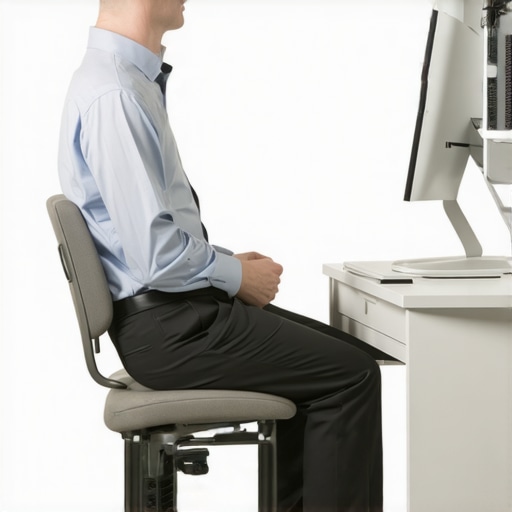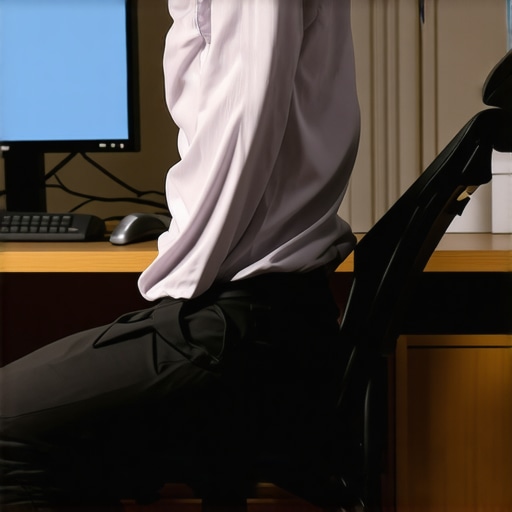
The 3-Second Pelvic Reset to Stop Your Back from Seizing Up at Your Desk
Have you ever been stuck at your desk, feeling that sudden, sharp twinge in your lower back that makes you grimace? I know I have. One day, I was typing away when my back seized up so fiercely I couldn’t straighten up without a grimace or a stretch that barely helped. It was a lightbulb moment for me—I realized that just a small, quick move could make a huge difference, and that’s when I discovered the power of the 3-Second Pelvic Reset. This simple technique transformed how I manage those dreaded back spasms and gave me back control.
Why Back Trouble at Your Desk Is More Than Just Annoying
Let’s be honest, many of us spend hours sitting, often neglecting how it impacts our spine. Those prolonged stretches of inactivity lead to tight muscles, poor posture, and eventually, painful spasms that can make work unbearable. What shocked me early on was learning that a significant portion of back pain is caused by misaligned pelvic positioning—a tiny shift that throws off your entire posture. It’s not just about muscle strain; it’s about the foundation of your spine itself.
Early in my journey, I made a crucial mistake: I believed that more stretching was the answer. Spoiler: it wasn’t. In fact, over-stretching certain muscles often worsened my discomfort. That realization pushed me to seek better, more effective strategies—like this quick, effective pelvic reset—that actually target the root issue.
Is the 3-Second Pelvic Reset Really Worth the Hype?
It might sound too simple to be true. I was skeptical at first—who wouldn’t be? But after trying it a few times, I noticed my back felt more stable, and those sudden spasms became less frequent. The technique involves quick, intentional adjustments to your pelvis and hips—think of it as a reset button for your lower back and pelvis. Scientific insights back this up, revealing that small, intentional pelvic movements can realign your spine and reduce muscle tension—saving you from the nightmare of recurring back seizures.
If you’ve ever experienced a back flare-up at work, you’ll understand how disruptive it can be. So, are you ready to learn how a tiny, three-second move can bring relief and keep your back healthy? Let’s dive into the simple steps that could change your workday—and your life.
Position Your Pelvis Correctly
Stand with your feet shoulder-width apart, knees slightly bent, and place your hands on your hips. Imagine your pelvis as a bowl of water; gently tilt it forward or backward until you feel a natural, neutral position. I once tried this after a long day of sitting at my desk, and as I tilted my pelvis gently, I sensed my lower back releasing tension. The key is to move slow and deliberate; think of it as adjusting the steering wheel of a car rather than a sudden jerk.
Engage Your Core to Support Movement
Activate abdominal muscles
Squeeze your abdominal muscles lightly, like preparing to punch someone softly. This engagement stabilizes your spine during the adjustment and prevents over-correcting. I remember a time I was unsure if I was doing it right, so I paused and focused on my core. Once I engaged my abs, the movement felt smoother, and the back relief was more noticeable.
Make a Quick Pelvic Realignment
With your pelvis stabilized, perform a subtle, quick tilt—either tightening or releasing your lower abdominal muscles—to shift its position. The idea is a swift, controlled movement that resets your pelvic alignment. Visualize rebooting your back’s ‘system’ with a three-second tap. During my first attempt, I just gave a quick, firm tilt, and I immediately felt a difference—less stiffness and fewer spasms. Repetition enhances the effect, so practice this reset a few times until it feels natural.
Fine-Tune Your Position
After the quick tilt, gently readjust to your neutral pelvis. Use your hands on your hips to confirm the symmetry: both hip bones should be level. Try this several times, aiming for a smooth transition with minimal effort. When I mastered this, I found myself able to perform the movement even at my desk, preventing painful back spasms before they started.
Integrate Into Daily Routine
Make this quick reset a habit—every hour or after long bouts of sitting. Remember, consistency is vital: small, frequent adjustments prevent misalignment that leads to pain. I set a timer to remind myself, and over time, this 3-second move became an instinctual part of my workday, reducing discomfort significantly. Want to explore more ways to boost your back health? Check out these simple chiropractic hacks that complement this technique.
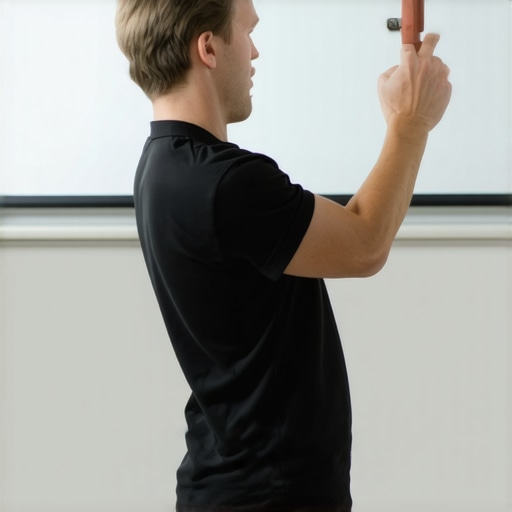 Many people believe that simply stretching more or using basic exercises will drastically improve their mobility and eliminate neck or back pain. While these approaches have their place, they often overlook critical nuances that can undermine progress. One common misconception is that all pain is due to tight muscles needing to be stretched; in reality, pain can stem from joint misalignments, neurovascular issues, or altered movement patterns that require targeted intervention. Failing to recognize these factors can lead to frustration and prolonged discomfort. Additionally, many assume that chiropractic adjustments alone are a quick fix—though, in truth, lasting results depend on understanding underlying movement dysfunctions and addressing them through comprehensive strategies. Beware of the trap of superficial fixes that only treat symptoms, not root causes. For advanced practitioners, an important question arises: How can we accurately differentiate between muscle tightness and joint restrictions that mimic each other’s symptoms? Studies highlight that improper diagnosis often leads to ineffective treatments, emphasizing the value of precise assessment. For example, integrating mobility tests like the thoracic spine wall test can reveal hidden restrictions often missed in routine exams. To deepen your understanding, explore resources like this guide on back pain and mobility, which delves into common pitfalls and advanced diagnostics. Remember, nuanced assessment and tailored interventions are the backbone of effective pain relief and improved movement. Don’t fall into the trap of one-size-fits-all solutions—your body’s complexity deserves a personalized approach. Have you ever fallen into this trap? Let me know in the comments.
Maintaining your mobility and spinal health over the long term requires the right combination of tools, consistent strategies, and an understanding of evolving techniques. One of my go-to methods is utilizing precise chiropractic equipment coupled with targeted exercises that I personally find effective. For instance, I regularly use a TheraBand flexibilty strap to assist in gentle stretching routines. This tool allows me to control resistance and extend my reach comfortably, especially in areas like the hips and shoulders that influence overall posture and back comfort.
How do I keep my progress sustainable over time?
Integrating technology such as mobility apps like “Mobility Master” helps me track daily progress and stay motivated. These apps provide guided routines tailored to my specific needs, reminding me to perform small corrective movements throughout the day. Additionally, I swear by foam rollers like the TriggerPoint GRID Foam Roller, which I personally use nightly to release muscle tension after hours at my desk. Regular self-myofascial release supports my long-term goal of preventing chronic pain and preserving flexibility.
In terms of professional support, periodic chiropractic adjustments are invaluable. I schedule these every 6 to 8 weeks, ensuring my spine stays properly aligned and any emerging issues are addressed early. The combination of manual therapy and at-home tools creates a synergistic effect, fostering resilience and mobility.
Predicting the future of mobility maintenance
Looking ahead, I believe wearable technology will further personalize back health management. Devices equipped with sensors can monitor posture and movement patterns in real time, providing instant feedback and tailored exercises. This proactive approach promises to make sustained mobility more accessible and less reliant on periodic professional visits alone.
What about consistent upkeep? How do I maintain my progress over time?
The key is establishing a daily routine that incorporates these tools seamlessly. For example, I set reminders to perform a quick neural mobilization or core activation exercise every morning. Combining this with ergonomic adjustments—like ensuring my workstation supports my spine—creates an environment conducive to ongoing health. To deepen your understanding, explore this guide on chiropractic techniques designed for long-term mobility improvement.
One tip I highly recommend trying is the 30-second dynamic stretch routine before starting your workday. It involves controlled arm circles, neck rotations, and hip wiggles—simple moves, but very effective at preventing stiffness and pain from building up. Incorporating this into your daily habits can significantly elevate your mobility resilience over time.

Imagine an illustration showing a person using a Theraband for stretching, with labels highlighting proper technique and resistance control. This visual reinforces effective tool usage and aligns with the narrative of maintaining mobility proactively.
Over the years, I’ve realized that the journey to back health isn’t just about quick fixes; it’s about understanding the nuanced lessons that truly move the needle. One of the most profound insights I gained was that most approaches fail because they target symptoms without addressing the root, like misfiring signals in your nervous system or subtle pelvic tilts that throw off your entire posture. Discovering these hidden cracks in my foundation taught me that effective back relief requires a mix of awareness, patience, and personalized strategies.
What the Hardest Lesson About Mobility Taught Me
The biggest lesson I learned about mobility and back pain is that progress isn’t linear. Sometimes, a simple pelvic reset can peel layers off pain, but other times, it reveals deeper restrictions you didn’t even realize existed. It’s easy to fall into the trap of thinking more stretching equals better results, but I’ve found that tailored movement—targeting specific joints or tissues—trumps generic routines every time. Trusting your body’s cues and respecting its complexity is essential for Long-term stability.
My Favorite Resources for Back Health Wisdom
Without a doubt, the comprehensive guide on back pain and mobility transformed my approach to self-care. It highlights the importance of assessing your mobility patterns and understanding when to seek professional help. Another gem is the simple chiropractic hacks, which complement my routines perfectly. Lastly, I swear by mobility apps like ‘Mobility Master’ for tracking progress and keeping motivation high. These tools help me stay aligned with my goals and prevent setbacks.
Your Next Move: Embrace the Journey to Back Confidence
The path to a pain-free back isn’t reserved for a select few—it’s accessible to everyone willing to embrace consistent, mindful movement. Remember, small, deliberate actions like the 3-Second Pelvic Reset can become powerful allies in your daily routine. Don’t hesitate to listen to your body’s signals and seek out resources that resonate with your experience. Your back’s health is worth every effort—step into this journey with confidence, and watch how your mobility and well-being flourish. What’s one small change you’re ready to try today? Drop your thoughts below and let’s support each other.
,