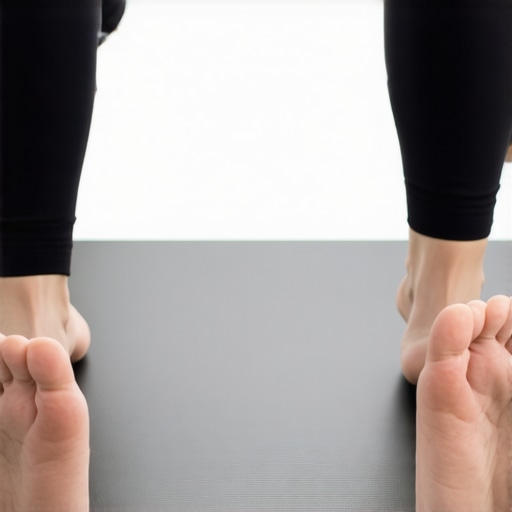
The 30-Second Drill to Stop Your Feet from Collapsing
Ever been in the middle of a simple step and suddenly felt that familiar sinking sensation in your feet? It’s like your arches just give up, and instead of feeling grounded, you’re wobbling or worse, risking a fall. I remember the first time this happened to me — I was hurrying out the door, trying to stay on schedule, when I felt my heel roll inward unexpectedly. That sinking feeling? It was more than just embarrassing; it was a warning sign that I’d overlooked basic myself-care, and it prompted a lightbulb moment.
The Struggle of Feet That Collapse: Why It Matters More Than You Think
Feet are the foundation of every step we take, yet we often ignore what’s happening at the very bottom of our body. Collapsing feet might seem like a minor nuisance, but over time, this issue can cascade into more serious problems — from chronic back pain to issues with balance and even knee injuries. When my feet started to falter regularly, I knew I needed to find a solution that wasn’t just masking the symptoms but addressed the root cause.
What I discovered was that the way we stand, move, and even how our shoes support us can drastically influence the stability of our feet and, consequently, our entire spinal health. Surprisingly, a simple 30-second drill — which I now swear by — can reset your foot mechanics and prevent collapse during movement. This small change had a massive impact on my daily mobility and pain levels.
If you’ve faced similar issues, you’re probably wondering whether these quick fixes are worth it, or if they’re just another fleeting trend. I’ve been there, and honestly, I’ve made early mistakes that cost me time and pain. For example, I used to ignore the importance of proper footwear, assuming as long as my shoes looked good, they were fine. That was a mistake I paid for with discomfort and instability. But I learned that addressing foot stability isn’t about expensive insoles — it’s about retraining the muscles and tendons that support your arches.
Could This Be the Solution You’ve Been Overlooking?
Understanding the link between foot mechanics and spinal health is crucial. According to experts, poor foot stability can directly impact your back and neck by altering your natural alignment — which is why paying attention to your feet isn’t just about walking properly; it’s about maintaining your overall health.
So, are you tired of feeling wobbly at the worst moments? Or maybe you’ve been battling back discomfort that just won’t quit? If so, keep reading. I’ll walk you through a proven, quick routine I’ve used to strengthen my feet and keep them from collapsing. Trust me, mastering this tiny, 30-second move changed my life — and it can do the same for you.
Engage Your Foot Muscles with Simple Toe Drills
One of the most effective steps I incorporated was a quick toe-shortening exercise. While sitting comfortable, I pressed my toes into the ground while lifting my arches, then relaxed. I repeated this for 10 seconds, focusing on activating the intrinsic muscles of my feet. During my first attempt, I felt a slight burn, but over a week, I noticed my arches became more defined, reducing that sinking sensation during walking. This drill helps retrain muscles responsible for maintaining foot stability, similar to how strengthening your core supports your spine.
Implement Balance Training with Single-Leg Stands
Another crucial step was practicing single-leg stands. I found a chair nearby for safety. Standing on one foot, I maintained balance for 30 seconds, then switched. It felt awkward at first, but gradually, my proprioception improved. Enhanced balance indicates better activation of small stabilizing muscles in the foot and ankle, which directly prevents collapse during daily activities. For more detailed exercises, check out this [mobility mastery guide](https://quackersspinal.com/mobility-mastery-expert-tips-for-back-pain-prevention-and-recovery).
Use Proper Footwear to Support Natural Mechanics
Choosing supportive shoes was a game changer. I switched from trendy sneakers to ones with a firm midsole and a wide toe box that allow natural toe splay. This prevents external forces from forcing the arch into collapse. Remember, footwear isn’t just about style—it’s about function. A good rule of thumb is to visit a professional for an assessment or to try orthotic inserts designed to promote proper alignment. Proper support reduces compensatory movements that strain the back and neck, which you can explore in depth in our [neck and back pain solutions](https://quackersspinal.com/neck-back-pain-solutions-insights-from-wellness-experts).
Incorporate Short, Daily Strengthening Routines
Consistency is key. I dedicated just 30 seconds each morning to these exercises, making them part of my routine. For example, performing toe curls by placing a towel on the floor and gripping it with my toes rebuilt my foot arch strength. Over time, this routine decreased my tendency to wobble and made standing on uneven surfaces more stable—much like reinforcing the foundation of a building prevents future cracks. Remember, small, repeated actions yield powerful long-term results in spinal health and mobility.
Connect Foot Stability to Spinal Well-being
A strong foundation in your feet acts like a trusty tripod supporting the entire structure of your body. When your arches collapse, it’s akin to a hill losing its footing—everything above shifts, leading to misalignments in your back and neck. This is why addressing foot mechanics can significantly reduce the load on your spine and alleviate related pain, as explained in this [comprehensive guide](https://quackersspinal.com/why-your-foot-arches-are-the-foundation-of-your-spine). Strengthen your feet with these targeted steps, and you’ll notice a more grounded, balanced, and pain-free movement experience over time.
Many people cling to common beliefs about neck pain, mobility, chiropractic care, and back pain, but let’s dig deeper into some often-misunderstood nuances. Contrary to popular opinion, not all pain stems from structural damage, and quick fixes can sometimes do more harm than good. For example, many assume that pain relief always requires aggressive manipulation or medication, but this approach overlooks the complex neurological and muscular components involved in chronic pain, as highlighted in a Harvard Medical School study on pain management strategies.
Why Do Some Treatments Fail Long-Term Despite Immediate Relief?
Often, immediate relief is achieved through temporary muscle relaxation or spinal adjustment, yet neglecting the underlying biomechanical imbalances or movement patterns can lead to recurrence. This is why targeted exercises and lifestyle adjustments are critical components of lasting recovery, which you can explore in our back mobility strategies guide. Be wary of the trap where practitioners focus on symptom suppression instead of root cause correction. For instance, just alleviating neck tension without addressing posture and movement habits rarely results in lasting change and may foster dependence on interventions.
Are You Falling for the Myth of ‘Perfect Posture’?
A widespread misconception is that a static, ‘perfect’ posture prevents pain. In reality, rigidity in posture can lead to muscular imbalances and restrict movement, sometimes compounding discomfort. Moving naturally and diversely, rather than holding a supposedly optimal position, encourages healthier spinal function, as discussed in our spinal health insights. Moreover, many overlook the importance of dynamic stability — training that enhances your body’s ability to adapt to varied movements — which is often more beneficial than static postural correction alone. Be cautious of the ‘one-size-fits-all’ approach; each individual’s spinal mechanics and lifestyle are unique. Misguided treatments, like excessive reliance on passive modalities, can inadvertently weaken stabilizer muscles, making the spine more vulnerable over time. Always seek tailored strategies that incorporate strengthening, mobility, and neuromuscular control to empower your recovery journey. Remember, enhancing your understanding of these nuances can drastically improve your outcomes. Have you ever fallen into this trap? Let me know in the comments. For comprehensive guidance, check out our neck pain management or explore advanced chiropractic tips to improve your mobility and reduce pain sustainably.Maintaining your spinal health and mobility requires not just consistent effort but also the right tools to support your progress. Over the years, I’ve discovered that integrating specific equipment and methods into my routine has made a profound difference, especially in managing long-term neck, back, and mobility issues. One game-changing tool I’ve used extensively is a high-density foam roller. Unlike standard foam rollers, the dense variants allow for deeper muscle release, targeting fascia and muscle knots that often contribute to stiffness and pain. I personally favor the TriggerPoint GRID foam roller because of its durability and textured surface, which helps me break down adhesions in my back and hips effectively. Regular sessions with a foam roller have helped me maintain my mobility, prevent flare-ups, and enhance muscle recovery after chiropractic adjustments.
How do I maintain mobility over time?
To keep my progress sustainable, I incorporate a massage ball into my regimen. The smaller size allows me to target specific trigger points in hard-to-reach areas like the upper trapezius or behind the shoulders. I use a lacrosse ball for deep intermittent pressure — a technique recommended by experts like Dr. Perry Nickelston in enhancing muscular function and preventing chronic pain. This method is particularly useful when I notice early signs of tension building up, as it prevents issues from escalating. I also rely on digital tools, such as the ‘MobilityWOD’ app, which offers personalized routines and progress tracking, ensuring I stay accountable and adapt my approach as needed. As the trend leans toward more personalized, at-home care options, I predict that wearable sensors tracking movement and muscle activity will become more mainstream, providing real-time feedback and tailored exercises for sustained mobility. Using these tools consistently helps me preserve the benefits of chiropractic care and prevents recurrence of pain or stiffness.
What advanced strategies can help you sustain your mobility journey?
Another effective tool I’ve adopted over time is a cervical traction device. Carefully used, it decompresses the neck, alleviating nerve compression symptoms and improving cervical mobility. Remember, though, that proper guidance is essential when adding new devices to your routine, and consulting with your chiropractor ensures safe application. Additionally, integrating proprioceptive training tools, such as balance pads or wobble boards, enhances neuromuscular control, which is critical for preventing injuries and maintaining postural alignment. Combining these tools with targeted exercises promoted in our mobility mastery guide can significantly extend the benefits of chiropractic strategies, leading to a more resilient and flexible spine. It’s worth noting a study from the Journal of Manipulative and Physiological Therapeutics indicating that patients who regularly use self-myofascial release tools alongside chiropractic care experience longer-lasting symptom relief. So, I challenge you to pick one of these tools—perhaps the foam roller or massage ball—and incorporate it into your daily routine. Small, consistent actions like this can compound over time, ensuring your mobility remains strong and pain-free. Don’t underestimate the power of these personal investments; they are the secret to long-term success in pain management and spinal health.
The Hardest Lesson I Learned About neck pain,mobility,chiropractic,back pain
One of my most significant realizations was that quick fixes might offer immediate relief but can sometimes mask deeper issues, leading to recurring discomfort. True progress came when I committed to understanding my body’s unique needs instead of relying solely on generic treatments.
3 Myths About neck pain,mobility,chiropractic,back pain That Held Me Back
I used to believe that perfect posture prevented pain and that actively avoiding movement would protect my spine. Challenging these myths opened the door to more effective, dynamic approaches—embracing movement and personalized care.
What Experts Won’t Tell You About neck pain,mobility,chiropractic,back pain
Many professionals focus on symptom management, but lasting recovery requires addressing root causes like muscle imbalances and movement habits. Listening to my body’s signals and adopting targeted routines made all the difference.
Curated Resources for Long-Term Spinal Health
- Mobility Mastery Guide: This resource offers actionable exercises that have personally helped me maintain flexibility and strength, emphasizing sustainable routines.
- Comprehensive Neck and Back Solutions: A collection of expert insights that deepened my understanding of spinal health beyond basic treatments.
- Personalized Chiropractic Plan: Working with a specialist who tailored strategies to my specific needs proved invaluable for lasting improvement.
Your Next Step Toward Freedom from Pain
Remember, taking small, consistent actions toward improving your neck and back health can lead to profound changes. Embrace custom routines, trust expert guidance, and stay committed—your resilient, pain-free future is within reach. What’s one new practice you’re willing to try today? Share below and start your journey toward better mobility!