The 10-Minute Desk Reset for Slumping Shoulders
I still remember that sinking feeling in my chest as I caught sight of my reflection one hectic afternoon—my shoulders sagging forward, neck strained, and that familiar tightness creeping up. It hit me like a ton of bricks: I was sitting wrong, and my body was paying the price. Maybe you’ve felt it too—those nagging aches after long hours at the desk, or that creeping sense that your posture is slipping further out of alignment. Well, I found a simple, effective way to turn things around in just ten minutes, and I want to share it with you.
The Power of a Quick Desk Reset
In today’s world, many of us spend countless hours at our desks, often neglecting how our bodies really feel. The truth is, slumping shoulders aren’t just a minor annoyance—they can lead to persistent neck pain, headaches, and even back issues over time. Early on, I made the mistake of ignoring these signs, chalking them up to stress or fatigue. But that only made things worse.
One day, I realized I couldn’t afford to keep living like this. That was my wake-up call—literally. I discovered that dedicating just ten minutes to a simple set of movements could dramatically improve my posture and ease tension. These quick adjustments helped me feel lighter, more energized, and more in control of my health. And the best part? It’s a routine anyone can nail.
Today, I’ll walk you through exactly what I did—and what you can start doing today—to combat your slumping shoulders with a proven, manageable strategy. No fancy equipment, no complicated exercises—just a straightforward reset that respects your busy schedule.
Is a 10-Minute Shoulder Reset Really Effective?
Now, I know what some of you might be thinking: “Ten minutes? Will that really make a difference?” Believe me, I was skeptical at first too. But after a few days of consistent practice, I noticed relief from chronic tightness, improved mobility, and even better focus.
Early in my journey, I made the mistake of neglecting my body’s signals—thinking occasional stretching was enough. That mistake taught me that consistency beats intensity. Small, regular movements work better than trying to overhaul your entire routine overnight. In fact, researchers have shown that short, frequent breaks can significantly reduce musculoskeletal discomfort and boost overall well-being (see [here](https://quackersspinal.com/revitalize-your-mobility-proven-strategies-for-back-pain-relief)).
So, are you ready to try this quick reset and see the difference it can make? Let’s dive into the practical steps that transformed my posture and can do the same for you.
Get into Position for a Quick Reset
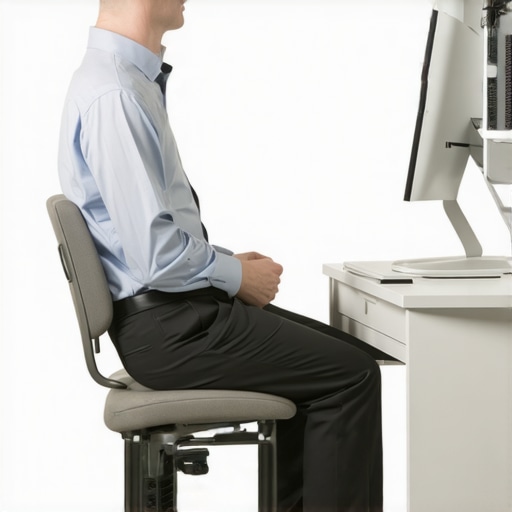
Start by sitting upright in your chair with your feet flat on the ground and your back supported. Place your hands on your thighs and take a deep breath. As you exhale, gently roll your shoulders backward in slow circles, focusing on smooth, controlled movements. This initial step warms up your shoulder girdle, much like warming up before exercise, preparing your muscles and joints for targeted adjustments.
Perform Gentle Shoulder Circles
Next, lift your shoulders toward your ears, hold for a second, then relax and roll them back and down in a circular motion. Use your mind to visualize your shoulder blades gliding down your back, like a windshield wiper sweeping away tension. This micro-movement helps free up the tightness accumulated from hours of desk work and can be done in just 30 seconds, but the impact is noticeable—your shoulders start feeling looser and less fatigued.
Stack Your Spine with Controlled Neck Movements
After the shoulder circles, gently tilt your head to one side, bringing your ear toward your shoulder. Keep your opposite shoulder relaxed and avoid shrugging. Hold for 10-15 seconds, then repeat on the other side. This stretch decompresses the neck muscles, often tight from poor posture. Think of your neck like a stack of plates—gentle adjustments prevent unwanted compression and help realign your spinal segments. I remember doing this after a long meeting, feeling immediate relief, allowing me to return to my work with a clearer head.
Incorporate Thoracic Extensions
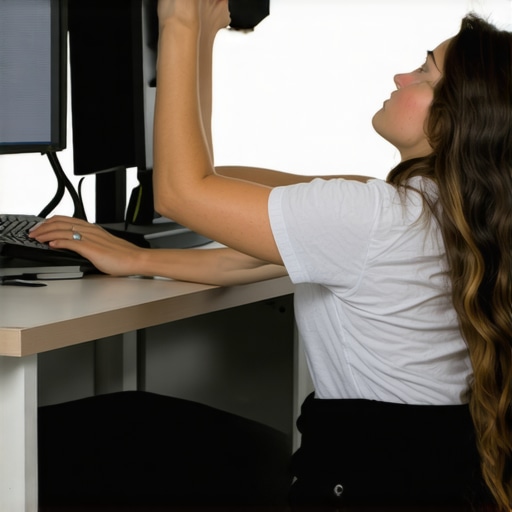
Stand or sit with your hands behind your head, elbows tucked in. Gently arch your upper back over the back of your chair or a sturdy surface, moving into a mild thoracic extension. This move unlocks your mid-back, akin to opening a door that’s been stuck. I added this step on a stressful day, and it transformed my upper back stiffness into a sensation of openness—like my spine was a hydraulic piston expanding smoothly.
Deep Breathing to Reinforce realignment
Finish with slow, diaphragmatic breathing: inhale deeply through your nose, filling your belly, then exhale slowly. This not only calms your nervous system but also reinforces the new, healthier posture you’ve created. It’s like pressing reset buttons on both your body and mind, enabling better movement and less pain over time.
These steps are straightforward but powerful. Consistency ensures lasting benefits, making this ten-minute routine a game-changer for anyone stuck in the cycle of tension and poor posture. Remember, small adjustments today lead to a healthier, more mobile tomorrow. For more comprehensive strategies, consider exploring back pain relief techniques or learn how chiropractic adjustments boost mobility.
Many assume that consistent stretching alone is enough to maintain optimal mobility, but in my experience, this oversimplifies the complex interplay of muscles, joints, and nervous system. A common myth is that more flexibility always equals better function; however, excessive stretching without strengthening or proper alignment can create instability and increase injury risk, as highlighted in recent studies on joint stability. Moreover, many believe that chiropractic adjustments are a quick fix, but without understanding the nuances of proper movement patterns and muscle imbalances, these treatments may only provide temporary relief instead of long-term improvement. An advanced mistake I’ve observed is neglecting the role of the fascia and connective tissues—these structures require targeted release techniques that go beyond traditional stretching, which can significantly enhance mobility and prevent pain. Don’t fall into the trap of thinking that pain relief is solely about cracking joints or stretching more; instead, focus on a holistic approach addressing the nervous system, muscle coordination, and tissue health. For instance, integrating mobility mastery strategies can transform your recovery process and prevent future issues. Curious about how connective tissue health influences overall mobility? Check out [this expert guide](https://quackersspinal.com/boost-mobility-ease-pain-chiropractic-techniques-unveiled) to deepen your understanding.Maintaining your mobility, neck health, and back integrity requires more than just quick fixes—it’s about leveraging the right tools and strategies for sustainable results. One of my go-to tools is a high-quality foam roller, specifically the 36-inch textured version. I use it daily to perform my myofascial release routines, which help prevent muscle tightness and improve tissue health. The textured surface targets knots more effectively than smooth rollers, making it ideal for releasing stubborn fascia restrictions. Pairing this with a resistance band like the TheraBand Gentle Thicker Band allows me to perform dynamic stretches and strengthening exercises that support long-term improvement. These bands are versatile; I incorporate them into shoulder mobility drills, which have proven crucial in maintaining healthy posture over months of desk work.
For tracking progress and integrating my routines seamlessly, I rely on posture correction apps like Upright GO. This small device sticks to your upper back, providing real-time feedback on your posture, and syncs with your smartphone. I use it during work hours to stay conscious of my alignment, catching slouching habits early before they become problematic. The combination of physical tools and digital feedback creates a feedback loop that sustains good habits.
Predicting future trends, wearable technology will become even more sophisticated, offering biofeedback and adaptive exercises tailored to your unique needs. Expect advancements like smart apparel embedded with sensors that provide comprehensive movement analytics, further empowering maintenance routines.
How do I keep my mobility routines effective over time?
Consistency is key. Incorporate daily checks with tools like the Upright GO to reinforce your awareness and correct bad habits early. Integrate myofascial release using textured foam rollers and targeted stretching routines that address your specific mobility restrictions, such as those detailed in our mobility mastery resources. Regularly updating your toolkit and routines ensures you’re not relying on outdated practices, which can diminish in effectiveness. For example, I recently added trigger point therapy balls to my arsenal, which proved excellent in reducing localized muscle tension.
Remember, the goal is longevity. Schedule monthly evaluations of your progress using apps or even simple self-assessment tests like the 30-second mobility drills. This proactive approach helps you catch issues early and maintain the gains you’ve fought hard for. To deepen your understanding of tailored exercises and advanced techniques, I recommend exploring the proven strategies for back pain relief.
Incorporate these tools and strategies today. Start with the textured foam roller—your fascia and tissues will thank you. Over time, this sustained approach will make managing neck pain, back issues, and overall mobility more intuitive and effective.
The Hardest Lesson I Learned About Mobility, Chiropractic, Neck Pain, and Back Pain
One of my most eye-opening realizations was that quick fixes rarely lead to sustainable freedom from pain. I used to think stretching or cracking my neck was enough, but neglecting underlying movement patterns only masked issues temporarily. The real breakthrough came when I understood that consistent, mindful routines and addressing tissue health made all the difference. This insight transformed my approach and could do the same for you.
My Essential Toolkit for Lasting Mobility and Pain Relief
I trust tools like the textured foam roller because it targets those stubborn fascia restrictions that simple stretching misses. Pairing it with resistance bands helps build strength and support long-term stability. And digital aids like posture correction apps, such as Upright GO, bring real-time awareness into my daily routine. These tools empower me to maintain proper alignment and prevent setbacks, offering a holistic approach I recommend exploring.
Your Turn to Embrace Greater Freedom in Movement
Remember, the journey toward better neck and back health isn’t about quick fixes—it’s about committed, smart strategies that you can incorporate into your daily life. Taking that first step, whether with a simple routine or new tools, can lead to a more comfortable, mobile future. Keep learning, stay consistent, and believe in your capacity to improve your posture and mobility.
**What small change are you willing to make today to improve your posture or mobility? Let me know below!**