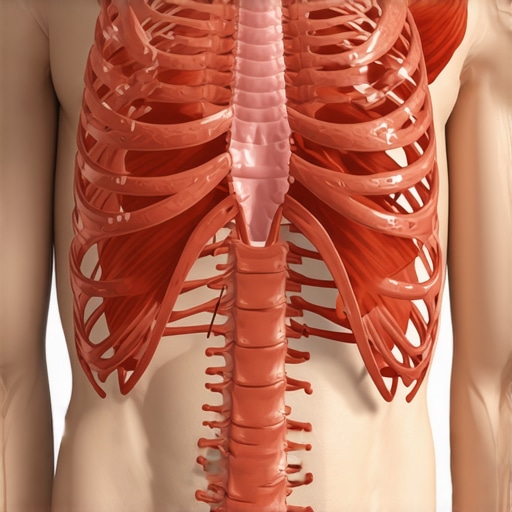
The 40-Second Drill to Open Your Ribcage and Breathe Better
I remember the exact moment it hit me—after a long day of hunching over my computer, I was sitting there, feeling that stubborn tightness ripple up my chest and into my neck. My breath was shallow, constrained. It was like I had forgotten how to truly fill my lungs. Frustrating doesn’t even begin to cover it. That lightbulb moment made me realize: I hadn’t been breathing deeply enough in years, and it was silently stealing my vitality.
Discovering the Power of a Tiny Movement That Opens Up Your Ribcage
What if I told you that just 40 seconds could dramatically improve your breathing, reduce tension, and boost your overall mobility? Sounds too good to be true, right? But trust me, this simple, quick drill transformed the way I move—and it can do the same for you. Today, we’re diving into a practical technique that I stumbled upon early in my journey, and it’s now a staple in my daily routine. By learning how to effectively open up your ribcage, you’ll tap into a new level of ease, especially if you’ve been battling neck pain, back discomfort, or just that general feeling of tightness that won’t go away.
Is This Just Another Fad or Really Worth the Hype?
When I first tried similar techniques, I was skeptical. Like many, I made the mistake of rushing through it, thinking I needed some fancy equipment or hours of practice. Early on, I ignored the importance of proper form, which only left me more frustrated. But after correcting my approach and sticking with it, I started noticing improvements not just in my breathing but in my posture and pain levels. This taught me an essential lesson: small, consistent efforts matter — and they work better when done correctly. If you’ve ever felt stiff, breathless, or like your mobility is running on empty, then you’re in the right place. I’ll walk you through the basics so you can start experiencing relief right away, backed by the understanding that our breath isn’t just about oxygen—it’s a powerful tool for unlocking your body’s full potential.
Did you know that shallow breathing can limit oxygen flow, contributing to fatigue and muscle tension? According to experts, proper ribcage expansion plays a crucial role in overall wellness, but many of us have simply forgotten how to breathe deeply and freely. Now, let’s explore how this tiny, 40-second drill could be the most valuable tool in your mobility arsenal.
Begin with the Standing Stretch
Start by standing tall with feet hip-width apart. Imagine your body as a tall, flexible tree. Take a deep inhale, and as you breathe in, lift your arms above your head, reaching toward the ceiling. Aim for a gentle stretch, not forcing it. Hold for 3 seconds, then exhale slowly, lowering your arms. Repeat this 5 times. During my first attempt, I accidentally pulled too hard, which made my neck tense up. Eventually, I learned to relax and focus on smooth, controlled movements, revealing how much tension I was holding unconsciously.
Engage Your Diaphragm with Controlled Breathing
Focus on Belly Expansion
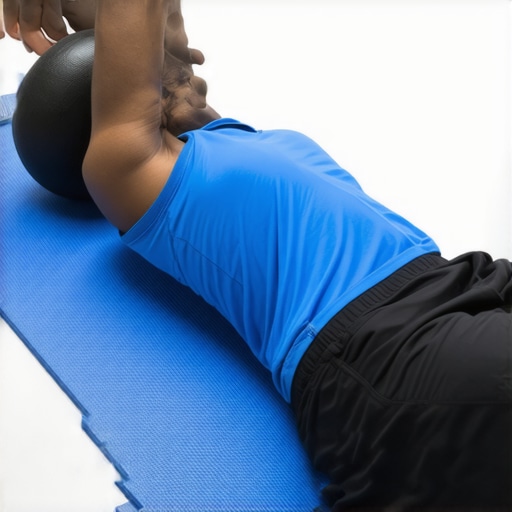
Lie on your back with knees bent and feet flat on the floor. Place one hand on your chest and the other on your belly. Take a slow, deep breath through your nose, aiming to push the hand on your belly upward while keeping your chest still. Think of filling your belly like inflating a balloon. This activates your diaphragm, encouraging deeper, more efficient breaths. During a workshop, I struggled to get my belly moving at first, but gradually, I felt my chest decompress and my neck relax—proof that proper breathing reduces tension buildup.
Open the Chest with Arm Swings
Stand with arms extended sideways at shoulder level. Gently swing your arms forward and backwards in a controlled, rhythmic motion for about 10 seconds. Visualize your ribcage expanding like a bellows with each swing. This dynamic movement helps loosen the muscles between your ribs and shoulders. One day, I incorporated this during a break, and I noticed my posture improved instantly, making deep breaths easier and relieving some neck stiffness.
Implement the Side Stretch
While standing or seated, reach your right arm overhead and lean gently to the left side. Hold for 15 seconds, feeling a stretch along your ribs and side body. Switch sides. This stretch encourages lateral expansion of the ribcage, which is often neglected in daily life. I used to overlook this step until I felt a clear release of tightness from my upper back down to my waist after a few sessions. It’s like giving your body a gentle reminder to breathe deeply on all sides.
Incorporate Gentle Spinal Twists
Seated or standing, place your right hand on your left knee (or thigh), and gently rotate your upper body to the left, keeping your hips steady. Hold for 10 seconds, then switch sides. Twists help mobilize the spine and ensure the ribcage isn’t restricted by stiff vertebrae. I recall a morning when I was particularly stiff; this simple twist alleviated pressure, making my subsequent movements smoother and more comfortable. Think of it as wringing out a soaked towel—getting rid of built-up tension that constricts your breath.
Use Controlled Exhalation to Reinforce Opening
After each deep inhale, spend a few seconds exhaling fully and slowly through your mouth, as if blowing out a candle. This prolongs the exhalation, encouraging your body to relax more profoundly. During a coaching session, I noticed that emphasizing the exhale not only improved my breathing pattern but also softened my neck and shoulders, proving that conscious control over exhalation enhances overall release.
Consistency and Mindfulness
Practicing these steps daily, even just for 40 seconds, creates a new pattern of relaxed, open breathing. Remember, like tightening or loosening a screw, your body responds best when movements are deliberate and gradual. I found that when I focused mindfulness during each breath, the benefits compounded, leading to better posture and less neck discomfort—and an overall sense of ease. For deeper insights on regaining full mobility, consider exploring restorative techniques at Chiropractic secrets to regain full mobility after injury.Many assume that addressing mobility, neck pain, or back discomfort is as simple as stretching or taking painkillers. However, these common approaches often overlook nuanced factors that can hinder true progress. As an expert in chiropractic care and movement science, I’ve seen how widespread myths and misconceptions can trap even seasoned health enthusiasts, leading to persistent issues despite diligent efforts.
One prevalent myth is that all pain directly correlates to tissue damage requiring aggressive stretching or medication. In reality, pain is often a complex nervous system response, and pushing through discomfort without understanding its origin can exacerbate the problem. For example, some believe that cracking or snapping their necks or backs in quick relief attempts is harmless. But evidence suggests that these abrupt maneuvers can irritate the joints or nerve structures, especially when done improperly—something I warn my patients about regularly. To dig deeper, check out my detailed insights on the real reasons your neck pops during movement.
A crucial nuance many overlook is the importance of global movement patterns versus isolated muscle stretching. Genuine mobility improvements come from understanding how interconnected the body’s systems are. For instance, tight hip flexors might seem unrelated to neck pain, but they can contribute to improper pelvis alignment, which affects spinal posture and tension distribution. This interconnectedness is why comprehensive assessments and holistic approaches outperform isolated fixes. Curious about restoring your full back mobility? I recommend exploring proven chiropractic strategies.
Be cautious not to fall into the trap of assuming your pain has a quick fix. Often, I see patients who chase temporary relief, only to find their issues return worse than before. Real progress involves understanding the subtle mechanics—like ribcage mobility and diaphragmatic breathing—and applying patience over aggressive, short-term remedies. For a detailed breakdown of common advanced mistakes, visit mastering back and neck pain relief.
How can you identify and avoid common pitfalls that sabotage your mobility efforts?
Recognize that many interventions may unintentionally reinforce poor movement habits or further restrict your body’s natural capabilities. For example, relying solely on foam rolling without addressing underlying joint restrictions can lead to temporary relief but not long-term improvement. The path to lasting mobility and pain reduction requires a nuanced understanding of your body’s unique mechanics and a tailored plan. To get started, consider consulting with a professional who can guide you through safe, effective techniques—like those outlined in advanced chiropractic techniques.
Remember, the key is continual education and cautious experimentation. Have you ever fallen into this trap? Let me know in the comments.
Once you’ve incorporated the foundational techniques into your routine, maintaining and scaling your progress becomes essential. Over the years, I’ve discovered that having the right tools and a consistent maintenance plan are what truly keep mobility improvements sustainable. One highly recommended approach involves integrating specific chiropractic methods that focus on long-term results, such as those detailed in my article on proven chiropractic strategies.
Why Investing in Proper Equipment Matters
Investing in quality tools like foam rollers, massage balls, or even specialized ergonomic accessories can make a significant difference. I personally swear by a high-density foam roller, which I use daily to target muscle tightness before it becomes a chronic issue. The key is choosing apparatuses that match your muscle groups and movement patterns to reinforce mobility gains. For example, a lacrosse ball can be quite effective for trigger point therapy in hard-to-reach areas like the thoracic spine, especially when used with proper technique.
Supporting Software and Apps for Mobile Maintenance
In today’s digital world, scheduling regular mobility drills with apps like chiropractic-focused routines helps keep consistency high. I recommend setting daily reminders for short, targeted sessions—sometimes just five minutes—that reinforce good habits. Tracking your progress with simple journaling or dedicated apps can also alert you to patterns and setbacks, making adjustments much easier over time. Technology isn’t a substitute for professional guidance, but it’s a valuable supplement, especially during busy periods.
Building a Long-Term Maintenance Schedule
Creating a structured plan ensures your mobility improvements stick. I suggest dividing your weekly schedule into manageable parts: dynamic mobility work in the mornings, targeted stretching before bed, and periodic check-ins with a professional. For instance, regular visits to your chiropractor can help fine-tune your alignment and prevent regressions. As I’ve emphasized in my post about how chiropractic care transforms lives, consistent professional support is crucial for addressing underlying issues that DIY methods might overlook.
Envisioning the Future of Mobility Maintenance
Looking ahead, trends suggest a move toward smarter, tech-enhanced tools—such as AI-guided devices and sensor-based feedback systems—that personalize your mobility routines dynamically. I predict that integrating these innovations with traditional methods will lead to even more sustainable outcomes. It’s exciting to think that in the next few years, you might have access to equipment that not only guides your movements but adapts in real time based on your body’s responses.
How do I keep my mobility routines effective over time?
Consistency is the name of the game. Regularly updating your toolbox with new techniques and tools, based on ongoing learning and feedback, helps you stay ahead of setbacks. For example, trying out advanced drills like those I discuss in haptic gear can push your progress further. Remember, integrating mindfulness with your maintenance routine enhances awareness of how your body responds, leading to better long-term results. Why not start today by incorporating a targeted tool like a foam roller into your daily routine and observe how it reinforces your mobility gains? Taking that one step can significantly impact your journey toward pain-free movement.
One of the most profound insights I’ve gained is that true mobility isn’t just about stretching muscles; it’s a delicate dance with how your entire system functions together. I used to think focusing solely on isolated exercises would solve my pain, but I quickly learned that neglecting the interconnectedness of my body’s structures only led to temporary relief. Watching my own journey unfold, I realized that small adjustments—like refining my breathing or re-evaluating my posture habits—can have ripple effects that dramatically boost long-term health. It’s these nuanced lessons, often overlooked, that hold the key to sustained mobility and pain relief.
Secrets That Changed My Perspective on Mobility and Pain
- Patience Trumps Quick Fixes: Rushing through drills or expecting instant results can sabotage progress. Deep, consistent effort, even in tiny doses, often yields the most meaningful change.
- Breath as a Foundation: Deep diaphragmatic breathing isn’t just about oxygen; it’s a powerful tool to reset your nervous system, reduce tension, and enhance movement from within. I now see breathing as the gateway to genuine mobility.
- Holistic Approaches Work Better: Addressing only one area—like stretching or strengthening—without considering posture, habits, and nervous system health limits potential. Integrating these elements creates a more resilient, pain-free body.
- Mindfulness Makes a Difference: Paying attention to how your body responds during exercises transforms happenstance into awareness. This mindful connection guides more effective movements and helps prevent injury.
My Favorite Tools for a Mobility Makeover
- Foam Rollers and Trigger Point Balls: These affordable tools help release muscle adhesions and foster better tissue quality. I personally rely on high-density rollers and lacrosse balls for targeted relief.
- Guided Apps and Videos: Platforms like [chiropractic-focused routines](https://quackersspinal.com/boost-mobility-ease-pain-chiropractic-techniques-unveiled) provide structured guidance, making consistency easier and more engaging.
- Smart Wearables: Devices that track posture and movement are becoming invaluable, helping me stay mindful and correct habits before they become persistent issues.
- Educational Resources: Reading expert articles and books like Mastering Back and Neck Pain Relief deepens my understanding, empowering me to make better choices.
Keep Moving Forward, One Step at a Time
If you’re committed to lasting change, embrace your journey with patience, curiosity, and self-compassion. Remember, every small effort adds up—just like the gentle movements and mindful breaths we’ve explored, your progress depends on persistence and a willingness to learn. Whether it’s refining your breathing habits or integrating new mobility drills, stay proactive, and don’t hesitate to seek professional guidance when needed. The future of mobility awaits those who dare to prioritize movement and understanding. So, what small step will you take today to unlock your body’s full potential? Share your plans below—I’d love to hear your story and support your progress.