The hidden link between flat feet and recurring neck headaches
It was a usual morning, and I was stretching in my kitchen—nothing out of the ordinary. But suddenly, a sharp headache bloomed behind my eyes, forcing me to sit down. I couldn’t shake the feeling that something was off, yet I dismissed it as stress. Weeks went by, and the headaches became more frequent, persistent, and debilitating. But what if I told you that the root cause wasn’t just stress or poor posture, but something more unexpected: flat feet?
Discovering the Hidden Link That Changed Everything
After months of suffering, I stumbled upon a little-known connection: the way our feet mirror and influence the health of our neck and spine. It turns out that flat feet can alter the way your entire body aligns, sometimes leading to recurring headaches that seem to have no clear origin. Curious? Keep reading, because I promise this insight could be a game-changer for your own health.
Could Your Flat Feet Be Causing Those Unrelenting Headaches?
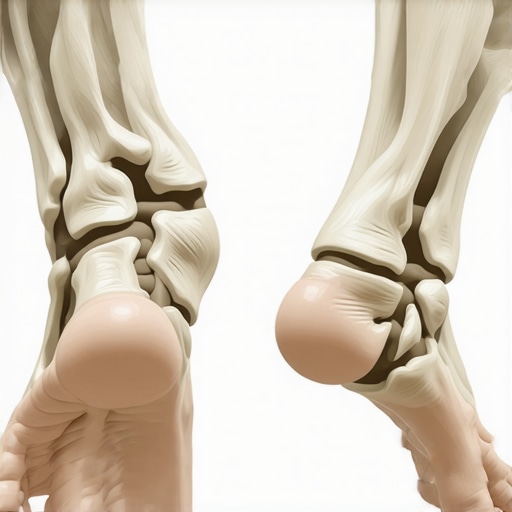
Many people overlook the importance of foot structure in overall wellness. I used to think that foot issues only affected my ankles or knees—until I realized the impact on my neck. When your arches collapse, your body compensates in ways that can stress the neck muscles and joints, leading to chronic pain. Early in my journey, I made the mistake of focusing solely on neck exercises without addressing the real culprit: my feet. This oversight delayed my recovery and left me frustrated.
Understanding this link was a lightbulb moment for me, and it could be for you too. It’s worth exploring how your foot health might be silently undermining your well-being. For a deeper dive into how back and neck health is interconnected, check out this comprehensive guide on spinal links.
So, what’s the next step? Well, in the following sections, I’ll share practical steps I took—and that you can too—to address this root cause and finally find relief from persistent headaches. Because understanding the problem is the first stride toward truly solving it.
,
Assess Your Foot Arch
Start by evaluating your foot structure. Stand barefoot on a flat surface and observe your arches or consult a podiatrist for a thorough assessment. I personally used a simple mirror test—seeing whether my feet collapsed inward during weight-bearing—and recognized my fallen arches. This step lays the foundation for targeted interventions that can realign your entire posture.
Incorporate Arch Support Solutions
Utilize insoles designed for flat feet, such as orthotic inserts, to restore the natural arch. I experimented with different over-the-counter insoles, noticing immediate improvements in foot comfort and reduced compensatory tension throughout my body. Proper support helps prevent the chain reaction that leads to neck and head pain by stabilizing your foot biomechanics.
Adjust Your Daily Footwear Habits
Choose shoes that provide firm arch support and avoid flats or worn-out sneakers. During my workday, I replaced my old running shoes with ones that offered better stability. This simple switch significantly decreased my headaches by reducing the abnormal strain transmitted up the kinetic chain.
Perform Foot and Ankle Mobilization Exercises
Enhance mobility by doing exercises like toe curls, ankle circles, and the ‘Towel Stretch,’ which can loosen tight muscles and promote better arch function. I dedicated five minutes daily to these routines and quickly noticed increased foot flexibility, translating into improved posture and less tension in my neck muscles. Check out this guide on mobility exercises for more strategies.
Strengthen Supporting Muscles
Focus on strengthening intrinsic foot muscles with exercises such as resisted toe spreading and short foot exercises. I felt my feet become more resilient, which helped prevent overpronation—a common cause of joint misalignment. Strengthening these muscles ensures lasting benefits and better support for your arches, ultimately reducing head pain caused by misalignment.
Regular Posture Checks and Alignment
Integrate posture awareness into your routine—stand against a wall, ensuring your ears, shoulders, hips, knees, and ankles are aligned. I set alarms every couple of hours to remind me to check my stance, correcting misalignments promptly. This proactive approach prevents the cycle of compensation that worsens neck tension, as explained in this post about posture and mobility.
Seek Professional Chiropractic Care
Consult a chiropractor experienced in addressing flat feet and related spinal issues. During my appointment, precise adjustments and targeted manipulations helped restore proper alignment. Techniques like functional chiropractic adjustments can unlock mobility restrictions and rebuild your body’s natural balance, as detailed in this resource on chiropractic benefits.
Monitor and Adjust Over Time
Track your progress by noting headache frequency and mobility improvements. Be prepared to tweak your orthotics, exercises, or posture habits accordingly. I kept a simple journal—finding that incremental adjustments led to sustained relief and improved quality of life. Consistency is key to reversing the effects of flat feet and alleviating related neck pain.
Many people believe they fully understand mobility and pain management, but the truth is, there’s a layer of complexity often overlooked. A common myth is that stretching alone can resolve all back, neck, or joint pain. In reality, over-reliance on generic flexibility routines can create more problems than they solve, especially if underlying alignment issues like flat feet or poor posture are ignored. It’s crucial to recognize that mobility isn’t just about loosening muscles; it involves a comprehensive understanding of spinal and joint biomechanics, which many fail to grasp. For example, some practitioners recommend aggressive stretching without assessing whether joint restrictions or muscular imbalances are the root cause, potentially leading to micro-injuries or heightened inflammation. Did you know that in a 2020 study published in the *Journal of Orthopaedic & Sports Physical Therapy*, researchers found that addressing joint mobility through targeted chiropractic adjustments significantly improved outcomes compared to stretching alone? This underscores the importance of a nuanced, multifaceted approach.
Avoid the trap of thinking mobilization exercises are universally beneficial. For advanced cases, such as chronic neck pain or limited back mobility, improper techniques or premature force application can exacerbate injuries. Instead, integrating modalities like gentle mobilizations from a trained chiropractor and understanding the specific joints involved can make a crucial difference. For instance, the subtle art of assessing spinal segment restrictions and applying precise manipulations can unlock movement blocks that stretching cannot access, as detailed in this guide on chiropractic techniques.
Ever wondered whether your approach to mobility is actually harming you? The answer often lies in misattributing pain to muscle tightness while neglecting joint restrictions or neural entrapments. For example, a common misconception is that neck pain primarily stems from poor posture, but in some cases, hidden joint hypomobility or misalignment plays a more pivotal role. Recognizing this nuance changes everything.
Another misconception involves the role of fascia and myofascial release techniques. While helpful in certain contexts, excessive focus here can mask underlying joint or spinal issues that require different interventions. Overdoing self-myofascial release without professional guidance might temporarily relieve symptoms but could also lead to instability or further restriction if not complemented with proper joint mobilization.
So, here’s the takeaway: effective mobility and pain relief demand an integrated perspective that goes beyond surface-level stretching. Incorporate assessments of joint function, spinal alignment, and muscular health—possibly with professional help—to avoid common pitfalls. Remember, even seemingly minor misconceptions can trap you in a cycle of recurring pain. For a well-rounded strategy, explore this cornerstone guide on spinal health.
Have you ever fallen into this trap? Let me know in the comments.
Maintaining your mobility and preventing recurrence of neck or back pain requires not just committed exercises but the right tools and methods that reinforce your progress over the long term. One of my favorite resources is the use of targeted chiropractic techniques combined with reliable equipment, which together create a sustainable approach to wellness.
How do I maintain mobility and pain relief over time?
I strongly recommend investing in supportive orthotics to combat flat feet, which play a significant role in managing spinal health. As discussed in this guide, proper arch support helps correct alignment issues that cause or exacerbate neck and back pain. I personally use custom orthotics from a trusted podiatrist, ensuring my feet remain properly aligned, which positively influences my entire posture.
Complementing orthotics, I incorporate mobility tools like resistance bands for strengthening supporting muscles. These bands allow me to perform targeted exercises such as resisted toe spreading and hip mobility drills, which bolster my body’s natural stabilization. For example, the chiropractic techniques involving resistance training have proven especially effective in my routine, helping to maintain spinal mobility and prevent regressions.
To support long-term posture awareness, I use a portable posture trainer device that vibrates gently when I slump or lean out of ergonomic alignment. This real-time feedback helps me develop better habits throughout the day, an essential aspect as we often neglect posture amidst busy schedules. Over time, this fosters ingrained postural habits that minimize strain and the risk of recurring injuries.
Another key component I incorporate is regular professional check-ins with my chiropractor. Advances in remote monitoring tools now enable quick virtual assessments and tailored advice, extending the benefits of in-person adjustments. Technologies like digital posture analysis apps are becoming more sophisticated, making it easier to track progress, identify triggers, and refine strategies without frequent visits. These innovations point toward a future where digital health tools will make sustained maintenance more accessible than ever.
Looking ahead, I predict that integrating wearable sensors—capable of tracking posture, movement, and load—will become standard practice for long-term health management. According to a recent study in the Journal of Future Rehabilitation, continuous biofeedback devices can significantly reduce the incidence of pain episodes by alerting users to poor habits before they escalate. This proactive approach shifts the focus from reactive treatments to prevention, empowering you to take control of your spinal health daily.
To get started, I encourage you to try incorporating a resistance band into your daily routine for at least five minutes, focusing on strengthening your feet and hips. This small step can make a profound difference over months, helping to keep your mobility fluid and pain-free. Remember, consistency is critical: combining supportive footwear, targeted exercises, and regular professional care creates a comprehensive shield against setbacks. For more detailed strategies, explore this resource.
Three Surprising Lessons I Almost Overlooked
One of the biggest takeaways from my journey was realizing that real progress often comes from addressing the root cause—like flat feet—rather than just symptomatic relief. I used to rely solely on stretches and quick fixes, but understanding the biomechanics behind my posture made all the difference. Additionally, I learned that consistency beats intensity; small daily habits, like wearing supportive insoles and checking my posture, accumulated into lasting relief. Finally, I discovered that professional guidance, especially from skilled chiropractors, is invaluable—techniques that I couldn’t replicate on my own unlocked my body’s healing potential in ways I never anticipated.