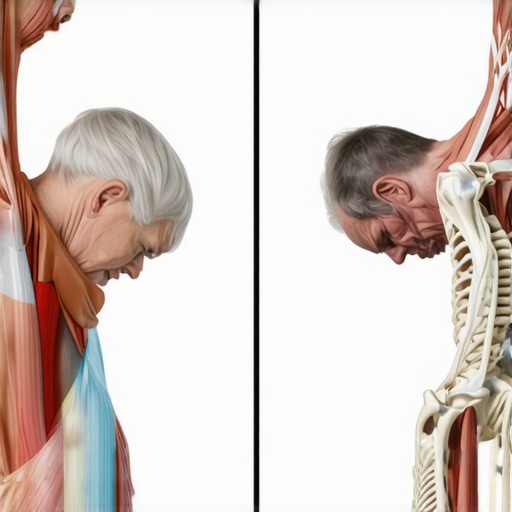
How to sit on a plane without landing with a stiff back
Have you ever found yourself on a long flight, wobbling into your seat with a stiff, aching back that seems to scream at you with every movement? I’ve been there. That unmistakable twinge that hits after hours of slouching, fidgeting, and trying to find the ‘perfect’ position—only to realize, you’ve actually made it worse. It’s a feeling that can ruin your trip before it even begins.
Why Airplane Seating Can Turn Your Back into a Pain Playground
Flying should be about the journey, not suffering with a sore back. But if you’re like most travelers, you’re probably making classic mistakes that turn your comfy flight into a spinal nightmare. From slumping in the seat to neglecting your posture, these habits quickly set the stage for stiffness and discomfort.
The truth is, sitting on a plane for hours doesn’t have to be a pain in the neck—or the back. I’ve spent years experimenting with simple, effective strategies that keep my spine happy during long trips. And trust me, the key is less about fancy gadgets and more about mindful habits and positioning. Did you know that improper sitting posture can increase internal spinal disc pressure by up to 40%? That’s a shocking fact from [a study published by the National Institute of Neurological Disorders and Stroke](https://www.ninds.nih.gov/documents/educational-resources/back-pain). It underscores how crucial proper sitting techniques are for preventing lasting discomfort.
Before we delve into the practical steps I swear by, I want to ask—have you ever experienced that sudden jolt of pain when trying to straighten your back after hours of stillness? If so, you’re not alone, and I’ve definitely been there too.
But don’t worry. In the upcoming sections, I’ll share some personal tweaks and hacks to make your next flight not just bearable, but comfortable. From adjusting your seat position to simple stretches you can do mid-air, these tips are designed to help you keep your back feeling good—no matter how long your journey.
So, ready to transform your flying experience and keep your back stiff-free? Let’s get started with the essentials to sit on a plane without landing with a stiff back—and actually enjoy your trip.
Adjust Your Seat and Posture Immediately
As soon as you settle into your seat, position your seat back to support your natural spine curve. Use lumbar pillows or rolled-up clothes if the seat lacks support—think of this as giving your lower back a custom brace. Sit back fully, but avoid slouching forward; imagine your spine as a chain of links that needs to stay aligned. A personal story—once, I forgot to adjust my lumbar support during a 9-hour flight and ended up with a stiff, sore lower back that took days to recover. After that, I always create that supportive ‘foundation’ before relaxing fully into my seat.
Find Your Neutral Position and Maintain It
Identify your “neutral” sitting position—your spine’s natural alignment—and stick to it throughout the flight. This is akin to balancing a stack of books: if one is tilted, the entire stack wobbles. To find your neutral, sit with feet flat on the floor, knees at 90 degrees, and hips slightly higher than knees. Keep your head centered over your shoulders, avoiding protrusion forward like a turtle’s neck. I once experimented by tightening my core muscles gently and aligning my head with my spine; the difference in comfort was immediate, reducing fatigue and preventing the common “crick” in my neck.
Use Micro-Movements and Stretches Strategically
Every 30 minutes, perform small movements to prevent stiffness. Think of your spine as a flexible straw—if you stay bent in one position, it stiffens. Simple neck tilts, shoulder rolls, and ankle circles rehydrate the joints and reduce muscle tension. During a flight, I would subtly rotate my shoulders and flex my ankles under the seat, which kept my circulation flowing—similar to how athletes shake out fatigue. Mid-flight, I discovered that doing these movements helped maintain mobility and prevented the numbness and aching that often set in after hours of static sitting.
Engage Core and Shoulder Stabilizers
Engaging your core is like tightening the cables of a suspension bridge—stabilizing your entire structure. Do gentle isometric contractions by pulling in your lower abdomen and gently squeezing your shoulder blades together. This creates a supportive network for your spine, reducing the load on disks and ligaments. I remember tightening my core during a long-haul flight, which instantly relieved pressure and kept me alert. For ongoing relief, consider learning specific chiropractic techniques that enhance core strength and back stability—explore the secrets to boosting back and neck comfort at this resource.
Leverage Proper Breathing and Relaxation Techniques
Deep, diaphragmatic breathing encourages relaxed muscles and improves posture. Think of your lungs as a balloon; inhale slowly through your nose, letting your belly expand, then exhale fully. This not only calms your nervous system but also promotes better spinal alignment by reducing unnecessary tension. I once focused on my breath during a turbulent flight; subtly increasing my belly breath patterns helped ease muscle tightness around my neck and shoulders, making the rest of the journey more comfortable. For specific exercises, visit this step-by-step guide.
Plan and Prepare for Long Trips in Advance
Preparation minimizes discomfort. Book seats with extra legroom or supportive features, like adjustable headrests. Pack portable lumbar supports or travel pillows for optimal cushioning. Before flying, incorporate stretching routines that target your back and neck, like the Pigeon stretch or thoracic twists. I learned this the hard way after ending up with a stiff neck because I skipped my usual neck mobility exercises; now, I always review my mobility routine before long trips. For comprehensive techniques, see this guide.
Many people believe that chiropractic is solely about quick fixes or that adjustments alone can solve complex back and neck issues. In reality, a nuanced understanding reveals that these misconceptions can hinder effective treatment and recovery. One widespread myth is that chiropractic adjustments are all you need for lasting relief. While adjustments are crucial, they are most effective when combined with personalized exercise plans, lifestyle modifications, and addressing underlying postural habits. Neglecting these factors can lead to temporary relief but eventual recurrence of pain.
Another common misconception is that spinal manipulations are risky or cause long-term damage. This fear often prevents individuals from seeking necessary care. In fact, when performed by trained professionals, adjustments are generally safe and have been shown to improve mobility and decrease pain without adverse effects. A 2018 study published in the *Journal of Manipulative and Physiological Therapeutics* emphasizes the safety and effectiveness of chiropractic care when properly administered.
Now, consider the trap of thinking that all back and neck pain stems from structural issues alone. While structural alignment plays a role, pain often involves neurological, muscular, and even behavioral factors. Overlooking these can lead to incomplete treatment strategies. As I always say, true back health requires a holistic approach—addressing movement patterns, stress levels, and daily habits. For advanced insights on optimizing your spinal health, explore the techniques outlined in [these expert tips](https://quackersspinal.com/boost-your-back-health-simple-yet-effective-chiropractic-hacks).
What most people overlook is how advanced mistakes in posture and movement patterns become ingrained over time, making it harder to recover. For example, persistent poor ergonomics or habitual forward head posture can silently erode spinal health, leading to chronic discomfort. Avoid falling into the trap of quick fixes; focus instead on long-term habits and comprehensive care. Engaging in targeted mobilization exercises and periodic chiropractic check-ins can significantly enhance mobility and prevent degeneration.
Here’s a question for those wanting to elevate their understanding: How does compensatory movement in one part of the spine affect overall mobility and pain? Addressing such complex interactions requires a detailed assessment—something I specialize in. If you’re curious about deepening your knowledge, I recommend reviewing [this guide](https://quackersspinal.com/understanding-back-pain-a-guide-to-better-posture-and-mobility).
Remember, effective management of back and neck issues involves a combination of proper treatment, informed habits, and awareness of the nuances often missed by conventional approaches. Don’t get caught in the trap of superficial fixes—embrace a comprehensive, informed strategy to truly enhance your mobility and quality of life. Have you ever fallen into this trap? Let me know in the comments.Maintaining optimal spinal health over the long term requires more than just good posture; it involves using precise tools and adopting effective methods to support your body’s natural movement and prevent pain. From professional-grade equipment to innovative exercises, the right tools can make a significant difference in keeping your back, neck, and overall mobility functioning at their best.
One indispensable item I personally recommend is a high-quality foam roller. Unlike generic foam rollers, I opt for a dense, slightly textured version that targets my thoracic spine and hips effectively. Regular use of this roller helps release muscle knots, improve tissue elasticity, and enhance my body’s ability to perform functional movements. I focus on rolling my upper back and pelvis, which are often neglected but crucial for long-term posture correction and pain prevention.
Alongside physical tools, I incorporate digital resources to complement my routine. For instance, app-based guided mobility programs like *Mobility Mastery* have been instrumental. I choose these apps for their personalized routines that focus on specific areas like neck flexibility or lower back stability. They serve as a reminder to stay consistent with my exercises, especially during busy periods.
Another device I swear by is a cervical traction unit, which I use nightly. This device gently elongates my cervical spine, reducing compression and promoting disc hydration. I find that consistent use helps maintain proper neck curvature and minimizes headaches and stiffness.
When it comes to software, I recommend using posture reminder apps that prompt me to check and correct my alignment throughout the day. Simple notifications to adjust my sitting position or stand up for movement break prevent me from slipping into passive postures that can cause long-term issues.
Looking ahead, I believe advancements in biofeedback technology and wearable sensors will revolutionize how we maintain our spinal health. Imagine real-time feedback on your posture during daily activities, enabling immediate corrections and habits that foster spinal resilience.
How do I maintain spinal mobility and strength over time?
Regularly scheduled stretches, targeted exercises, and the consistent use of supportive tools are essential. For detailed routines and personalized advice, consulting resources like Mobility Mastery can offer expert guidance tailored to your needs.
Don’t underestimate the power of integrating these tools into your daily routine. For example, incorporating a foam roller session into your evening wind-down can be a game-changer. Try it today and experience the difference in your mobility and pain levels.
Over the years, I’ve discovered that the most profound lessons about back health often come from my personal missteps on turbulent flights or overlooked habits. One insight that truly transformed my approach was realizing how subtle adjustments, applied consistently, can prevent long-term damage—something I wish I had known earlier. I learned that neglecting the importance of dynamic movement, even on a packed plane, only accelerates stiffness and discomfort. Additionally, I once underestimated the power of conscious breathing and core engagement, which now serve as my essential tools for maintaining mobility midway through a journey. Lastly, I found that investing in tailored support gear and planning ahead is far more effective than relying solely on posture correction in flight—it’s about creating a supportive environment for your spine every step of the way.