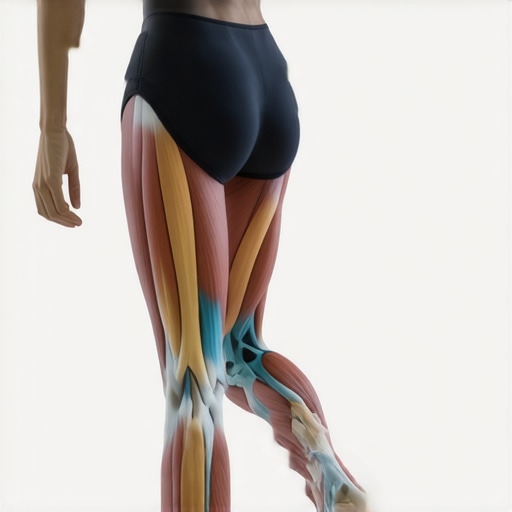
The Lateral Lunge Trick for Opening Up a Stiff Lower Back
I remember the exact moment I realized my lower back was refusing to cooperate. I was trying to bend down to tie my shoes, but it felt like I was yanking on a stiff board instead of my own spine. Ouch. That dull, lingering ache spiraled into a sharp twinge, and I knew something had to change. It was a wake-up call that my mobility, or lack thereof, was holding me back in more ways than I wanted to admit.
Why Stiffness in Your Lower Back Is More Common Than You Think
Dealing with a stiff lower back isn’t just about soreness—it’s a barrier to everyday comfort and activity. I found myself avoiding movement, fearing that every twist or bend would bring discomfort. But here’s the thing: our bodies are designed for mobility, not stiffness. When the lower back refuses to loosen up, it can signal underlying issues that, if ignored, might lead to chronic pain or even injury.
In my case, I was making a common mistake—neglecting the importance of functional exercises that actually target the root of the problem. Early on, I believed that stretching alone would solve everything. Turns out, I was missing a crucial piece of the puzzle. That’s when I discovered the lateral lunge trick, a simple movement that opened up my hips and lower back like nothing else. Want to learn how you can do the same? Stay tuned, because today we’re diving into a proven technique that can make a real difference.
Is This Back Mobility Hack Too Good to Be True?
I understand the skepticism. When I first heard about the lateral lunge trick, I was doubtful. I’d tried so many stretches and routines before, with little lasting improvement. But I also remembered a mistake I made early in my journey—I ignored the importance of proper form and context, thinking any stretch was good enough. That oversight delayed my progress and even caused minor setbacks.
Now, after years of trial, error, and working closely with experts, I can say confidently that incorporating targeted movements like the lateral lunge into your routine can truly transform your back health. If you’re tired of temporary fixes and want a sustainable solution, then you’re in the right place. We’ll explore how to perform this trick safely and effectively, so your back can move freely once again.
Ready to take the next step? Let’s get started and turn that stiff discomfort into flexible, pain-free movement. And if you’ve faced this struggle, drop a comment below—I’d love to hear your story or answer any questions!
Start with Proper Warm-Up Exercises
Before diving into movement routines, warming up is essential. Think of your muscles as a rubber band—cold and stiff, it’s prone to snapping. Gently cycling your hips and pelvis with controlled rotations prepares your joints and soft tissues. I once skipped warm-up before trying a new stretch and ended up with a mild strain. Now, I always include five minutes of light activity—like walking or pelvic tilts—to get everything ready.
Master the Lateral Lunge Technique
The lateral lunge is your secret weapon to releasing stiffness. Step one: stand with feet shoulder-width apart. Step your right foot out wide, keeping toes pointing forward. As you shift weight onto that leg, bend your right knee and push your hips back, like you’re sitting into a chair. Keep your left leg straight, and focus on keeping your chest upright. This action helps stretch your inner thigh, hips, and lower back simultaneously.
Apply a Proper Form Check
To ensure safety, maintain a neutral spine throughout. Imagine your back as a stack of coins—no rounded or sagging positions. Engage your core by gently pulling your belly button inward. I recall when I first tried this move, I was collapsing my chest forward. Correcting my posture made the stretch more effective and prevented unnecessary strain. For guidance, you can compare your form against videos or consult a chiropractor for personalized tweaks.
Incorporate Deep Hip Opening Movements
Once you’ve mastered the lateral lunge, add variations like the frog stretch or pigeon pose. These deepen the hip-opening effect, which in turn reduces tension in your lower back. Remember, your hips are the foundation of spinal health; tight hips can pull your lumbar spine out of alignment, causing stiffness and discomfort. I often combine these stretches with breathing exercises to maximize relaxation.
Progress Gradually and Listen to Your Body
It’s tempting to push into intense stretches immediately, but progress should be gradual. Spend 30 seconds in each position, then increase duration as your flexibility improves. If you experience sharp pain or increased discomfort, stop immediately. A helpful analogy is blooming a flower: it requires patience and gentle pushing, not forcing. In my experience, consistency trumps intensity, and paying attention to feedback prevents setbacks.
Integrate Post-Workout Mobility Routines
End your session with gentle movements like cat-cow stretches or spinal rotations. These promote circulation and remind your muscles of their optimal length. I find that relaxing my spine after activity helps prevent stiffness the following day. Incorporating these routines into your daily schedule can significantly boost your back’s flexibility over time.
To learn more about sustainable solutions, visit this guide on effective chiropractic hacks, which complements active movement with professional support. Remember, progress comes with patience, consistency, and mindful practice.
Many believe that chiropractic adjustments are a quick fix for back pain, but in my experience, this oversimplifies a complex issue. One common myth is that spinal manipulation alone can restore full mobility without addressing underlying factors like muscle imbalances or posture habits. While adjustments can provide relief, relying solely on them often leads to temporary results, and many overlook the importance of a comprehensive approach that includes lifestyle changes and targeted exercises. An advanced nuance many practitioners recognize is the significance of spinal biomechanics during movement, which can be disrupted by subtle misalignments impacting nerve signaling and muscle coordination. Failing to consider these nuances can perpetuate pain cycles despite regular adjustments. A trap to avoid is the assumption that pain is solely a structural problem when, in reality, neurological and functional components play vital roles. For example, studies show that addressing muscle strength and movement patterns can have longer-lasting effects than adjustments alone (see https://quackersspinal.com/boost-your-back-health-simple-yet-effective-chiropractic-hacks). An important question for the advanced reader is: How do proprioceptive feedback mechanisms influence the effectiveness of chiropractic care in restoring mobility? Understanding this can inform more personalized treatment plans that target the root causes of dysfunction. I encourage you to look into chiropractic strategies that integrate neuroplasticity principles, which can accelerate recovery and improve functional outcomes. Remember, the goal is not just pain relief but improving your body’s ability to move freely and confidently. If you’ve ever fallen into the trap of thinking adjustments are the complete solution, let me know in the comments. Let’s dig deeper—your back and neck will thank you.
Maintaining the progress you’ve made in improving back health requires more than just intentions; it demands specific tools, strategic routines, and a proactive mindset. I’ve personally integrated some key equipment and methods into my daily regimen to ensure my back remains flexible, pain-free, and resilient against setbacks. One of the most invaluable tools I’ve found is the use of a high-quality foam roller, particularly the TriggerPoint GRID Foam Roller. Its textured surface provides targeted myofascial release, helping to dissolve knots and restore tissue elasticity, especially in my lumbar and iliopsoas regions. I use it post-workout or during moments of stiffness, and it has become a staple for natural pain relief.
Another indispensable tool is a set of resistance bands. Specifically, I favor the TheraBand Resistance Bands because of their durability and variable resistance levels. These bands allow me to perform controlled, gentle strengthening and stretching exercises aimed at correcting muscle imbalances that often contribute to back and neck pain. Incorporating these into my routine helps maintain muscular support around my spine, preventing minor issues from escalating.
In addition to physical tools, I leverage specialized software for posture monitoring, such as posture tracking apps. These applications provide real-time feedback, prompting me to correct misalignments during my workday, especially when I notice slouching habits that creep in after hours at my desk. Regular posture checks and ergonomic adjustments, supported by these tools, are critical for long-term success.
Looking ahead, I believe the trend points toward increasingly integrated technology—wearable device sensors that provide immediate biomechanical feedback—and AI-driven personalized exercise plans. These innovations will empower patients to take even more control over their mobility and pain management, minimizing dependency on frequent chiropractic visits while promoting autonomous health habits.
How do I maintain this routine over time?
Consistency is everything. I set aside dedicated time each morning and evening for targeted mobility exercises, using my foam roller and resistance bands. I also schedule weekly posture assessments and self-care sessions using the tracking apps. To prevent complacency, I keep my equipment in visible locations, and I stay motivated by tracking my progress, noticing how my flexibility and pain levels improve over months. Remember, patience and persistence are vital—don’t expect overnight miracles. For comprehensive guidance on establishing a sustainable routine, check out this article. One practical tip I suggest trying today is incorporating a daily 2-minute foam rolling session for your hips and lower back to release tension and enhance mobility, which can be a game-changer for your long-term health. Keep active, stay consistent, and listen to your body—your back will thank you for it.
Lessons That Changed My Approach to Back Health
The biggest insight I gained was realizing how often I underestimated the power of mindful movement and consistent routines. I used to think quick fixes and isolated stretches were enough, but true progress required understanding my body’s unique patterns and limitations. Seeing the subtle signs my body gave me, like tight hips or uneven gait, was a breakthrough that shifted my entire approach—and it can do the same for you.
Another lesson learned the hard way was that technology, when used thoughtfully, becomes a valuable ally. From posture tracking apps to foam rollers, tools that I once dismissed now play a crucial role in my daily back health strategy. Embracing these resources has empowered me to sustain mobility gains long-term, and I can recommend them wholeheartedly for anyone serious about overcoming stiffness.
Most importantly, I discovered that patience and perseverance outshine intensity. Progress in back mobility isn’t about pushing to the limit every day but about gentle consistency and respecting your body’s cues. This mindset has helped me avoid setbacks, and it’s a shift that could profoundly change your journey too.
Tools That Made a Difference in My Mobility Journey
My go-to resource list starts with the core chiropractic hacks guide, which provides practical exercises that address root causes. I also rely on the TriggerPoint GRID Foam Roller for myofascial release, helping to dissolve stubborn knots and improve tissue elasticity. The TheraBand Resistance Bands are my trusted companions for strengthening supporting muscles around my spine, preventing future stiffness.
For ongoing posture awareness, I use posture tracking apps. Consistent feedback keeps me aligned and mindful during daily activities. Finally, integrating chiropractic support ensures that my alignment and mobility stay optimized, emphasizing that a combined approach yields lasting results.
Chasing the Dream of Limitless Movement
Every step I’ve taken toward better back mobility has reinforced my belief that progress is a journey, not a destination. If you’re tired of living with stiffness or pain, remember that your body has an incredible capacity to adapt and heal—when given the right tools and dedicated effort. Don’t wait for pain to dictate your life; start today with gentle movements, quality resources, and a mindset that celebrates every small victory.
What small movement or routine will you commit to trying tomorrow to unlock your back’s potential? Share your plan below and let’s support each other’s journeys toward lasting mobility!