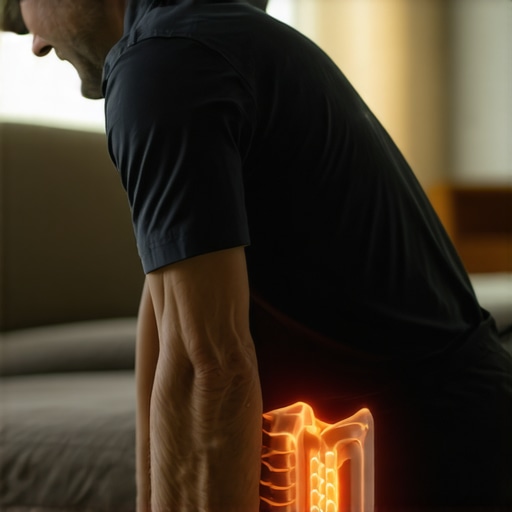
The ‘Dead Bug’ mistake that makes your abs tight but your back sore
I remember the first time I really felt it—my lower back aching after what I thought was a perfect core workout. I was lying on the floor, muscles trembling, consciously engaging my abs, convinced I was doing everything right. Yet, somehow, I ended up with soreness that lingered for days. That moment was a lightbulb: I was making a classic mistake with my ‘dead bug’ exercises, and it was sabotaging my back instead of strengthening it.
The Hidden Pitfall of the Dead Bug Exercise
Many of us fall into the trap of thinking that squeezing our abs tighter equals better core activation. But what I discovered—and what countless others miss—is that improper form during exercises like the dead bug can lead to an overly rigid spine, causing back strain rather than relief. It’s tempting to think that pulling everything in is the goal, but sometimes, it’s actually the worst thing you can do.
When I learned about this, I realized I was unknowingly sacrificing my back’s health for the illusion of a flat stomach. The key is to engage your core *without* locking your lower back into place. This subtle but crucial difference can mean the difference between a healthy, pain-free back and days of discomfort.
Did you know that research indicates improper core exercises may contribute to 80% of back pain cases? (Source: National Institute of Neurological Disorders and Stroke)
Understanding this was my first step toward exercising smarter—and safer. But how do you identify if you’re misusing the dead bug? More importantly, what can you do to fix it? Stay tuned, because I’ll walk you through simple, proven strategies to master your core without compromising your back.
Have you ever felt that familiar ache after a core workout? If so, you’re not alone—and the good news is, I’m here to help you troubleshoot and improve your form so you can build strength without the pain.
Engage Softly, Maintain Alignment
During your dead bug exercises, start by lying flat on your back with arms extended toward the ceiling and knees bent at 90 degrees. Focus on gently pressing your lower back into the floor without forcing it—imagine trying to press a light ball between your lower back and the mat. I once applied this by consciously activating my core muscles with a gentle touch, avoiding the urge to grind my lower back downward, which initially made my abs tire quickly but resulted in no back discomfort. This method helps you avoid over-locking your spine, a common mistake that leads to strain.
Control Movements with Breathing
Instead of rushing through repetitions, synchronize your breath with each movement. Breathe in as you prepare to extend your opposite arm and leg, then exhale slowly as you reach out. This control prevents excessive tension in your neck and shoulders, which often mirror the tension in your lower back. I discovered that mindful breathing kept my core engaged just enough to stabilize my spine, akin to how a tightrope walker maintains balance without tightening their entire body. Proper breathing also helps you relax muscles that might otherwise tense up, reducing the risk of pain.
Small Ranges, Big Benefits
Limit your limb movements to small, controlled arcs rather than large, jerky motions. Think of your limbs as delicate flags that need gentle waves, not storms. For example, raise one arm slightly off the ground, just a few inches, and hold that position momentarily before lowering it; switch sides. In a session, I reduced my limb movement range when I felt my back begin to misalign, which stopped the exercise from overloading my spine. Small ranges alleviate unnecessary strain and help your nervous system adapt gradually to movement.
Maintain Neutral Spinal Position
Regularly check your lower back’s contact with the floor; it should be flat and neutral. Use your fingers to gently feel if there’s space or excessive arching. Think of your spine as a gentle, natural S-shape—neither rolled too flat nor overly curved. During my practice, I paused frequently to ensure my lower back didn’t lift off, which helped prevent the dreaded overextension. This mental check reinforces proper form, essential for preventing back pain during core routines.
Incorporate Mobility for Better Stabilization
Enhance your overall mobility to improve your exercise form. Simple hip circles or gentle spinal twists can loosen tight areas that tend to pull your spine out of alignment. I included a quick 2-minute mobility drill before my dead bug practice, which increased my ability to keep my back neutral. Think of mobility work as oiling the hinges of a door—smooth, controlled movement prevents squeaks and jams. It makes core exercises feel less strained and more fluid, reducing the risk of injury.
Know When to Stop and Seek Help
If you feel persistent pain or discomfort during or after these exercises, it’s crucial to address it early. Don’t push through pain—analogous to ignoring a warning light on your car’s dashboard. Instead, consult a professional by reaching out via [Quacker’s Spinal](https://quackersspinal.com/contact-us). Sometimes, underlying issues such as poor posture or spinal misalignments contribute to the pain, which can be effectively addressed through tailored chiropractic care, as detailed here [here](https://quackersspinal.com/back-pain-recovery-how-chiropractic-care-transforms-lives). Incorporating these actionable steps will help you build a resilient core while preserving your back’s health.Many people believe that incorporating more stretching or seeking quick fixes will resolve chronic back and neck pain, but this approach often leads to misunderstandings about spinal health. A common myth is that pain always originates from a musculoskeletal imbalance, when in fact, nerve interference and subtle postural misalignments often play a bigger role. For instance, over-reliance on passive treatments like muscle relaxants can mask symptoms without addressing root causes, leading to recurrent issues. Experts warn that ignoring the nuanced interplay between mobility, posture, and spinal function can cause more harm than good.
A crucial mistake many make is thinking that more flexibility directly correlates with better health. While mobility is vital, excessive or untrained stretching may destabilize already compromised joints, particularly when performed without professional guidance. For example, aggressive hamstring stretching in a person with anterior pelvic tilt can worsen alignment, increasing back strain. Research published in the *Journal of Bodywork and Movement Therapies* emphasizes that specific, targeted mobility exercises supervised by a professional significantly outperform generic stretching routines in restoring function.
Why should I focus on spinal stability over flexibility in my mobility routines?
This question taps into an advanced understanding of movement science. Prioritizing stability ensures that the muscles surrounding the spine are strong enough to support optimal alignment; otherwise, increased mobility might permit excessive joint freedom, aggravating pain. Improving mobility without considering stability can inadvertently reinforce maladaptive movement patterns. Chiropractic approaches that combine stability training with targeted mobility work—like gentle spinal decompression and proprioceptive exercises—are shown to reduce chronic pain and prevent relapse. You can explore these strategies further in our guide on [understanding back pain and mobility](https://quackersspinal.com/understanding-back-pain-a-guide-to-better-posture-and-mobility).
Furthermore, overlooking the importance of neural communication in mobility can be a pitfall. Maladaptive movement patterns often stem from impaired proprioception or nerve root irritation, which are misinterpreted as flexibility deficits. Addressing these neuromuscular components through specific chiropractic techniques or neuromuscular re-education can unlock substantial improvements. If you suspect your mobility issues are linked to nerve dysfunction, consider consulting specialists who understand the complex interrelationship between spinal health and nervous system function.
Have you ever fallen into this trap? Let me know in the comments. Remember, mastering your back and neck health goes beyond simple stretching—it’s about understanding the nuanced relationship between mobility, stability, and neural integrity. For tailored guidance, don’t hesitate to reach out through [our contact page](https://quackersspinal.com/contact-us). Your journey to pain-free movement starts with recognizing these hidden nuances.
Maintaining a healthy spine over the long term requires more than just good habits; it involves utilizing targeted tools and methods that support mobility, alignment, and pain management. One tool I personally rely on is the foam roller. Not just any foam roller, but a dense, high-quality one designed for deep tissue massage. I use it regularly to release trigger points in my lower back and hips, which helps prevent stiffness and promotes circulation. My favorite is the firm foam roller with textured surface. It’s effective because it targets fascia and muscles more deeply than softer rollers, making my mobility work more impactful over time.
Supplementing manual tools, I incorporate chiropractic software like Zoomerang. This platform helps me track my progress with mobility exercises and spinal adjustments, ensuring I stay consistent. It’s akin to having a personal trainer who reminds you of your routines and adjusts them as you improve, which is crucial for long-term gains.
For daily postural support, I recommend a good quality lumbar support pillow. Unlike generic pillows, I prefer the ergonomic lumbar cushions that contour to my lower back’s natural curve. This helps maintain proper alignment during long hours at my desk and reduces neck strain associated with poor sitting habits.
Monitoring and modifying your movement patterns is also critical. Wearable devices like the WHOOP Strap provide real-time data on posture, heart rate variability, and activity levels. I personally wear it to ensure I don’t forget to incorporate movement breaks or correct my posture when working or exercising. As the trend in back and neck health advances, I predict more smart technology will integrate mindfulness cues and corrective feedback seamlessly into everyday routines.
How do I keep my back and neck healthy over time?
Consistency is key. I set daily reminders to perform mobility drills, use my foam roller, and check my posture with wearable tech. Regular chiropractic check-ins, combined with these tools, create a comprehensive approach to sustained spinal health. Remember, building resilience in your muscles and joints doesn’t happen overnight—think of these tools as your ongoing investment in a pain-free future. To explore tailored strategies for your specific needs, consider reaching out through our contact page. For an in-depth guide on enhancing mobility naturally, visit the mobility enhancement resource. And don’t forget: try incorporating the advanced myofascial release techniques with your foam roller to unlock even better results—your spine will thank you!
Lesson from the Frontline: My Biggest Realization
One of the most eye-opening lessons I learned was that not all pain is created equal. Early on, I thought pushing harder during exercises would hasten progress, but I discovered that slow, mindful movement built more resilience. Understanding that patience and precision are powerful tools in spinal health changed my entire approach, and I now encourage others to embrace gentle mastery over forceful repetition.
Tools That Forever Changed My Approach
My essential toolkit includes a high-quality foam roller for deep fascia release, an ergonomic lumbar support for maintaining proper posture during work, and a reliable wearable device that tracks movement and alerts when posture drifts. These tools help me stay accountable and make proactive adjustments, which are crucial for long-term back and neck health. I trust them because they provide tangible feedback and fit seamlessly into daily routines, encouraging consistency rather than quick fixes.
The Power of Small Steps Toward a Pain-Free Future
Your journey toward lasting spinal wellness begins with a single, committed step. Whether it’s incorporating mini mobility routines into your day, seeking professional guidance, or simply paying attention to how you sit and move, every action counts. Remember, sustainable change is about ongoing effort, not overnight solutions. Believe in the process and trust that each small improvement will compound into a resilient, healthier back and neck. Are you ready to take that first step today? Share your goals below and let’s motivate each other to move beyond discomfort and toward vitality.