The move that fixes ‘pelvic tuck’ when you sit on the couch
Ever catch yourself slouching on the couch, only to realize your pelvis is tucked under in a way that makes your lower back feel stiff and achy? I’ve been there—one evening, after sitting for hours binge-watching my favorite series, I noticed a sharp discomfort that I couldn’t ignore. That moment was a wake-up call, revealing how tiny habits like sitting can silently sabotage our spinal health.
If you’ve ever felt that nagging tightness or discomfort after sitting, you’re not alone. It’s a surprisingly common issue—one that many simply accept as part of life. But here’s the truth: with just a few mindful adjustments, you can fix that pelvis tuck and reclaim your comfort. Today, I promise to share the move that turned things around for me and can do the same for you.
Why Your Couch Sitting Is Sabotaging Your Back
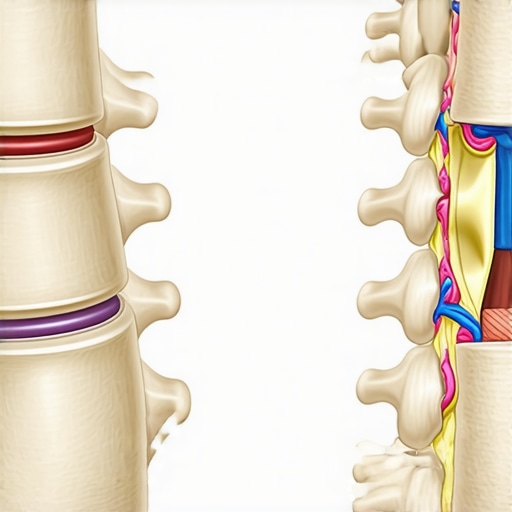
When we settle into our favorite spot on the sofa, our bodies tend to drift into a familiar, but problematic posture. The pelvis naturally tilts forward or tucks under in an attempt to find comfort, unintentionally causing an imbalance that strains the lower back muscles and joints. Over time, this seemingly harmless habit can lead to chronic discomfort, reduced mobility, and even more serious issues like herniated discs.
Early on, I made the mistake of ignoring this misalignment, thinking it was just a matter of sitting a little differently. But neglecting these signs can escalate problems, so I dove into research and consulting with chiropractors. It turns out, that small pelvic tuck can be fixed—more easily than I’d imagined—by learning to activate the right muscles when I sit. Studies show that poor sitting posture contributes significantly to back pain, and correcting it can result in rapid improvements in comfort and function. For more insights, check out how chiropractic care transforms lives.
So, are you tired of feeling stiff and sore after your couch sessions? If so, I invite you to explore the move that finally helped me sit more comfortably, without sacrificing relaxation or unwinding time. Let’s dive into how you can make this simple adjustment a game-changer for your back health.
Is Fixing Your Pelvic Tuck Actually Worth the Hype?
At first, I was skeptical. I wondered if this was just another trendy tip that wouldn’t make a real difference. I also worried I might be doing it wrong or making things worse. Honestly, my biggest mistake early on was trying to force a perfect posture without understanding my body’s natural cues. Thankfully, I learned that slowing down and focusing on muscle activation, rather than just pushing my pelvis into a certain position, made all the difference. If you’ve faced similar doubts, know that many others have benefited from a mindful approach—there’s solid evidence that making targeted, gentle adjustments can improve your mobility and ease pain. To learn more about effective strategies, consider exploring proven chiropractic strategies for back mobility.
Engage Your Core Before Sitting
One of the most effective ways to prevent your pelvis from tucking during sitting is to activate your core muscles beforehand. When I first tried this, I found it awkward—like trying to brace for a punch—but the key is gentle engagement. Lie down, take a deep breath, and as you exhale, gently draw your navel in towards your spine, feeling your abdominal muscles tighten. Then, sit down slowly on a chair or your sofa, maintaining that tension. This creates a stable base, reducing the tendency for your pelvis to tilt forward and helps keep your lower back aligned. Practice this for a few minutes daily, and you’ll notice less stiffness after sitting.
Adjust Your Seating Technique
Choose a seat that allows you to sit with your hips slightly higher than your knees, promoting a natural pelvis tilt. When I realized I was slouching because my chair was too deep or the height was off, I started using a small cushion to elevate my hips. Sit back fully, ensuring your pelvis is in a neutral position—imagine tipping your pelvis slightly backward, like a bicycle seat in a comfortable position. Keep your feet flat on the floor and avoid crossing your legs, which can cause lateral tilting. This alignment supports your lumbar curve and prevents tuck-induced discomfort. Experiment with different cushions or adjustable chairs until you find the optimal position.
Practice the Pelvic Reset Movement
Incorporate a simple, daily movement to reset your pelvis during long sitting sessions. I do this during work breaks—standing up, placing my hands on my hips, and gently rocking my pelvis forward, then backward. It’s akin to a mini wave that loosens tight muscles and resets your alignment. Over time, I noticed a significant reduction in lower back tension after repeatedly practicing this movement every hour. To make it more effective, focus on slow, controlled motions, and breathe deeply as you rock. This technique reverses the habitual tuck, retraining your muscles to maintain a healthy tilt even during extended sitting periods.
Strengthen Supporting Muscles
Weak glutes and hip flexors often contribute to poor pelvic control. I added targeted exercises like bridges—lie on your back with knees bent, lift your hips toward the ceiling, squeeze your glutes, and hold for a few seconds. Start with two sets of ten repetitions, gradually increasing as your strength improves. These exercises power up the muscles responsible for keeping your pelvis in check. Incorporate side-lying clamshells or single-leg Romanian deadlifts to further activate hip stabilizers. Strengthening these areas creates a robust support system, making it easier to maintain alignment while sitting and reducing strain on your lower back.
Use Reminders and Mindfulness
Set discreet reminders on your phone or workspace to check your posture. When I placed sticky notes on my monitor, they prompted me to sit tall and straighten my pelvis throughout the day. Pausing every 30 minutes to assess your position trains you to develop awareness—like a conductor tuning their orchestra. Coupling this with deep breathing exercises enhances relaxation, which further eases muscular tension and supports proper alignment. The key is consistency—small, mindful adjustments compound over time to create lasting habits that protect your back.
Verify Your Progress
Once you’ve practiced these steps consistently, test your pelvis position by lying supine and performing a pelvic tilt assessment. Lie on your back, knees bent, feet flat, and gently tilt your pelvis to flatten your lower back against the floor—this is the neutral position. If the movement feels smooth and effortless, you’re on the right track. Feel free to consult a chiropractistor or physical therapist if you’re unsure about your form or if discomfort persists. They can offer personalized guidance and ensure your technique promotes lasting spine health.
For detailed strategies on enhancing back mobility, explore chiropractic strategies for back mobility.
When it comes to mobility, many assume the basics are enough—stretch regularly, stay active, and visit a chiropractor when needed. But let’s challenge that notion. The truth is, most common advice overlooks subtle yet crucial aspects that can make or break your progress. For example, a widespread misconception is that static stretching alone can fix mobility issues. While beneficial, research from the Journal of Sports Sciences indicates that dynamic movements and neuromuscular training yield more sustainable improvements in joint function and movement patterns. Relying solely on stretching can sometimes be counterproductive, leading to overstretching of passive tissues without addressing underlying control deficits.
Another sneaky trap many fall into revolves around neck pain solutions. The popular belief is that neck stiffness results primarily from muscle tightness, prompting us to focus exclusively on soft tissue work. However, a deeper dive reveals that joint mobility and proprioceptive feedback are often the real culprits. Neglecting to assess the cervical spine’s joint health can result in temporary relief but persistent problems. Experts like Dr. Robin Revesz emphasize that restoring cervical joint motion is essential, and combining chiropractic adjustments with targeted stabilization exercises produces better, longer-lasting outcomes. Check out her expert tips for neck pain relief for more.
Misunderstanding the role of the nervous system in movement control can be a rookie mistake, especially in managing back pain. Many think pain equals tissue damage, leading to immobilization and fear. Conversely, recent findings show that pain often stems from sensitized neural pathways rather than structural issues alone. Engaging in controlled, movement-based approaches helps desensitize these pathways. For example, clinicians highlight that cortico-spinal excitability can be modulated through specific motor control exercises, improving both pain and function. This approach aligns with advances in neuroplasticity research, reminding us that pain management extends beyond simple manual therapy.
Now, why do these nuances matter? Because understanding these layers enhances your ability to tailor interventions effectively. Instead of cookie-cutter routines, incorporating dynamic, neuromuscular, and neurophysiological insights promotes faster, more resilient mobility and pain relief.
Got caught up in any of these common pitfalls? I encourage you to share your experiences below. Remember, real progress lies in recognizing and addressing the subtleties others often overlook. Curious to learn more? Explore advanced chiropractic techniques that integrate these principles for lasting results.Maintaining your mobility and pain-free movement over time requires effective tools that support your efforts daily. My personal favorite is the use of a foam roller, particularly the smaller diameter ones designed for targeted trigger point release. I use mine every morning to loosen up tight muscles around my thoracic spine and hips, which helps prevent stiffness that can escalate into pain. The key is consistent, gentle self-massage—avoiding aggressive rolling that might irritate tissues. Additionally, I incorporate myofascial release balls, which are small enough to reach the suboccipital area at the back of my neck and are invaluable for relieving tension after long hours at a desk. The reason I prefer these over other tools is their affordability and portability, making it easy to stay proactive regardless of location.
For tracking progress and ensuring proper movement patterns, I recommend using a simple posture app like ‘Upright GO.’ It vibrates gently when you slouch, providing immediate feedback to correct your posture. This real-time reinforcement helps ingrain healthier habits with minimal effort. Over time, these cues can turn into subconscious adjustments, promoting long-term benefits.
Looking ahead, the trend in long-term spinal health points toward integrating wearable technology with biofeedback to aid daily movement and posture awareness. Devices that monitor spinal alignment and muscle activation are becoming more sophisticated and accessible, meaning you can proactively manage your health rather than waiting for pain to manifest.
How do I maintain my back and neck health tools over time?
To keep these tools effective, regular cleaning and replacing consumables, like massage balls, are crucial. For foam rollers, I suggest inspecting for cracks or worn areas every few months and replacing them if they lose their firmness. Using your tools consistently—say, every morning or after long sitting periods—maximizes their benefits. Moreover, pairing physical tools with targeted exercises, such as the pelvic clock move to loosen stubborn lower back areas, enhances overall results. Implementing a routine that combines manual tools, mindful movement, and professional guidance ensures your spinal health is supported holistically. Remember, little habits, maintained regularly, compound into significant long-term improvements. Want to deepen your understanding? Explore advanced chiropractic techniques that incorporate these tools for even greater effectiveness. Giving these tools a dedicated space and time in your daily routine can be a game-changer—so pick one today and start your journey to sustained mobility and pain relief. 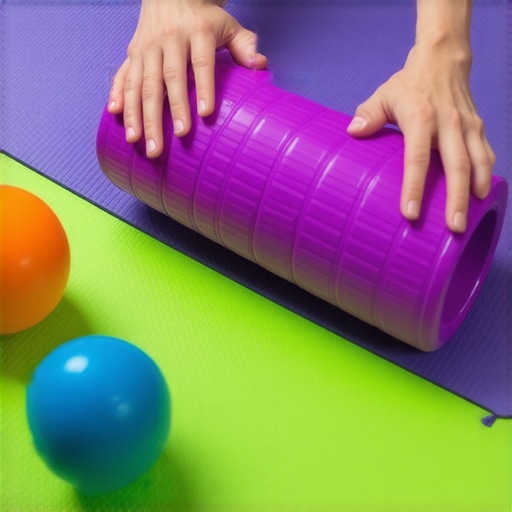
What I Finally Realized About Staying Mobile and Pain-Free
The journey to better mobility and relief from neck or back pain isn’t about pushing harder or following the latest trend blindly; it’s about listening to your body and understanding its subtle cues. I once believed that stretching was enough, but discovering the power of mindful muscle activation opened my eyes to a deeper level of self-care. That lightbulb moment showed me that real change comes from integrating movement, awareness, and gentle strength work—something I wish I had known earlier. The most valuable lesson? Progress isn’t linear, and patience paired with consistent practice yields lifelong benefits.
My Go-To Tools for Lasting Back and Neck Health
The right tools can make all the difference. My personal toolkit includes a compact foam roller for daily thoracic release because I trust its ability to loosen tight tissues efficiently. I also rely on myofascial release balls, especially for stubborn neck tension; their portability means I can use them anytime inspiration strikes. Complementing these is the ‘Upright GO’ posture sensor, providing gentle real-time feedback—helping me stay mindful and on track. These favorites have become integral to my routine, supporting continuous improvement and helping me prevent issues before they escalate.
Keep Moving Forward—Your Future of Mobility Awaits
Remember, every small effort you make toward understanding and improving your spinal health compounds into significant long-term gains. Whether it’s activating your core before sitting, practicing pelvic resets, or simply staying mindful of your posture, you’re paving the way for a pain-free, more mobile life. Don’t let setbacks discourage you—each mindful step is a victory. If you’re ready to take your mobility to the next level, explore the proven strategies available at my recommended resources. Your journey to lasting comfort starts now—embrace it and move with confidence!