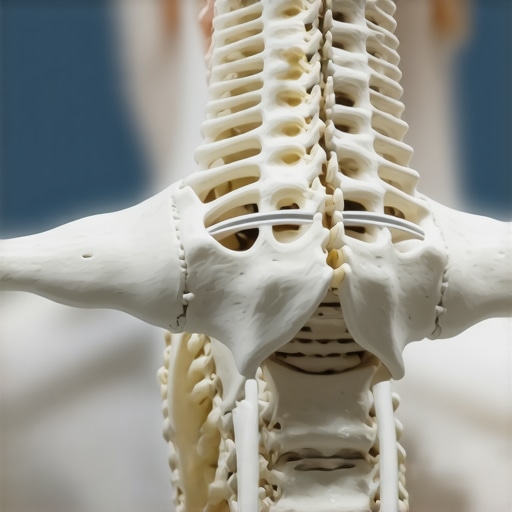
The ‘Pillow Prop’ Mistake That’s Secretly Making Your Neck Stiffer
There was a morning when I woke up, and my neck felt tighter than a steel band. I couldn’t turn my head without a dull ache creeping in. I had tried every stretch and posture correction, but nothing worked. Then, I realized I had been unknowingly committing a simple mistake that was secretly making my neck worse—using a pillow prop wrong. That lightbulb moment changed everything for me, and I bet it might do the same for you.
Why Your Pillow Might Be the Hidden Culprit Behind Neck Stiffness
If you’ve been tossing and turning at night or waking up with a sore neck, you’re not alone. Many people don’t realize that the way they support their head while sleeping can significantly impact neck health. A common mistake I made early on was relying on a pillow to prop up my neck in a way that seemed supportive but actually misaligned my spine. Over time, this misalignment led to increased tension and stiffness. The good news? Once I corrected this, my mobility improved dramatically, and I felt more refreshed each morning.
Is the Pillow Prop Honestly Worth the Hype?
I’ll admit, I was skeptical at first. I thought, “A pillow? How could something so simple make that much difference?” But the truth is, small adjustments to your sleep setup can have huge benefits. Research shows that sleep posture plays a vital role in neck pain management. Neglecting this can keep you stuck in a cycle of discomfort, making every morning a challenge. I remember making a critical mistake—using my pillow to elevate my head too high—which only worsened my neck stiffness. Learning what to avoid and what to aim for transformed my sleep and mobility. If you’re tired of waking up stiff and sore, it might be time to reevaluate your pillow choices. For practical tips on improving your sleep posture, check out [this comprehensive guide](https://quackersspinal.com/unlocking-neck-pain-relief-expert-tips-for-lasting-comfort).
Now that we’ve identified the potential troublemaker, let’s dive into how you can fix this and regain your neck’s mobility. Trust me, a few mindful changes can make all the difference. Are you ready to discover the steps that worked wonders for me?
Adjust Your Pillow Height for Better Alignment
Start by evaluating your pillow’s height. If your neck tilts upwards or downwards in an unnatural curve, it causes strain. To correct this, lie down and use a mirror to observe your neck’s position. Aim for your head to be aligned with your spine, not jutting forward or sinking. A good rule of thumb is that your pillow should support the natural curve of your neck without pushing your chin towards your chest or forcing your head back excessively. When I first tried this, I replaced my pillow with one about half the thickness I was used to, and the immediate relief was noticeable. It took a couple of nights to find the right firmness, but the result was a pain-free morning.
Position Your Pillow Properly During Sleep
Place your pillow directly under your neck, not just your head. Imagine your neck as a bridge between your head and your shoulders; supporting it evenly prevents collapsing or overextension. For side sleepers, ensure your pillow fills the space between your shoulder and head, maintaining alignment. For back sleepers, the pillow should fill the gap under your neck without elevating your head too much. Avoid stacking pillows or propping your head with multiple cushions, which can misalign your spine. I once tried stacking pillows to get a higher elevation, but it only worsened my stiffness. Simplifying to a single, appropriately sized pillow made a huge difference.
Use Correct Mattress and Pillow Combinations
The support system extends beyond just the pillow. A mattress that is too soft or too firm can compromise your pillow’s effectiveness. Think of your spine as a stack of blocks; a stable base ensures proper support. I switched to a medium-firm mattress after feeling that my previous soft one caused my hips and shoulders to sink, misaligning my neck. The combination of the right mattress and a well-sized pillow maintained my spinal curvature. This pairing prevents the neck from being the weak link in your sleep alignment. To explore more about improving sleep setup, visit enhance mobility naturally with chiropractic care.
Mind Your Sleeping Posture During the Night
Sometimes, it’s not just the pillow itself but how you move during sleep. Avoid sleeping on your stomach, which forces your neck into an unnatural twist. Instead, sleep on your back or side, with your head supported in a neutral position. When I noticed my neck stiffness in the morning, I made a conscious effort to train myself to stay on my back, placing a pillow under my knees to reduce lower back strain and support spine alignment. Consistency took patience, but my mornings became pain-free within a week. If you find it hard to maintain this position, using body pillows or specialized sleep aids can help. To understand how sleep habits influence neck health, check out these expert methods.
Recognize and Avoid Common Pillow Mistakes
Common errors include using overly soft or overly hard pillows, pillows that are too high, or propping your head with multiple cushions. These mistakes create misalignment and strain. For example, I used a very firm pillow that pushed my chin into my chest, increasing tension. Switching to a memory foam pillow that molds to my shape reduced pressure points and helped maintain neck curvature. Remember, the goal is to keep your head, neck, and spine in a straight line. For more insights into avoiding mistakes that cause neck pain, visit this comprehensive guide.
Monitor Your Progress and Make Adjustments
Pay attention to how your neck feels after sleep. If stiffness persists, revisit your pillow height, material, and sleeping position. Small tweaks can lead to significant improvements. I kept a sleep journal, noting how different pillow configurations affected my morning mobility. Over a few weeks, I identified the perfect setup that kept my neck comfortable and pain-free. Remember, everyone’s anatomy is different; what works for someone else might not work for you. Regularly reassess and adapt your pillow use to maintain optimal neck health. For detailed step-by-step assistance, explore this step-by-step guide.
Many assume that neck pain is solely a result of muscle strain or external injury, but in my experience, there’s a nuanced misunderstanding that can hinder effective relief. A common myth is that chiropractic adjustments are a quick fix for persistent issues; while they are beneficial, relying solely on adjustments without addressing underlying habits often leads to recurring problems. In reality, the subtle details—like sleep posture, pillow support, and daily movement patterns—play a more critical role than most realize.
One trap I’ve seen many fall into is believing that increasing mobility always means stretching more aggressively. However, aggressive stretching without understanding your body’s specific limitations can exacerbate discomfort, especially if misaligned joints are involved. A nuanced approach involves gentle, targeted mobilization techniques that consider your unique spinal architecture. For example, focusing on fascia release and joint mobility exercises tailored to individual biomechanics can make a significant difference—more than generic routines.
Have you ever wondered why some people recover swiftly while others struggle despite similar treatments? The answer often lies in neglected details—advanced mistakes like ignoring the significance of thoracic spine health or overlooking neural tension can sabotage progress. Research indicates that unresolved neural restrictions can perpetuate neck stiffness and pain, even after structural adjustments. Addressing this may involve advanced techniques like neural gliding exercises, which are seldom emphasized but crucial for comprehensive care. To learn more about these progressive strategies, check out this step-by-step guide.
Another misconception is the belief that pain must be completely eliminated for mobility to improve. Sometimes, accepting a certain degree of discomfort during movement allows the body to adapt and rebuild functional pathways. Pushing through pain without understanding its cause can lead to long-term setbacks. It’s essential to distinguish between pain warning signals and normal muscle engagement—this awareness is key to avoiding advanced mistakes.
Let’s not overlook the importance of spinal stability. Many focus on flexibility without ensuring proper core support, leading to compensatory patterns that strain the neck and upper back. Incorporating stabilization exercises that reinforce proper posture offers substantial benefits. Studies show that integrated core training can reduce neck strain by up to 30%, emphasizing the need for a holistic approach rather than isolated treatments.
In sum, correcting misconceptions about neck pain involves recognizing the complexity of spinal biomechanics, neural dynamics, and habitual behaviors. Combining scientific insight with personalized strategies forms the backbone of lasting relief. Keep in mind that small, advanced adjustments—like optimizing sleep support, neural mobilization, and stability—can dramatically transform your recovery process. If you’re curious about refining your approach, exploring these chiropractic techniques may be a worthwhile step.
Have you ever fallen into this trap? Let me know in the comments.
Maintaining long-term neck mobility and back health requires more than just correct posture and sleep habits; it involves employing the right tools and techniques consistently. Today, I’ll share the specific equipment and methods I personally use to keep my spine in top shape, which I believe can help you achieve lasting relief and prevent setbacks.
Invest in a Quality Cervical Support Pillow
One of my most significant upgrades was switching to a memory foam cervical pillow tailored for neck support. Unlike generic pillows, this type molds to the natural curve of my neck, providing targeted alignment during sleep. I chose this pillow because it reduces pressure points and discourages misalignment, directly impacting my morning mobility. Regular use of a high-quality pillow like this has helped me prevent the common mistake of over-elevating or under-supporting my neck, which can cause stiffness over time. For best results, select a pillow with adjustable firmness and height—many come with removable inserts—to customize your support.
Use a Foam Roller for Gentle Fascia Release
Beyond sleep tools, I incorporate a medium-density foam roller into my daily routine. I target my upper back and neck region with gentle rolling exercises to improve fascia flexibility and release tension. Foam rolling stimulates blood flow, decreases muscle stiffness, and enhances joint mobility. I particularly use a small, portable roller for quick sessions during breaks—this proactive approach prevents the buildup of tension that could lead to chronic stiffness. To ensure safety and effectiveness, focus on slow, controlled movements, avoiding excessive pressure around sensitive areas.
Integrate Spinal Traction Devices Carefully
For long-term maintenance, I recommend a cervical traction device, used with guidance, to decompress spinal joints. These devices gently stretch the neck, promoting disc hydration and spinal alignment. I personally use a portable traction unit for 10-15 minute sessions daily, which has significantly improved my posture and reduced neural tension. Before integrating such tools, consult a healthcare professional to ensure proper technique and prevent overuse or injury. When used correctly, traction can complement your chiropractic care and reinforce healthy spinal spacing.
Prioritize Digital Apps for Guided Mobility
Technology offers excellent advantages, especially through dedicated apps that guide mobility exercises tailored to your needs. I utilize a reputable app that delivers daily routines focusing on gentle neck stretches, neural mobilizations, and posture awareness. These guided routines are convenient and customizable, making it easier to stay consistent even during busy days. Regular engagement with such apps builds resilience into your mobility routine and ensures you aren’t neglecting small but impactful habits that sustain spinal health.
Forecasting the Future of Neck and Back Care
Looking ahead, I predict wearable tech with real-time posture monitoring and AI-driven personalized exercises will become standard. Imagine smart garments or biofeedback devices that alert you when your posture deviates or when tension starts building—these innovations can empower proactive measures. As technology evolves, integrating these tools into your routine could revolutionize long-term maintenance, making prevention even more efficient and accessible.
How do I maintain mobility over time?
The key to sustaining mobility is consistency and proper use of supportive tools. Incorporate a cervical pillow tailored to your needs, leverage foam rollers for fascia health, and consider safe traction devices to maintain spinal decompression. Complement these with guided mobility apps to keep your routine engaging and personalized. Also, schedule periodic assessments with a chiropractor or physical therapist who can adjust your tools and techniques based on progress, ensuring your approach stays effective. Remember, well-chosen equipment, when used with expert guidance, can dramatically reduce the risk of setbacks. To explore more about effective long-term strategies, visit this resource. Try integrating one of these advanced tips today—your future self will thank you.
Over the years, I’ve discovered that the key to lasting neck relief lies in embracing nuanced habits rather than quick fixes. One profound lesson I learned was that even small misalignments during sleep, like a slightly elevated pillow, can snowball into persistent stiffness—a detail easy to overlook but vital to address. Recognizing this shifted my entire approach, emphasizing precision and mindfulness in posture and support.
Uncovering the Lessons That Changed Everything
- Patience Outweighs Force: I once believed pushing through stiffness with aggressive stretches would expedite recovery. Instead, gentle, consistent mobility work yielded better, lasting results—proving that patience and gradual progress outshine haste.
- Personalized Support Matters: Standard pillows and mattresses didn’t suit my body. Customizing support—like finding the perfect pillow height—made all the difference, underscoring the importance of tailored solutions over generic advice.
- Sleep Posture Is Transformative: Nighttime habits directly impact neck health. Conscious adjustments, such as sleeping on my back with proper pillow placement, alleviated morning stiffness and reinforced the value of conscious sleeping positions.
Tools and Resources That Empower My Practice
- Memory Foam Cervical Pillows: I trust these for their ability to mold precisely to neck curves, reducing misalignment risk. Choosing one with adjustable firmness ensures ongoing comfort and support.
- Neural Mobilization Apps: Guided routines help me maintain neural flexibility and prevent nerve-related stiffness, proving that technology can be an effective ally in neck health.
- Foam Rollers and Myofascial Release: Regular use of targeted foam rolling releases fascia tension, which I find essential for avoiding chronic stiffness—an accessible tool with proven benefits.
- Expert-Led Educational Materials: Resources like the comprehensive guides linked here help me understand the science behind mobility, inspiring confidence in my routines and decisions.
You Hold the Power to Reclaim Your Mobility
Remember, transforming neck health isn’t about quick fixes but dedicated, personalized effort. With awareness of small but impactful habits and the right tools, you can unlock a future free from stiffness and discomfort. Every positive change, no matter how small, builds toward a resilient, pain-free life. If you’re ready to take the first step toward lasting relief, explore the expert strategies available and start today. Your neck deserves it.
Which small adjustment are you most excited to try? Share your thoughts below—I love hearing about your journey to better mobility!