The Simple Reason Your Ribs Ache After Using a Laptop
Have you ever settled in for a long work session on your laptop, only to find yourself later rubbing your ribs or feeling a strange dull ache? I used to dismiss it as normal fatigue, but one day, that dull ache turned into a sharp discomfort that wouldn’t fade. It was a real lightbulb moment for me — realizing that my ergonomic habits were silently sabotaging my health. If you’ve experienced similar sensations, you’re not alone, and the good news is, there are straightforward ways to address this.
Understanding the Root Cause of Rib Discomfort from Laptop Use
Is this just a transient ache or something more serious?
The truth is, many of us underestimate how our posture affects even the muscles and ribs around our torso. Sitting hunched over a laptop often leads to compromised spinal alignment, which can place undue stress on your ribcage muscles and joints. I made the mistake early on of ignoring the discomfort, thinking it was just temporary. But neglecting proper ergonomics can lead to chronic tension and pain, which might require more than just stretching to fix. Research indicates that poor posture can cause musculoskeletal issues that persist if not addressed — worth a read on relieving neck and back discomfort.
Now, I’m here to help you identify the habits that might be causing your rib ache and, more importantly, how to correct them. We’ll go over practical steps to realign your posture, ease your discomfort, and prevent this issue from recurring.
Adjust Your Workspace for Better Posture
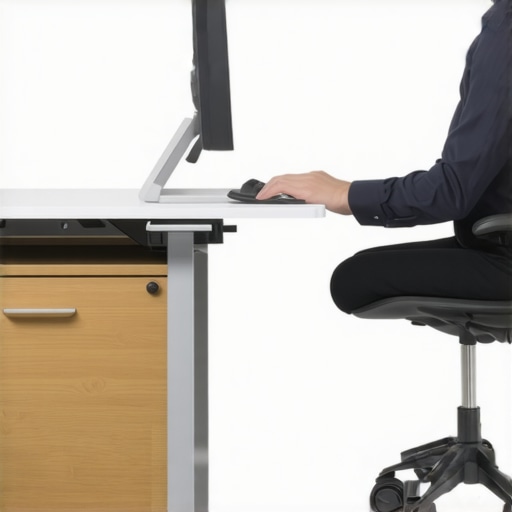
Start by setting your laptop at eye level to prevent hunching forward. Use a sturdy stand or stack books until your screen is at or just below eye height. This simple tweak keeps your neck aligned and reduces the strain on your ribcage muscles. I remember stacking cookbooks on my desk during a busy week, which initially looked messy but significantly reduced my rib pain and improved my focus.
Incorporate Micro-Movements Throughout the Day
Practice Dynamic Sitting
Rather than remaining static, shift your positions every 20-30 minutes. Stand up, stretch your arms overhead, and clasp your hands behind your back while gently opening your chest. These movements help relieve tension accumulated from prolonged hunching and encourage better spinal alignment. I once set a timer for each break, which was chaotic initially but became an effective habit that eased my rib discomfort over time.
Engage Your Core Regularly
Strong core muscles support your spine and prevent slouching. Practice subtle abdominal contractions while seated—imagine pulling your belly button towards your spine without holding your breath. Over time, this builds endurance, making proper posture second nature. I started doing quick core activations during meetings, noticing a reduction in tension around my ribs and lower back.
Apply Targeted Mobility Techniques
Use chest-opening stretches to counteract the forward hunch. Stand in a doorway, place your forearms on the frame, and gently step forward to stretch your chest muscles. This stretch alleviates tightness pulling your shoulders and ribcage forward, which I personally found effective after hours of screen time.
Reinforce Good Habits with Professional Guidance
Consider consulting a chiropractor for personalized adjustments and rehabilitation strategies. They can identify misalignments or muscle tightness contributing to your discomfort and provide targeted exercises. Visiting a professional transformed my posture, making these routines more effective and sustainable. Learn more about how chiropractic care can help enhance your mobility naturally.
Prioritize Restorative Practices
Finally, ensure you’re getting adequate sleep with a supportive pillow that keeps your neck and spine aligned. Avoid sleeping on your stomach, which can strain your ribs and neck. I switched to a cervical pillow and noticed immediate relief upon waking, feeling less stiff and more mobile.
Many people assume that mobility exercises and chiropractic treatments are simple fixes for pain, but in reality, there’s a lot more nuance than most realize. A common misconception is that any stretching or adjustments will automatically improve your condition. However, experts like Dr. Mike Schultz emphasize that *not all movement is beneficial* unless it addresses the root cause of the dysfunction. For example, foam rolling your lower back without understanding the underlying structure can actually worsen your pain if done improperly, leading to increased inflammation rather than relief. This is why, before jumping into generic routines, it’s essential to assess the quality and purpose of your movements. Studies in the *Journal of Orthopaedic & Sports Physical Therapy* highlight that targeted, personalized interventions outperform generic protocols, especially in chronic cases. Additionally, many believe that chiropractic adjustments instantly fix all issues, but the truth is, *consistent, comprehensive care* is key, and ignoring post-adjustment care can lead to setbacks. One trap to avoid is the misconception that pain should always be eliminated immediately; sometimes, managing inflammation and improving mobility gradually yields better long-term results. Consider integrating expert strategies from trusted sources, such as exploring proven chiropractic approaches which focus on restoring function rather than just alleviating symptoms. Have you ever fallen into this trap of thinking that quick fixes are enough? Let me know in the comments. Remember, mastering healthy movement is about understanding your body’s nuances and avoiding common pitfalls that could hinder your progress.
Investing in the right tools can make a significant difference in how effectively you maintain your mobility and manage pain long-term. From ergonomic equipment to digital resources, each adds a layer of support that encourages consistency and proper practice. I personally rely on a few key items that have transformed my daily routine and helped prevent setbacks.
Ergonomic Workspace Accessories
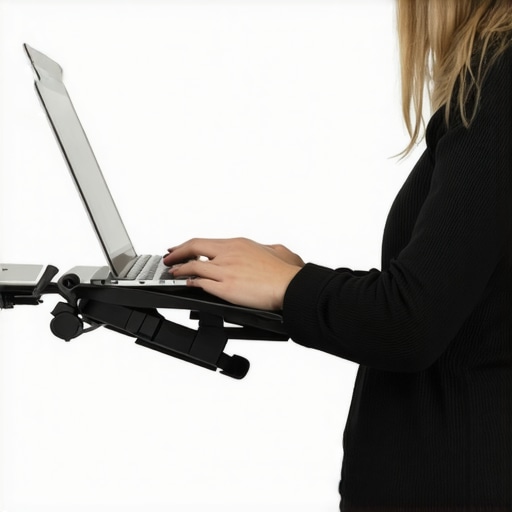
A high-quality adjustable sit-stand desk has been a game-changer for me. It allows for seamless switching between sitting and standing, which reduces prolonged strain on the spine and ribs. I use a desk converter that elevates my laptop to eye level, decreasing hunching — a habit that often leads to chronic discomfort. Coupled with an ergonomic keyboard and mouse, this setup ensures my arms, shoulders, and back stay aligned. If you’re serious about long-term improvements, exploring chiropractic strategies to restore back mobility can offer tailored guidance for your specific needs.
Smart Monitoring Devices
Wearable technology like posture sensors offers valuable real-time feedback. I use a discreet device attached to my upper back that vibrates gently if I slouch — prompting immediate correction. This constant awareness fosters habits that outlast the device’s use. Technology in this realm is advancing rapidly, promising even smarter solutions that integrate with your smartphone, offering personalized coaching based on your movement patterns. Looking ahead, AI-driven apps will likely become standard tools for preventing chronic pain before it ever manifests.
Targeted Mobility Tools
Foam rollers and massage balls are staples in my routine. Particularly, I favor a dense foam roller designed for thoracic mobility. Spending just a few minutes rolling out tight spots helps keep my chest open, counteracting the forward hunch from desk work. I recommend learning specific techniques through resources like chiropractic techniques to boost mobility. Proper use of these tools ensures you’re addressing the root causes of stiffness, not just temporary relief.
Educational Resources and Protocols
Accessible online courses and apps focusing on posture and movement improve adherence and knowledge. I started using a detailed program that combines video tutorials with daily checklists, making it easier to track progress. As research suggests, personalized, consistent education accelerates long-term results and helps avoid common pitfalls like over-stretching or neglecting core stability exercises.
How do I keep this all working without lapsing into old habits?
Consistency is key. Schedule daily or weekly check-ins to evaluate your tools and routines. Use reminders—digital or physical—to prompt movement and adjustments. Additionally, consult professionals periodically—such as chiropractors—for assessments and personalized advice. They can identify evolving issues before they become persistent pain points. For example, visiting a chiropractor ensures your approach adapts with your changing body and lifestyle.
To make the most of these tools, commit to integrating them into your daily habits. Start with one item—like a posture sensor or foam roller—and gradually build your comprehensive approach. Remember, sustained effort, combined with high-quality tools and expert guidance, paves the way for lasting mobility and pain-free living. Consider trying the chest-opening technique with a doorway stretch, which I find particularly effective in restoring thoracic mobility—something that experts endorse for combating forward hunching caused by desk work.
Over the years, I’ve learned that creative, personalized approaches often yield the most lasting results in managing mobility and pain. One of my toughest lessons was realizing that conventional advice isn’t always enough—that understanding the subtle nuances of my own body’s responses was key. I began experimenting with different techniques, paying attention to how my body reacted, which led me to discover unexpected benefits from simple adjustments I hadn’t considered before. For instance, incorporating targeted breathing exercises alongside mobility routines amplified my relief, highlighting the importance of holistic strategies. This journey taught me that patience and curiosity are vital in uncovering what truly works for your unique body, empowering you to reclaim your mobility and live pain-free.