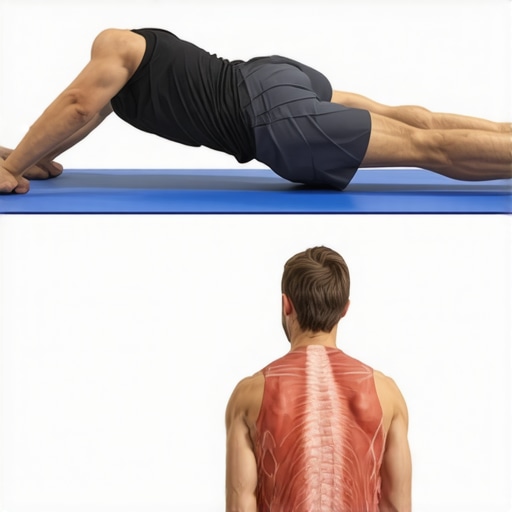
The specific way to get out of a car with sciatica
It’s that sinking feeling when you open the car door, ready to step out, but a sharp, shooting pain shoots down your leg, anchoring you to your seat. I’ve been there myself—stuck, frustrated, wondering if I’ll ever regain my mobility after my sciatic flare-ups. The moment I realized I needed a better strategy to handle these episodes changed everything. Today, I want to share with you how I discovered a practical way to get out of a car when dealing with sciatica, something I wish I had known from the start.
Why Getting Out of Your Car Can Feel Like an Impossible Mission
Many of us don’t realize how much attention we should give to the small but crucial movements we make daily—like exiting a vehicle. When you have sciatica, even the simplest task can become a nerve-wracking challenge. The pain isn’t just discomfort; it can be a deterrent, affecting your independence and quality of life. I remember every time I struggled to stand, feeling like my mobility was slipping away.
Here’s the thing: avoiding movement only worsens the problem. Staying still exacerbates muscle tightness and may lead to longer recovery times. So, I promised myself I’d find a way to make this process manageable, even comfortable.
Incorporating small adjustments and mindful techniques transformed my experience. Now, I can confidently get out of my car without the dread of pain shooting down my leg. And I want to help you do the same.
What We’ll Cover Today
In this post, I’ll walk you through practical, easy-to-implement strategies based on personal experience and expert advice. From body positioning to specific movements, we’ll unlock methods that can help you stand up safely and comfortably, reducing the risk of aggravating your sciatica. Whether you’re new to this or have struggled with it for years, these tips aim to restore your confidence in mobility.
Is Overcoming Sciatica Out of a Car Actually Possible?
It’s a common fear I had early on—doubting whether relief was within reach. I made the mistake of ignoring proper movement techniques and relying solely on painkillers, which only masked the problem. As a result, I prolonged my discomfort and delayed healing. Trust me, there’s hope and practical ways to improve. For more insights, you can explore expert tips for managing back pain at this resource.
Position Yourself Properly Before Moving
As I learned during a particularly painful day, starting with the right posture is crucial. Sit upright, lean slightly forward, and place your feet flat on the ground. This alignment reduces stress on your lower back and sciatic nerve, making the next steps smoother. I recall a time when I neglected this and felt that dreaded sharp pain surge through my leg—ever since, I’ve made it a habit to adjust my position consciously before attempting to exit.
Engage Your Core and Use Your Legs
Think of your core muscles as the foundation of a building—they support everything above. Before standing, activate your abdominal muscles by gently pulling your navel inward. Then, push through your heels to initiate the movement, rather than relying solely on your back or upper body. This technique distributes effort evenly and prevents unnecessary strain. Once, I tried to lift myself with my lower back, which led to a flare-up; now I focus on leg-driven movements, which are safer and more effective.
Step-by-step Approach
- Start by sitting tall with feet flat and knees bent at about 90 degrees.
- Activate your core muscles gently—imagine trying to tighten a corset around your waist.
- Position your hands on your thighs or steering wheel for support.
- Lean forward slightly, engaging your abdominal muscles.
- Push through your heels, straighten your hips and knees simultaneously.
This coordinated movement mirrors the activation of the core for spinal support. When I practiced this in my driveway, I noticed I could stand without that sinking feeling of imminent pain, regaining confidence in my mobility.
Use Your Hands Wisely and Avoid Twisting
When preparing to get out, place your hands on your thighs or the car seat to stabilize your torso. Avoid twisting your hips or upper body, which can aggravate the sciatic nerve. Instead, lift and turn your entire body as a single unit. I once tried to reach for my door handle while twisting, and my back twinged painfully; adopting a movement pattern that keeps your spine aligned prevents this.
Stand Up Smoothly, Don’t Rush
Once you’re ready, press through your heels, engage your core, and slowly straighten your hips. Do not jerk or rush the movement, as sudden motions can trigger nerve pain. A controlled rise is safer and fosters better healing. It’s a small adjustment that made a big difference in my daily routine—moving slowly helped me avoid flare-ups and rebuild my confidence in my movement.
Leverage Support From Your Environment
If needed, use a grab handle or the seatbelt to assist your transition. These support points reduce the load on your lower back. I found that having a stable object to hold onto prevents me from overstraining, especially during bad flare-ups. Incorporating environmental aids can be the difference between struggle and smooth transition, reinforcing the importance of a mindful approach.
Many people believe that quick fixes or generic stretches are enough to improve mobility and resolve chronic back or neck pain, but this oversimplification often leads us astray. In reality, misconceptions about spinal health and movement can inadvertently hinder recovery and even cause further damage.
One common myth is that pain equals damage, prompting many to avoid movement altogether. However, expert research indicates that controlled, mindful mobility encourages healing by promoting blood flow and reducing stiffness. For instance, studies from the National Institute of Neurological Disorders and Stroke highlight how cautious activity can actually accelerate recovery, challenging the misconception that rest is always best.
Another nuance overlooked by many is the importance of personalized movement strategies. While generic advice might work for some, individual differences in anatomy, injury history, and movement patterns mean that one-size-fits-all solutions are ineffective—or worse, harmful. For example, attempting a certain chiropractic technique without professional guidance can lead to increased joint irritation or nerve compression. It’s crucial to work with qualified practitioners who tailor interventions—like those specializing in restoring resilience and nuanced spinal alignment—rather than relying solely on DIY methods.
Beware the trap of routine self-manipulation. Many believe that cracking or popping joints provides lasting relief, but this can mask underlying issues and sometimes cause ligament strain or instability. The danger lies in the false sense of security, thinking the problem is fixed when it might just be temporarily alleviated. Consultations with experienced chiropractors often reveal subtle misalignments or movement restrictions that require specific correction—consider exploring how chiropractic care enhances movement.
What about neck pain? A prevalent misconception is that avoiding all neck movement prevents aggravation. Yet, immobilization weakens muscles and reduces circulation, creating a cycle of stiffness and discomfort. Active, guided mobility, especially tailored to individual needs, fosters long-term resilience. You can also find valuable insights at this resource.
In addressing these myths, it’s vital to recognize that advanced mobility isn’t just about more movement but smarter, targeted, and professionally guided exercises. Mistakenly believing that aggressive stretching or forceful adjustments are always the answer can cause more harm than good. Instead, understanding the nuances—such as proper load management, spinal stability, and personalized rehabilitation—can help you avoid common pitfalls and optimize your recovery.
Have you ever fallen into this trap? Let me know in the comments. Remember, mastering true mobility involves informed, intentional movement—no shortcuts.Maintaining your mobility and spine health over time requires more than just good habits—it demands the right tools and consistent practices. One of my go-to devices is a high-quality foam roller. I personally use the TriggerPoint GRID Foam Roller because it offers targeted pressure to break down adhesions and improve tissue flexibility, especially in tight areas of the back and hips. Regular self-myofascial release with it has significantly reduced my chronic tightness and helped prevent flare-ups.
Another essential tool is a cervical traction device, which I incorporate into my nightly routine to decompress my neck and alleviate tension. I recommend the NeckPro Cervical Traction Pillow for its adjustable tension settings and ergonomic design. This device supports gentle stretching, promoting long-term neck mobility and reducing stiffness, as advised by spine health experts.
In addition to physical tools, I rely on mobility and posture software, like the Upright GO 2 Posture Trainer. It provides real-time feedback on my sitting habits, reminding me to correct my posture throughout the day, which is crucial in today’s tech-driven world. This kind of biofeedback has been shown to reinforce good habits and prevent bad ones from settling in long-term.
Looking ahead, I anticipate a rise in smart, AI-powered devices that can monitor spinal health and provide tailored recommendations automatically. Innovations like portable spinal scanners or AI-driven posture analytics may revolutionize how we prevent chronic issues before they develop. Staying abreast of these advancements can give you an edge in your recovery and maintenance routines.
How do I maintain these tools over time?
Regular maintenance of your tools ensures longevity and effectiveness. Foam rollers, for example, should be washed with mild soap every few months to prevent bacteria build-up. The cervical traction device, like all wearable equipment, benefits from periodic checks of its tension settings and fabric integrity. Digital devices, such as posture trainers, require firmware updates and battery care to keep performance optimal. I set a quarterly reminder to inspect and clean my equipment, which has helped me avoid unnecessary replacements and keeps my routines seamless.
Integrating these tools into your routine isn’t just about immediate relief; it’s about creating sustainable habits that prevent setbacks. Remember, consistency is key, and investing in quality equipment makes a genuine difference. To deepen your understanding, consider exploring resources like the comprehensive guide on [chiropractic strategies for back health](https://quackersspinal.com/restore-your-back-mobility) for holistic support. If you’re ready to elevate your mobility maintenance, start by incorporating a foam roller or posture trainer into your daily routine—small steps with powerful long-term benefits.
Lessons from My Journey—The Unexpected Insights About Spinal Healing
One of the most profound lessons I learned is that patience and tailored movement are essential. I once believed that pushing through pain would strengthen my back, but I realized that listening to my body and adopting gentle, intentional techniques accelerated my recovery. Small adjustments, like mindful breathing and slow transitions, made a monumental difference. I also discovered that ignoring persistent discomfort only prolonged suffering—addressing issues early, with professional guidance, helps prevent chronic problems from taking root.
Another lightbulb moment was understanding that spinal health isn’t solely about exercises—it’s about cultivating awareness in everyday habits. Slouching at a desk, crossing legs abruptly, or rushing to stand can all sabotage progress. The key is integrating consistent mindful practices into routine activities, transforming them into opportunities to support your mobility and prevent setbacks. This personal awareness shifted my entire approach to spinal care, emphasizing proactive, rather than reactive, strategies.
Finally, I realized that community and expert support are invaluable. Connecting with professionals who understand the nuances of chiropractic and spinal health provided me with personalized insights that no generic program could offer. Sharing experiences with others on similar journeys also offered encouragement and practical tips, reinforcing that recovery is a collaborative effort built on trust, knowledge, and patience.
My Go-To Tools for Lasting Back and Neck Health
Over the years, I’ve curated a set of reliable tools that support my daily mobility and recovery. The foam roller has been a game-changer for releasing tissue tightness and maintaining flexibility, especially after long days. I trust the cervical traction device to gently decompress my neck during stressful periods, promoting better posture and pain relief. Keeping a posture trainer like the Upright GO 2 has cultivated awareness of my sitting habits, essentially preventing the pain before it starts. These tools have become staples in my routine because they’ve empowered me to take control of my spinal health, but always remember to consult professionals before adopting new equipment to ensure it suits your specific needs.
Your Spine’s Future Is In Your Hands
The path to lasting mobility and pain-free living isn’t about quick fixes—it’s about ongoing commitment, informed choices, and embracing the gentle art of mindful movement. Take inspiration from my journey, but also recognize that your unique story requires personalized attention. Start small: incorporate a few mindful movements daily, invest in quality tools, and seek expert guidance when uncertainty arises. Your spine is more resilient than you think—and with consistent effort, you can reclaim the freedom to move confidently. Remember, every step you take now is an investment in a healthier, more mobile future. What small change will you implement today to support your spinal health? Share your thoughts below and let’s encourage each other on this journey.