Stop Stretching Your Hamstrings if Your Back Hurts
I remember the moment vividly. I was out for a run, feeling pretty good until that sharp, nagging pain shot through my lower back. No matter how much I stretched my hamstrings, the discomfort only worsened. It was a frustrating cycle—stretch, relief, pain returns. Then, a lightbulb went off in my head. I realized that my approach was all wrong. If your back aches, maybe it’s time to stop blindly stretching those hamstrings and consider a different perspective.
Why Conventional Hamstring Stretching Might Be Doing More Harm Than Good
Many people, myself included initially, are led to believe that tight hamstrings cause back pain. So, the instinct is to stretch relentlessly. But what if I told you that this common advice might be counterproductive? Research suggests that excessive stretching without addressing the root cause can exacerbate pain, especially if your muscles are already overextended or if your injury is related to joint or posture issues. I learned this the hard way when I was convinced that loosening my hamstrings would solve my back pain. Turns out, I was overlooking crucial factors like hip mobility and core stability which actually play a bigger role in supporting the lower back.
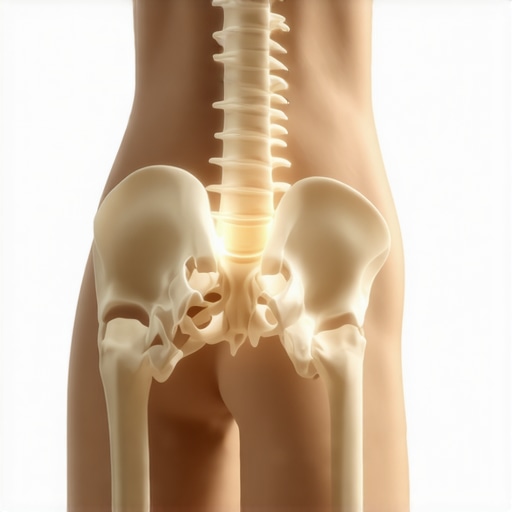
If you’re facing persistent back discomfort, it’s worth reevaluating whether your stretching routine is helping or hindering your recovery. Instead of solely focusing on hamstrings, consider exploring how your hips and pelvis contribute to your back health. Sometimes, flexibility isn’t the problem; stability and movement patterns are what need attention. For a more comprehensive approach, check out this chiropractic strategy.
Is Stretching the Solution or Part of the Problem?
One mistake I made early on was thinking that all tightness is bad and must be fixed with more stretching. However, the body’s muscular system is complex—sometimes tight hamstrings are a protective response to underlying issues like poor posture or pelvic misalignment. Simply stretching without addressing these can lead to more strain and even injury.
If this sounds familiar, you’re not alone. Many people jump into stretching routines prematurely, hoping for relief, but end up aggravating their pain. The key is to identify the true cause of your discomfort, which might be related to posture, muscle imbalances, or joint mobility. Instead of just stretching, focus on strengthening what’s weak and improving alignment. Want to learn more about a balanced approach? Visit this guide on neck and back pain management.
Now that we’ve uncovered some misconceptions, let’s dive into how you can actually start taking care of your back without falling into the stretch-and-hope cycle. Are you ready to explore practical strategies that truly make a difference? First, let’s understand what might be going wrong in your body right now.
Start with Gentle Movement to Break Stiffness
In my early days trying to fix my back, I learned that static stretching often worsened my discomfort. Instead, I adopted gentle, controlled movements, like pelvic tilts and cat-cow stretches, to promote blood flow and loosen tight muscles. I remember doing these in the morning, noticing immediate relief and better mobility throughout the day. Incorporate simple, low-impact motions into your routine to warm up your spine and muscles.
Identify and Address Your Postural Habits
Next, I examined my daily habits—slouching at my desk and crossing legs excessively. These habits compounded my issues, leading to uneven stress on my back. I started using ergonomic adjustments, such as elevating my monitor and supporting my lower back, which significantly improved my posture. Remember, the body’s movement patterns are like the hinges in a door; if misaligned, they cause strain. Analyze your habits and align your body properly.
Engage Stabilizer Muscles for Enduring Support
Relying solely on stretching is like oiling a rusty hinge—you might temporarily get it moving, but it will seize again. I focused on strengthening core muscles, particularly the transverse abdominis and obliques, which act as your body’s natural corset. Exercises like the bird-dog or planks, performed with proper form, made a tangible difference in how my back felt during daily activities. To deepen this practice, explore the 30-second glute bridge.
Mobilize Your Hips to Take the Load Off Your Back
Hips are the foundation of spinal support. When hip mobility is restricted, your back compensates by tightening and overworking. I incorporated hip-opening routines using lunges and hip circles, which felt awkward at first but ultimately reduced my lower back tension. For a detailed drill, consider the wall mobility test and related exercises. Improving hip flexibility can prevent so much unnecessary strain.
Use Breathing to Reset Tension
Deep diaphragmatic breathing acts like pressing the reset button on your nervous system. I used quick breathing exercises to calm my muscles during flare-ups, helping to decrease pain and restore movement. Practice inhaling deeply through your nose, expanding your belly, then slowly exhaling. Integrate this into your routine—especially before attempts to stretch or strengthen. Learn more about breathing techniques that aid back recovery here.
Adjust Your Environment for Lasting Impact
Small changes in your workspace and lifestyle can make a big difference. Elevate your laptop to eye level, support your lower back with a cushion, and take frequent breaks to move. Think of your environment as the stage for your muscles; optimizing it allows your body to perform better with less strain. These modifications serve as continuous cues to maintain proper alignment and support your efforts.
Incorporate Regular Movement Breaks
My breakthrough came when I realized that sitting for long periods stiffened my spine and hampered mobility. I set a timer to remind me to stand, stretch, and walk every 30 minutes. These micro-movements prevent muscles from tightening and maintain joint lubrication. Consistency is key—make it a daily habit, and over time, you’ll notice your back feels more resilient. Techniques like the 60-second back stretch can be part of this routine.
Don’t Overlook the Power of Rest and Recovery
While movement is essential, so is adequate rest. I learned that sleeping on the right mattress and position helps reduce morning stiffness. For nighttime support, I experimented with pillows and positions aligned with pillow selection tips. Think of your body as a machine that needs downtime to repair and rebuild. Balancing activity with rest accelerates healing and mobility gains.
Many assume that stretching is the go-to solution for persistent back and neck issues. However, as an expert in mobility and chiropractic strategies, I can tell you that this belief often leads people astray. A common myth is that all tight muscles need aggressive stretching, but in reality, over-stretching healthy tissues can cause micro-tears and increased sensitivity, worsening discomfort over time. Instead, a nuanced approach focusing on movement quality and joint health proves more effective.
One trap to watch out for is neglecting the role of posture and movement patterns. Many with chronic pain develop compensatory habits that perpetuate stiffness and inflammation. Addressing these habits through targeted rehab and ergonomic adjustments is crucial for sustainable relief. For example, a study published in the Journal of Bodywork and Movement Therapies highlights how improving thoracic mobility can significantly reduce lower back strain, challenging the oversimplified view of muscle flexibility alone being the fix.
A common misconception among practitioners and patients alike is that pain is purely mechanical. While structural issues are involved, pain often has a neurophysiological component—meaning the nervous system’s sensitization amplifies discomfort regardless of tissue damage. This emphasizes the importance of integrating nervous system approaches, like breathing exercises and gentle desensitization, alongside manual therapy.
Now, for those already familiar with basic rehab, a more advanced question surfaces: How do we identify when neural sensitization is dominant over structural dysfunction? Signs include pain disproportionate to tissue stress, widespread hypersensitivity, and pain spread beyond the initial site. Addressing this requires a sophisticated approach combining movement re-education, stress modulation, and sometimes chiropractic adjustments that target nerve pathways. For insights on this, I recommend exploring the detailed strategies in mastering back and neck pain relief techniques.
Remember, the key is to avoid falling into the trap of simplistic solutions. Instead, focus on comprehensive assessment and tailored interventions that address the complex interplay of tissues, joints, and the nervous system. Have you ever fallen into this trap? Let me know in the comments.Maintaining your back and neck health over time requires more than just occasional stretches or visits to the chiropractor; it demands consistent, strategic use of targeted tools and methods. One of my favorite resources is a high-quality foam roller, particularly the smaller, dense variants. I use it daily to release tension in my thoracic spine, which not only enhances mobility but also reduces the strain on my lower back. The key is controlling the pressure—don’t just roll indiscriminately. Instead, focus on slow, deliberate movements over areas of tightness, which increases blood flow and promotes tissue elasticity. Additionally, incorporating tools like small massage balls into your routine can target trigger points that often go unnoticed, such as those in your upper trapezius or lateral neck muscles. I personally keep a pair of tennis balls under my desk, applying gentle pressure during breaks to prevent persistent knots from forming.
For digital support, I rely on specialized mobility apps that guide personalized stretching routines based on daily feedback. These apps track progress and can motivate you to stay consistent. I recommend ones that focus on spinal mobility because they incorporate a mix of dynamic stretches, joint rotations, and breathing exercises—all proven to enhance long-term function.
Predicting future trends, I believe wearable technology will increasingly play a role. Devices equipped with sensors can monitor posture and movement in real time, alerting you to harmful habits before they lead to pain. This proactive approach transforms passive maintenance into active prevention.
How do I keep my mobility resilient over time? The secret lies in a combination of specific strengthening exercises, proactive tool use, and consistent posture awareness. For example, integrating a simple daily routine like the 30-second glute bridge can significantly stabilize your lumbar region while relieving pressure. Coupled with environmental adjustments—such as ergonomic workstations—and mindful movement, you build a comprehensive shield against future issues.
A practical tip is to incorporate trigger point release using a tennis ball, as discussed earlier, which can be surprisingly effective. The reason this works is supported by clinical studies that highlight the benefits of myofascial release for reducing muscle tightness and improving joint range of motion. For more in-depth guidance, check out this expert-approved method.
How do I maintain my mobility tools and techniques over time?
Regularly inspect and replace worn-out equipment, like foam rollers or massage balls. Update your routines based on progress or new challenges, and stay informed about emerging therapies, such as transient electrical nerve stimulation, which research suggests could further enhance muscle recovery and pain relief. Make it a habit to revisit your practices monthly; this keeps your approach fresh and effective. Remember, consistency is the cornerstone of sustained mobility. Why not set a weekly reminder to evaluate your toolkit and routine, ensuring you’re always working towards a more resilient spine? Incorporate this small but impactful step today, and experience the benefits of proactive care.
The Hardest Lesson I Learned About Back Pain, Neck Pain, Chiropractic, Mobility
Stubbornness can be a double-edged sword. I used to believe that the more I stretched, the faster I’d heal. But the truth hit hard when I realized that sometimes, less aggressive approaches led to better results, especially when addressing deep-seated issues like joint misalignments and nervous system sensitivities.
3 Myths About Back Pain, Neck Pain, Chiropractic, Mobility That Held Me Back
Myth one: Stretching always relieves tightness. Myth two: Rest equals recovery. Myth three: Only structural fixes matter. Debunking these revealed that integrating movement quality, environment, and nervous system regulation is essential for lasting relief.
Strategies That Changed My Perspective
Focused on learning how your body compensates and adapts. Finding personalized routines, not cookie-cutter advice, is the key. Using tools like a foam roller or trigger point ball regularly helped me break persistent tension patterns. Embracing gentle movement and mindful breathing nurtured my body’s innate healing capacity. For practical guides, check out these expert methods.
Your Next Step in Back Health Starts Here
Remember, recovery isn’t about quick fixes but cultivating habits that support your unique body. Whether it’s adjusting your workspace, strengthening stabilizer muscles, or revisiting your breathing patterns, each small step compiles into significant progress. Dive into comprehensive strategies, and trust that persistent effort will yield resilience and relief. Your back’s comeback story begins now.