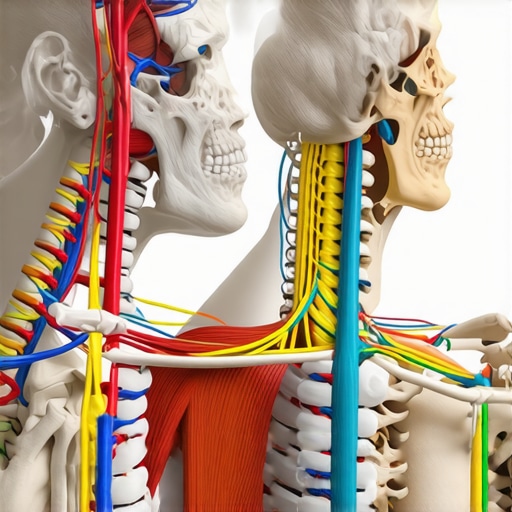
The ‘Thread the Needle’ move for neck and shoulder relief
I remember the exact moment I realized I was stuck. Sitting at my desk, neck stiff, shoulders aching, I felt defeated. I had tried countless stretches, massages, and even debated a trip to the chiropractor, but nothing stuck. Then, one evening, during my research, I stumbled upon a simple movement called “Thread the Needle.” Skeptical yet desperate, I decided to give it a shot—and what happened next was eye-opening.
This move wasn’t a miracle cure overnight, but it marked a turning point in my journey toward better mobility and less pain. Since then, I’ve integrated it into my daily routine, and the results have been remarkable. Today, I want to share this powerful technique with you—because if you’re like I was, tired of ongoing discomfort and searching for real relief, this could be the game-changer you need.
How a Simple Twist Can Ease Your Neck and Shoulders
Many of us overlook the impact of small, consistent movements on our overall well-being. When neck and shoulder discomfort become persistent, it’s often a signal that something is out of alignment—or that our muscles are holding tension from poor posture or stress. The “Thread the Needle” move targets those tight, stubborn areas by gently twisting and releasing built-up tension, promoting better circulation and spinal flexibility.
From personal experience, practicing this move regularly has made a noticeable difference. It’s a gentle, accessible technique that even the most beginner-friendly routines can incorporate. If you’re tired of feeling stiff and want a low-impact way to improve your mobility, this might just be your answer.
But before jumping into the move, it’s essential to understand why proper technique matters—and what pitfalls to avoid. Trust me, I’ve made a few mistakes early on that actually worsened my discomfort. Better awareness now helps me teach others how to do it safely and effectively.
For detailed insights on how to refine your movements and avoid common errors, check out our comprehensive guide on [chiropractic secrets to boost neck comfort and function](https://quackersspinal.com/chiropractic-secrets-to-boost-neck-comfort-and-function). Ready to discover how this simple twist can unlock a new level of relief? Let’s dive in.
Start with Proper Positioning
Find a comfortable space on your floor or bed, kneeling or lying down. Sit upright with your arms extended in front of you, palms down. This initial setup mimics the natural spinal alignment and prepares your muscles for gentle movement. I remember my first attempt; I was stiff and unsure, but staying relaxed helped me avoid triggering more tension.
Find Your Threshold for Movement
Begin by slowly twisting your upper body to one side, aiming to gently stretch your shoulder and upper back muscles. Move only as far as feels comfortable—never forced. For example, I once pushed a little too hard after a rough workday, which resulted in sore muscles the next morning. Listening to your body prevents overstretching and injury.
Engage Your Breath to Enhance Flexibility
Deep, controlled breathing helps relax your muscles and deepen the stretch. As you twist, inhale deeply through your nose, filling your lungs fully. As you exhale, gently deepen the twist. This coordinated breathing relaxes muscle tension, making the movement more effective. I found that focusing on my breath turned the move into a calming routine, reducing stress-related tightness.
Implement Gentle Spinal Rotation
Slowly rotate your thoracic spine (mid-back), aiming to unlock stiff segments. Imagine your spine as a stack of blocks; each twist helps realign and loosen them. When I was stiff, I found that small, controlled movements prevented discomfort and yielded better mobility gains compared to fast or jerky motions.
Hold and Release with Control
Pause in your twisted position for a few seconds, sustaining the stretch without straining. Then, gently return to center. Repeat this on the other side. This pause allows muscles to relax and elongate gradually. My early attempts showed that rushing through the movement hampered progress; patience is key.
Incorporate Into Daily Routine
Make this movement a regular part of your day—morning, mid-afternoon, or evening. Consistency provides cumulative benefits, reducing chronic tightness. I started with five minutes daily, noticing increased ease in my daily activities over a few weeks. Small, sustained efforts beat sporadic, intense stretches every time.
Be Mindful of Common Errors
Avoid over-rotating or jerking your spine, which can exacerbate discomfort. Keep movements slow and controlled, paying attention to your body’s responses. I once hurried through the move and unintentionally pulled a muscle; slowing down truly makes a difference.
Consult Additional Resources
For a deeper understanding and expert tips, explore [chiropractic secrets to boost neck comfort and function](https://quackersspinal.com/chiropractic-secrets-to-boost-neck-comfort-and-function). Integrating this technique with professional guidance ensures safe and effective practice, especially if dealing with persistent pain.
 Many individuals believe that back and neck pain stem solely from structural issues or overnight injuries, but in reality, these misconceptions can hinder effective recovery. A common myth is that frequent chiropractic adjustments are a quick fix; however, relying solely on adjustments without addressing core movement patterns or posture habits often results in recurring discomfort. In fact, excessive focus on symptom relief without understanding underlying causes can exacerbate the problem over time. For example, some assume that pain is always due to spinal misalignment, yet recent studies highlight muscle imbalances and movement dysfunctions as significant contributors to chronic pain conditions (source: [Revitalize Your Mobility](https://quackersspinal.com/revitalize-your-mobility-proven-strategies-for-back-pain-relief)).
Another misconception is that stretching alone can resolve all issues. While flexibility is important, overdoing passive stretches without strengthening stabilizing muscles may weaken tissues and leave joints vulnerable. Advanced practitioners recognize the importance of integrated approaches combining mobility, strength, and postural education.
A common trap to avoid is the tendency to ignore subtle movement nuances and postural habits that develop over years. Small deviations, like consistently crossing legs or improper desk ergonomics, silently reinforce maladaptive patterns, leading to chronic pain. Cultivating awareness and correcting these habits is crucial for lasting relief.
Have you ever fallen into this trap? Let me know in the comments.
What About the Role of the Nervous System in Chronic Pain?
Many overlook the significance of the nervous system’s role in pain perception. Your brain and spinal cord process signals based on previous experiences, stress levels, and overall health. Sometimes, pain persists not because tissues are damaged but due to neurological sensitization, where the nervous system becomes hyper-reactive. Approaches like nervous system education and gentle movement can desensitize these pathways, leading to better outcomes. A study published in
*Pain* journal emphasizes that incorporating nervous system-focused strategies alongside mechanical treatments enhances recovery rates. Understanding this nuanced dynamic allows for a more comprehensive and effective pain management plan.
Remember, effective relief often requires more than just addressing structural issues—it’s about unraveling the complex web of biomechanics, neurology, and lifestyle factors. For a deeper dive into integrated strategies, check out [chiropractic secrets to boost neck comfort and function](https://quackersspinal.com/chiropractic-secrets-to-boost-neck-comfort-and-function). Keep questioning the myths and embrace a holistic approach to your spinal health.Maintaining your spinal health long-term involves more than just exercises; leveraging the right tools can make a significant difference in your recovery and daily comfort. One of my personal favorites is a high-density foam roller. I use it daily to release tight muscles along my thoracic spine, which helps maintain mobility and reduce stiffness. Unlike cheaper alternatives, a quality foam roller with a firm surface allows for deep tissue massage, providing targeted relief that complements my chiropractic routines. Incorporating foam rolling into your daily habit can prevent the buildup of muscle knots that often contribute to neck and back pain.
Another invaluable tool is a set of tennis balls or a specialized massage ball. I keep a couple nearby to perform suboccipital releases and work out stubborn trigger points around my shoulders and upper back. Doing this regularly helps me avoid the pitfalls of poor posture from prolonged sitting, especially when working at a desk. A quick 5-minute session with the balls can significantly alleviate tension, promoting better blood flow to the muscles.
Digital posture correction devices are also gaining popularity. Devices like smart posture reminders or electronic sit-stand desks help me stay mindful of my positioning throughout the day. These tools gently alert me when I’ve been slouching or sitting too long, encouraging me to change positions before discomfort sets in. As postural habits are critical to long-term spinal health, using such devices supports maintaining good alignment without constant conscious effort.
For exercises that enhance mobility and strength, I recommend resistance bands. They’re versatile, affordable, and portable, allowing me to reinforce my shoulder and core muscles, which are essential for supporting the spine. I specifically use loop resistance bands for gentle isometric exercises, mirroring some techniques from [Revitalize Your Mobility](https://quackersspinal.com/revitalize-your-mobility-proven-strategies-for-back-pain-relief), which help prevent chronic pain episodes.
Looking ahead, I predict that wearable tech integrated with AI will play an increasingly vital role in personal spinal health management. These advanced devices could analyze your movement patterns in real-time, offering personalized adjustments and exercise recommendations.
### How do I maintain mobility and prevent setbacks over time?
The key is consistency and choosing tools that fit seamlessly into your routine. Regularly using foam rollers and massage balls helps keep muscles supple and reduces the risk of tension accumulation. Pairing these with posture correction devices ensures you’re reminded to stay aligned during everyday activities. Additionally, incorporating resistance bands into your strength training can reinforce support structures, making your spine more resilient.
Don’t forget, combining these tools with professional guidance amplifies their effectiveness. For more in-depth strategies, check out [chiropractic secrets to boost neck comfort and function](https://quackersspinal.com/chiropractic-secrets-to-boost-neck-comfort-and-function). Start experimenting with a foam roller today—it’s an accessible step toward mastering your mobility and preventing pain recurrence.
Why I Stopped Ignoring Small Signs of Discomfort
One of the biggest lessons I learned was paying attention to the subtle signals my body sent me. Initially, I dismissed mild stiffness or occasional twinges as normal, but over time, neglecting these signs led to more persistent pain. Recognizing early warning signs saved me from a long, frustrating healing process and emphasized the importance of proactive care rather than reactive remedies.
How Personal Experience Shaped My Approach to Mobility
After struggling with chronic neck tightness, I realized that quick fixes weren’t enough. Personal trials taught me that consistency, patience, and understanding my body’s unique needs are vital. Integrating gentle movements like “Thread the Needle” into my daily routine transformed my mobility and became a cornerstone of my recovery, inspiring me to share these insights with others.
Understanding the Power of Small Habits
I discovered that tiny daily adjustments—proper posture, mindful breathing, regular stretching—compound over time into remarkable improvements. Small shifts in my routine, such as using ergonomic tools or brief mobility breaks, prevented setbacks and built a resilient foundation for long-term spine health. This mindset has reshaped how I approach not just pain relief but overall well-being.
Believing in the Body’s Resilience and Potential
Perhaps the most profound insight was realizing that our bodies are inherently designed to heal and adapt. My journey reinforced that, with gentle guidance and proper technique, even long-standing issues can be improved. This belief fuels my motivation to empower others to reclaim their spinal health with confidence—because your mobility and comfort are within reach, too.
My Go-To Tools for Lasting Back and Neck Comfort
Over time, I curated a set of trusted tools that genuinely support recovery—like a high-quality foam roller for deep tissue release, massage balls for trigger point therapy, and posture correction devices that keep me mindful during work. These resources, combined with expert advice found at chiropractic secrets to boost neck comfort and function, form a holistic toolkit I recommend to anyone serious about lasting relief and mobility growth.
Step Into Your Power and Reclaim Spinal Freedom
Remember, your journey to better neck and back health is unique and absolutely achievable. Small, consistent actions—like gentle twists and mindful habits—can lead to profound change. Don’t let pain define your story. Take the first step today, and embrace the movement toward a more flexible, pain-free life. Ready to make that change? Share your experiences or questions below, and let’s support each other’s progress.