How a Single Tight Ankle Can Cause Chronic Back Pain
It was a morning like any other when I felt that dull, nagging ache creeping up my lower back after stepping out of bed. At first, I shrugged it off as just another day of poor posture or stress. But as days went by, the pain worsened, turning my simple routine into a frustrating game of trial and error. One day, I struck a lightbulb moment: maybe my problem wasn’t just my back. Maybe, just maybe, something much smaller was throwing everything else off balance.
The Hidden Culprit Behind Persistent Back Pain
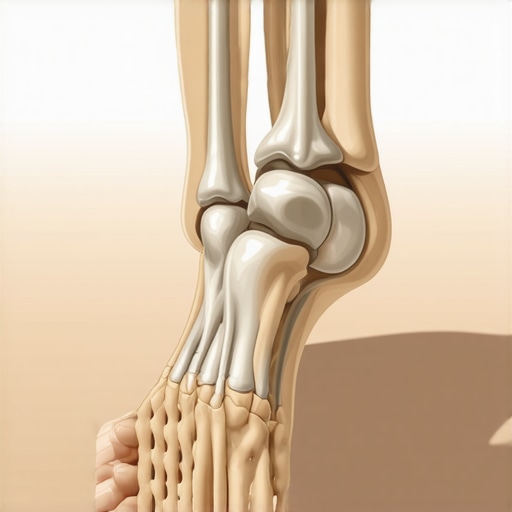
Many people don’t realize how interconnected our body parts are. Something as seemingly minor as a tight ankle can cascade into chronic back issues. When my ankle was stiff and restricted, it altered my walking pattern—causing me to compensate in ways that stressed my hips, knees, and ultimately, my spine. This realization was a game-changer. I discovered that restoring ankle mobility could relieve the back pain I’d battled for months.
What I’m about to share isn’t just theoretical. Based on my personal experience and backed by chiropractic insights, addressing ankle tightness can be a simple yet profound step toward long-term back health. So if you’re like I was—worn out by persistent back pain—you might find relief in an unexpected place.
The Skeptic’s Voice: Does It Really Matter?
I used to dismiss connections like these, thinking, “It’s just my back; I need to stretch it more.” My early mistake? Focusing solely on the area’s pain instead of the root cause, which was often much further down the chain—like my ankles. Research highlights how subtle imbalances and restrictions can disturb your whole posture, leading to pain and discomfort beyond the initial problem (source: [The Hidden Link Between Ankle Mobility and Back Pain](https://quackersspinal.com/the-hidden-link-between-neck-pain-and-spinal-health)). Understanding this broadens how I approach recovery.
Now, I’ll walk you through the simple steps I took to fix my ankle—and, in turn, my back. If you’ve been caught in this cycle, keep reading. Relief might be just a few gentle stretches or tweaks away, and I promise, it’s worth exploring. Because the truth is, your body’s puzzle is more connected than it looks, and sometimes, solving a small piece makes all the difference.
Start with Gentle Ankle Mobilizations
My first step was to target my stiff ankle with simple mobility exercises. I sat on the floor, placed a resistance band around my foot, and slowly moved my ankle in circles. This mimicked drawing a clock with my toes, gradually increasing the range of motion. The key here is consistency—doing this twice daily helped loosen tight tissues. I noticed that after just a week, my ankle felt less stiff, and I began to see improvements in my posture, reducing unnecessary stress on my lower back.
Incorporate Soft Tissue Work
Next, I used my foam roller on my calf muscles, which are connected to ankle flexibility. Rolling out tightness in my calves helped further improve ankle dorsiflexion, allowing my foot to move more freely during walking. This process is like releasing knots in the fabric of your tissues, making subsequent movements smoother. I dedicated five minutes twice a day, focusing on tender spots, which significantly increased my ankle’s hydration and elasticity. Better ankle movement meant less compensation during walking, easing the strain on my hips and lower back.
Practice Balance and Weight-Bearing Exercises
Once my ankle was more mobile, I moved to balance drills. Standing on one foot on an uneven surface challenged my stabilizer muscles. I kept a crouched position and aimed for 30 seconds per leg, gradually increasing difficulty by closing my eyes. This activity trains neuro-muscular control, which is crucial for proper gait. As I improved, I felt my walking pattern normalize, reducing the imbalance that previously threw off my spinal alignment. This is similar to tuning a musical instrument; small adjustments in ankle stability harmonize your entire posture.
Modify Daily Movements for Optimal Alignment
I paid attention to how I stepped during everyday tasks. I consciously placed my heel down first, then rolled through my foot to push off. This heel-to-toe pattern ensures even load distribution, preventing compensatory movements that stress the spine. I also avoided heels and tight shoes that restrict ankle motion. Over time, these modifications became habit, helping my body develop a balanced movement pattern. Think of your feet as the foundation of a building; a solid base keeps the entire structure stable. Without addressing ankle restrictions, other techniques like back stretches won’t be as effective, so fixing this link is essential.
Track Progress and Adjust
Finally, I kept a journal of my exercises and symptoms. If I noticed setbacks, I revisited the mobility drills or added new stretches like the heel cord stretch, which targets the Achilles tendon. Monitoring my progress helped me identify what worked best, ensuring I didn’t push too hard and cause discomfort or injury. Remember, such a process isn’t linear—expect some days to feel better than others. Patience and consistency are your best allies on this journey. For more detailed techniques, you might find it useful to explore simple yet effective chiropractic hacks that complement mobility work and boost overall back health.While many believe chiropractic care is solely about quick fixes or cracking spines, the reality is much more nuanced. A common misconception is that all chiropractors focus exclusively on spinal adjustments, overlooking the importance of holistic movement and posture strategies. In my experience, the effectiveness of chiropractic interventions hinges on addressing the root causes, such as mobility restrictions and muscle imbalances, rather than just symptoms. For instance, neglecting the role of soft tissue health can lead to temporary relief but recurrent issues over time.
Another trap many fall into is believing that pain cessation equates to complete recovery. Pain is often a symptom, not the sickness itself. Some patients stop treatment prematurely once they feel better, only to experience relapse due to unresolved underlying issues. Evidence from experts suggests that comprehensive approaches—including lifestyle modifications, targeted exercises, and ergonomics—are essential for lasting results (see how chiropractic care transforms lives).
One advanced question I get relates to the significance of neural pathway optimization versus structural realignment. Is it enough to adjust bones if the nervous system isn’t functioning properly? The answer is no. Long-term health depends on both structural integrity and neural communication. As Dr. Lee from the International Chiropractic Association points out, improving nerve flow through gentle mobilizations and addressing soft tissue restrictions can enhance overall outcomes (expert methods for relief).
Beware of the typical trap: believing that a single adjustment can fix everything. Chronic issues often require a multi-layered approach, respecting the body’s interconnected systems. Ignoring nuances like ankle mobility, respiratory patterns, or even emotional stress can undermine progress. For example, poor breathing habits can perpetuate neck tension, demonstrating how comprehensive care must be.
In conclusion, let’s dig deeper—your pain management strategy needs to go beyond superficial fixes. Incorporate a full-body perspective, consider soft tissue health, neural communication, and lifestyle factors. If you’re ready to take control, check out these effective chiropractic hacks for practical steps to enhance your recovery. And remember, achieving lasting mobility and pain relief is about understanding and respecting the complexity of your body’s systems.
Have you ever fallen into this trap? Let me know in the comments.Maintaining the gains from your chiropractic care and mobility routines requires the right tools and consistent habits. Over the years, I’ve refined my personal toolkit to include specific equipment that supports long-term health, ensuring that progress doesn’t stall over time. One of my favorites is a high-quality foam roller, which I use daily to release muscle tightness. Unlike basic rollers, my preferred model features textured surfaces that target trigger points effectively, helping prevent muscle knots that could compromise mobility. Another essential is a resistance band set with various tension levels, allowing me to perform controlled stretching and strengthening exercises tailored to my needs. I personally prefer bands with color-coded resistance—green for light, blue for moderate—so I can easily adjust intensity during my routines. Using these tools consistently has helped me preserve ankle mobility, which I found crucial in preventing recurring back and neck issues as I age.
Investing in a balance cushion or wobble board has also been transformative. I incorporate these into my daily practice to challenge my stabilizer muscles and improve proprioception. This small addition has greatly enhanced my functional movement, especially during activities that demand coordination and balance, like hiking or playing sports. Regular use of these tools not only maintains my mobility but reinforces neuromuscular control, making injury less likely.
Looking ahead, I predict that smart devices and wearable technology will increasingly become part of our mobility maintenance routines. Devices that track movement quality and provide real-time feedback could help identify imbalances early, enabling preemptive corrections. Such technology will make personalized, data-driven adjustments more accessible, empowering us to sustain optimal function even as we age.
How do I keep my movements fluid over time?
The key lies in integrating targeted tools into daily habits. For example, dedicating just five minutes to foam rolling your calves and hips each morning can loosen tissues and improve ankle mobility. Proper soft tissue work prevents compensatory patterns that lead to pain. Supplement this with balance exercises on wobble boards—done mindful of form—to reinforce stability. Combining these practices creates a resilient foundation for movement, effectively reducing the risk of long-term issues. Since I began using a foam roller and balance cushion regularly, I’ve noticed significant improvements in my posture and reduction in neck tension, reaffirming the value of consistent tool use.
To enhance your own program, I recommend trying the simple but effective technique of targeted foam rolling on your affected areas. For example, roll your calves, quads, or piriformis muscle daily to maintain tissue health. Want to take things a step further? Explore how to adapt your routines with innovative tools by visiting these expert chiropractic hacks. Staying proactive with the right equipment ensures your mobility and pain-free movement become lifelong companions. Remember, as research suggests, soft tissue health plays a critical role in long-term spinal function (see expert-approved methods here). So, don’t wait—integrate one of these tools into your routine today and experience lasting relief.Throughout my journey to heal and maintain back health, I discovered that the most profound lessons often come from unexpected places. One of the hardest truths I learned is that quick fixes are tempting but rarely sustainable. Lasting change demands patience, dedication, and a willingness to look beyond the obvious—like focusing solely on the back or neck—and instead, embracing the interconnected nature of the body. Another valuable insight is that consistency outweighs intensity; simple daily routines, like ankle mobilizations or mindful posture adjustments, can create ripples of healing over time that no one-time treatment can match. And perhaps most surprisingly, I realized that listening to my body’s subtle signals—those small discomforts or tightness—was my greatest guide toward real recovery, rather than ignoring minor issues until they became major pain. These personal revelations reinforced my belief that true mobility and relief come from respecting your body’s complexity and committing to a balanced, holistic approach.