Why stretching your neck to the side might be causing more spasms
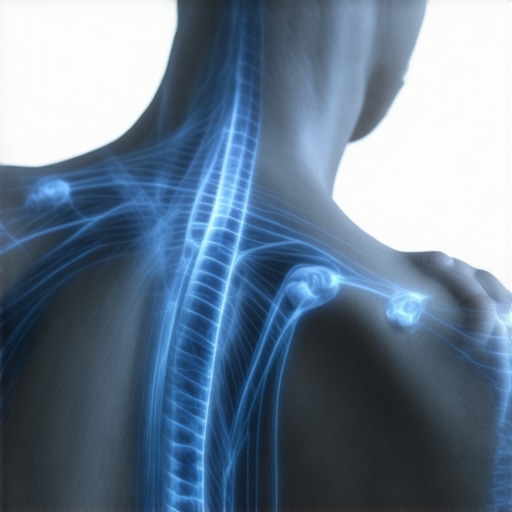
It was a typical morning when I reached for my coffee, only to be met with a sharp jolt of pain shooting from my neck down to my shoulder. I had been told countless times to stretch my neck to ease tension, so I did it—tilting my head to the side, thinking I was doing the right thing. But instead of relief, I got more spasms, tighter muscles, and a frustrating cycle that left me wondering: am I actually helping or harming myself with these stretches?
Why That Simple Neck Stretch Can Backfire
Like many, I used to believe that stretching was the answer to all my neck discomfort. The idea seemed logical—if my muscles are tight, loosening them should bring relief. But I learned the hard way that not all stretches are created equal. Sometimes, a gentle move intended to relax can actually aggravate spasms, especially if done incorrectly or without understanding your body’s signals. My lightbulb moment came when I realized that I was unknowingly reinforcing the very tension I sought to reduce.
The discomfort I felt was a clear sign that I needed a different approach. It turns out that the way you stretch, particularly your neck, matters immensely. Incorrect techniques or overdoing certain movements can trigger more spasms and prolong recovery times. In fact, research indicates that improper stretching can increase muscle tension if performed without proper guidance (source: Neck Pain: Effective Solutions That Work).
Have You Ever Felt That Your Neck Stretches Made Things Worse?
If you’ve experienced similar issues—tightness worsening after stretching, or spasms that seem to intensify—know you’re not alone. Early on, I fell into the trap of doing repetitive stretches without considering whether my muscles were ready, or if I was engaging the right areas. That mistake cost me precious time and added to my frustration. But I learned that addressing neck spasms requires understanding your body’s unique responses and adopting smarter, more tailored strategies.
Now, I’ll walk you through how to identify what might be causing your neck spasms and the common pitfalls that could be making things worse. Ready to break free from the cycle and get genuine relief? Let’s start by examining what’s really going on inside your muscles and joints.
Reconsidering Neck Stretching: How Not to Make It Worse
Assess Your Trigger Points
Begin by carefully identifying which muscles feel tight or tender. Use gentle pressure—like pressing with your fingertips—around the base of your skull, shoulders, and along your neck. Keep a journal of what areas persist or change after activity, as this helps tailor your approach and prevents pushing into painful zones that may worsen spasms. I remember one morning when I pressed too hard on my upper trap muscles and felt immediate pain; I learned to listen to my body’s signals rather than push through discomfort.
Master the Gentle Mobilization
Instead of forceful stretches, focus on slow, controlled movements that encourage blood flow and promote natural joint motion. For example, perform small chin tucks: gently pulling your chin backward to align your ears over your shoulders—this move acts like resetting a misaligned gear that causes stiffness. I dedicated five minutes each morning doing these and noticed a decrease in tension and fewer spasms. Use a mirror to ensure proper posture, and avoid any sudden or jerky movements. This technique is like oiling a squeaky hinge—gentleness prevents further damage.
Use Static and Dynamic Relaxation Techniques
For relaxation, incorporate static holds, like holding a neck tilt for 15 seconds on each side, to release muscle tension safely. Complement this with dynamic movements—slowly turning your head side to side within a comfortable range. Think of this as gradually loosening a rusty bolt. Initially, I felt a bit shaky, but persistence yielded more relaxed muscles over days. This method encourages your muscles to unglue from tense positions without overexertion.
Apply Heat to Calm Down Spasms
Warmth helps dilate blood vessels, delivering nutrients and removing waste products that contribute to soreness. Use a heated pad or warm towel on your neck for 15 minutes after your mobility exercises. Remember, excessive heat can irritate skin or cause burns, so test the temperature first. I learned this the hard way when I left a heating pad on too long and experienced redness. Proper application enhances circulation, speeds recovery, and makes subsequent exercises more comfortable. Think of heat as a gentle massage that softens tight fibers.
Integrate Correct Posture Habits
Improper posture, especially spending hours hunched over devices, aggravates neck tension. Regularly check your alignment: ears over shoulders, shoulders relaxed, and chin slightly tucked. Use ergonomic accessories, like monitor stands or supportive chairs, to maintain these positions during prolonged sitting. I set smartphone reminders to correct my desk posture, which prevented my neck from defaulting into forward head position—a common culprit for spasms. Think of your posture as the foundation of a building; if it’s weak, everything else is vulnerable.
Limit and Monitor Your Movements
Recognize activities that trigger your spasms—heavy lifting, sudden head rotations, or prolonged static positions. Gradually reintroduce these tasks with proper technique: lift with your legs, turn your whole body instead of just your neck, and take breaks every 30 minutes. For instance, I avoided twisting my neck sharply when reaching for something high, opting instead to pivot my entire body. Over time, this reduces strain and prevents flare-ups. Remember, movement should be gentle and controlled, not aggressive or abrupt.
Utilize Guidance from Experts
Consulting professionals like chiropractors can provide personalized adjustments and techniques tailored to your condition. They can teach you safe mobilization and relaxation methods that prevent aggravation. I worked with a chiropractor who showed me specific nerve glide techniques—these quick, delicate motions help free trapped nerves and reduce spasms. Regular check-ins ensure your approach evolves safely, optimizing recovery without risks of making symptoms worse. Think of expert guidance as the training wheels on your journey to better mobility.
Commit to Consistency and Safety
Finally, integrate these steps into a daily routine—morning and evening—to build habits that support long-term relief. Always prioritize safety: if something worsens your symptoms, stop immediately and consult a professional. I learned to trust my body’s signals more than my impatience, which prevented setbacks. Making small, persistent improvements creates a resilient foundation, empowering you to manage neck spasms effectively and safely. Remember, progress in mobility is a marathon, not a sprint.
Many people still think that chiropractic adjustments are a quick fix for all back and neck issues, but this belief overlooks critical nuances that can influence results. The truth is, chiropractic care is often misunderstood, leading patients to either over-rely on adjustments or ignore essential lifestyle factors. For instance, a common myth is that adjustments alone will solve chronic pain without addressing underlying habits like poor posture or movement patterns. In my experience, a comprehensive approach that combines chiropractic techniques with patient education yields far better long-term outcomes. To deepen your understanding, I recommend exploring [chiropractic secrets to boost neck comfort and function](https://quackersspinal.com/chiropractic-secrets-to-boost-neck-comfort-and-function).
Developing effective habits for long-term neck and back health is essential, and having the right tools can make a significant difference. Personally, I rely heavily on a combination of ergonomic devices, targeted exercises, and specific techniques that have proven highly effective over time. For instance, I incorporate a quality foam roller, such as the TriggerPoint Grid Foam Roller, to release my muscle tension daily. This device helps break up adhesions in my fascia, improving mobility and reducing spasms. I use it after each session of mobility exercises for enhanced recovery and to prevent the accumulation of tightness.
In addition to physical tools, I utilize software like the ergonomics app “Ergonomics+
Overcoming neck spasms has been a journey filled with trial, error, and invaluable discoveries. One of the hardest lessons I learned was that quick fixes often lead to longer-term setbacks. For instance, I once thought that aggressive stretching would always release tension, but I ended up aggravating my condition. This taught me that patience, proper technique, and listening to my body’s signals are essential for genuine progress.
What I Wish I Knew About Neck Care Early On
- Ignoring posture habits, especially during long work hours, can silently worsen spasms, making relief harder to achieve.
- Proper heat application, like consistent use of warm towels, is much more effective than relying solely on quick-fix remedies.
- Professional guidance, such as expert chiropractic adjustments coupled with tailored exercises, made a huge difference in my recovery process.
- Understanding my trigger points—small areas of tenderness—helped me target my relief strategies more effectively.
- Consistency in daily routines and mindful movements created sustainable improvements I hadn’t believed possible.
Tools and Resources That Transformed My Approach
- For mobility and muscle release, I swear by the TriggerPoint Grid Foam Roller—it’s excellent for breaking up fascia adhesions and improving movement.
- Books like Mastering Back and Neck Pain Relief provided me with scientific insights and practical techniques I could trust.
- Expert websites and blogs, especially Neck Pain: Effective Solutions That Work, offered reliable guidance on safe practices.
- Apps focused on ergonomics helped me adjust my workstation dynamically, preventing future spasms.
Let Your Journey Inspire Others
Addressing neck spasms isn’t just about quick relief; it’s about creating sustainable habits that respect your body’s cues. Embracing gentle movements, proper posture, and expert advice can transform your experience into a story of resilience. Remember, every small step you take today sets the foundation for long-term comfort. Don’t forget to share your experiences or questions below—your story might just inspire someone else to start their own path to relief!