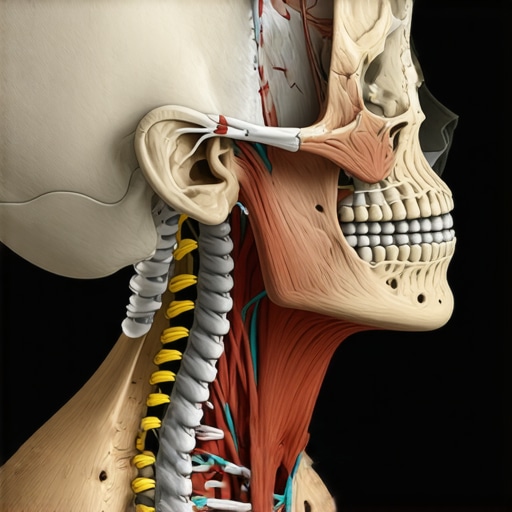
Why Your Firm Pillow Is Turning Your Neck Into a Brick
I remember waking up one morning, neck stiff as a board, unable to turn my head without sharp pain shooting down to my shoulder. It was as if my pillow had conspired overnight to turn my neck into a concrete block. Have you ever experienced that sudden, immobilizing ache after a night’s sleep, only to realize your pillow might be the culprit? Well, I did, and it was a frustrating lightbulb moment that led me down a path of discovery.
The Hidden Danger of Your Firm Pillow
If you’re like me, you’ve probably heard that a firm pillow provides better support, especially for neck and spine alignment. But what I didn’t realize at first is that not all support is created equal. In fact, the very pillow that’s supposed to help could be secretly aggravating your neck pain. It’s a sneaky issue that many overlook, often leading to persistent discomfort and stiffness. And here’s the kicker: research shows that improper pillow support can contribute significantly to neck strain, making recovery more challenging than it needs to be. According to a study published in the Journal of Physical Therapy Science, improper pillow height can lead to increased neck muscle tension and discomfort.
After some trial and error, I learned that the key isn’t merely support but the right kind of support tailored to your unique anatomy. If you’ve been waking up feeling worse than when you went to bed, this might be the wake-up call you need. But here’s the question: could your pillow be quietly undoing your attempts at relief? I know I was skeptical at first, questioning whether a simple change could make a real difference. That skepticism is common—but I promise, it’s worth exploring.
Is Saying Goodbye to Firm Pillows Actually Worth the Hype?
Early on, I made the mistake of dismissing the idea that my pillow played a role. I thought, “It’s just a pillow, how much harm can it do?” But over time, I realized I’d been overlooking a crucial factor in my neck’s health. Small changes, like switching to a pillow that better matched my sleeping position, started to improve my mornings significantly. If you’re tired of waking up with that brick neck feeling, it might be time to reconsider your pillow choices. For more insights on managing neck pain effectively, I recommend checking out this step-by-step guide.
Now, let’s dive into why understanding the support your pillow provides is essential—and how you can make smarter, healthier choices tonight.
Select the Right Pillow for Supported Sleep
Begin by evaluating your sleeping posture and pillow choice. I once tried switching to a contour memory foam pillow after waking up with increased stiffness, and the difference was immediate. Aim for a pillow that maintains your neck’s natural curve—too high or too flat can cause strain. Test different heights and firmness levels, and note how each feels overnight. A supportive, ergonomic pillow aligned with your sleeping position helps prevent muscles from overworking during rest.
Adjust Your Sleeping Position for Better Alignment
Position during sleep directly impacts neck comfort. I found sleeping on my back with a pillow that supported the curve of my neck prevented my usual morning stiffness. Avoid sleeping on your stomach, which often forces your neck into a twisted position, increasing strain. Use a pillow under your knees if sleeping on your back to reduce lumbar pressure. Experiment with different sleeping configurations until you find one that keeps your neck relaxed throughout the night.
Implement Gentle Mobility and Stretching Routines
Daily movement is vital for maintaining neck flexibility. I incorporated a 2-minute neck rotation sequence, slowly turning my head side-to-side and up-and-down. Avoid aggressive stretches that cause pain; instead, use slow, controlled motions. Micro-movements help release tension and improve blood flow. Regularly practicing gentle mobility exercises can reduce stiffness and prevent your muscles from becoming overly tight.
Optimize Your Workstation for Neutral Posture
Your workspace setup influences neck health significantly. I adjusted my monitor height to be eye level, so I no longer tilt my head downward during work. Keep your keyboard and mouse within comfortable reach to avoid leaning forward. Take breaks every 20 minutes—stand, stretch, and mobilize your neck and shoulders. Consider using ergonomic supports that promote proper alignment, and avoid cradling your phone between your shoulder and ear for extended periods.
Incorporate Targeted Strengthening Exercises
Strengthening relevant muscles supports neck stability. I added a simple chin tuck exercise—gently pulling my chin inward, as if trying to create a double chin—twice daily. This activates deep neck flexors and reduces forward head posture. Strengthening core muscles also decreases overall strain on your neck. Consistency is key; integrate these exercises into your daily routine to build resilience and reduce pain.
Monitor and Adjust for Comfort and Progress
Track how your neck feels after each adjustment. Use a journal to note improvements or setbacks. If discomfort persists, consider consulting a chiropractor who can tailor interventions specific to your needs. For more comprehensive guidance, explore this step-by-step guide. Remember, small, deliberate changes can lead to significant relief over time, preventing chronic issues and promoting mobility.
Many people believe that chiropractic care is solely about spinal adjustments to fix back pain, but in reality, there’s a lot more nuance involved. A prevalent myth is that all chiropractors focus only on cracking joints; however, expert practitioners incorporate a holistic approach that includes soft tissue therapy, mobility exercises, and patient education to promote long-term health. Another misconception is that chiropractic treatments provide instant relief—while some may experience quick benefits, lasting results often require consistent, tailored interventions. It’s crucial to recognize that improper technique or neglecting underlying issues can lead to setbacks or even worsen symptoms. For instance, aggressive manipulations without proper assessment might cause ligament strain or nerve irritation, highlighting the importance of personalized care plans. Let me ask: have you ever fallen into this trap? Let me know in the comments. Additionally, many overlook the significance of lifestyle factors, such as ergonomics and daily habits, which play a vital role in managing neck and back pain. Relying solely on adjustments without addressing these elements can limit progress. For advanced readers, understanding the biomechanics behind movement patterns can be enlightening; misalignments in neighboring joints, like the pelvis or shoulders, can influence spinal health and mobility. A study published in the Journal of Orthopaedic & Sports Physical Therapy emphasizes that comprehensive assessments lead to more effective, individualized treatment strategies, ultimately reducing recurrence rates. Remember, effective back pain management isn’t just about quick fixes—it’s about addressing the root causes through informed, nuanced approaches. For in-depth insights, check out chiropractic secrets to regain full mobility and learn how advanced techniques can optimize recovery.
Investing in the Right Equipment Can Make a Difference
Maintaining back and neck health over the long term requires more than just exercises and awareness; having the right tools can significantly enhance your progress and prevent setbacks. Personally, I rely on a few specific pieces of equipment that have proven effective in my routine. For instance, I use an ergonomic foam roller for my mobility drills. Its dense, textured surface helps target my myofascial tissues, releasing tension and improving flexibility. I prefer the TriggerPoint GRID foam roller because of its durability and contouring ability, which adapts to different muscle groups, including the neck and shoulders. Regular use of the foam roller has been instrumental in reducing chronic stiffness and promoting better posture.
Another essential tool I recommend is a lumbar support cushion designed for office chairs. It’s crucial to maintain proper lumbar curve during prolonged sitting sessions. I personally opt for a memory foam cushion with adjustable height and firmness, ensuring that my lumbar spine remains supported rather than hunched forward. This small addition has helped prevent recurring low back pain, especially when working at a desk for hours.
When it comes to tech, I utilize a posture correction app on my smartphone, like Upright GO. This device attaches subtly to your upper back and gently vibrates when you slouch. The biofeedback mechanism trains you to maintain better posture throughout the day. Over time, it’s helped ingraining habits that keep my cervical and thoracic spine aligned, reducing the frequency of strain episodes. Integrating such tools into daily routines fosters consistent posture awareness and accountability.
Looking ahead, I predict that wearable posture devices will become even smarter, utilizing AI to analyze your movement patterns and provide personalized feedback in real-time. As sensor technology advances, future devices might proactively suggest micro-movements or stretches tailored to your specific needs, possibly integrating with your health data for a holistic approach.
To keep your progress sustainable, it’s vital to regularly assess your tools and adjust based on your evolving needs. I suggest trying out a targeted mobility ball—such as a small, firm rubber ball—to release tension in hard-to-reach areas like the upper traps or the suboccipital muscles. These tools are simple but effective in maintaining soft tissue health and can be incorporated into your daily routine for sustained benefit.
When it comes to maintaining your back and neck over time, the key is consistency. Using supportive tools consistently helps embed healthy habits, reduce muscle imbalances, and prevent pain recurrence. To learn more about strategic approaches tailored to your specific condition, check out this comprehensive guide.
How do I keep my mobility routine effective long-term?
Staying mobile and pain-free involves regular reassessment and adapting your tools and exercises. Your body changes with age, activity level, and habits, so periodically revisiting your equipment choices—like replacing worn-out foam rollers or upgrading to more ergonomic supports—is crucial. Incorporate smart tech, such as posture trainers, to reinforce good habits and catch issues early. Remember, investing in quality tools and understanding how to use them properly is a cornerstone of long-term mobility and pain management. For advanced strategies on optimizing your recovery and preventing relapse, explore this expert resource. Try integrating one new tool—perhaps a mobility ball—this week, and observe how it influences your daily comfort.
The Hardest Lesson I Learned About Neck and Back Pain
One of the most eye-opening realizations was that quick fixes rarely lead to lasting relief. I used to think occasional stretches were enough, but neglecting consistent, personalized care only prolonged my discomfort. It became clear that understanding my body’s unique patterns and triggers was crucial to truly healing—something I wish I had grasped earlier.
My Essential Tools for Lasting Mobility and Pain Relief
Over time, I discovered that investing in quality ergonomic supports like a memory foam lumbar cushion and using a responsive posture correction app made a tangible difference. These tools reinforce good habits and keep my spine aligned, demonstrating that the right equipment, when used thoughtfully, supports sustainable healing and mobility. Explore more about effective strategies in this comprehensive guide.
Why Embracing Small Changes Transforms Your Healing Journey
Perhaps the most inspiring insight was that consistency with even minor adjustments—like daily gentle neck stretches or posture tweaks—compounds over time. These small steps empower you to regain control over your health, rather than feeling overwhelmed by massive interventions. Remember, progress builds on repeated efforts; your commitment today paves the way for a healthier tomorrow.