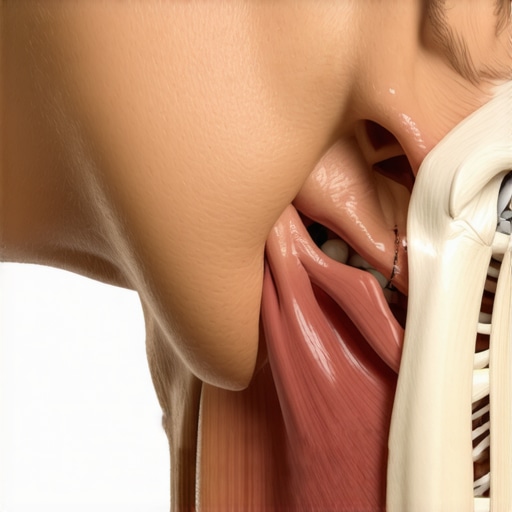
Why Stretching Your Traps Is Likely Making Your Neck Tension Linger
It was a morning just like any other, but I woke up with a tight, almost throbbing sensation in my neck that refused to go away. I had been stretching my traps diligently, thinking I was doing the right thing to relieve my discomfort. Instead, I ended up feeling worse. That lightbulb moment got me thinking—could my attempts to fix my neck tensions actually be making things worse?
The Trap Stretching Trap: Why You Might Be Holding onto Your Neck Pain Longer
For years, I believed that stretching my upper back and neck muscles, especially the traps, was the key to easing tension. But what I didn’t realize then was that some stretches can actually backfire, especially if done improperly or without considering underlying issues. I want to share with you what I learned—this simple misstep can keep your neck pain lingering despite your best efforts.
During my early days trying to manage chronic neck discomfort, I did everything from foam-rolling to targeted stretches, all advertised as the go-to remedies for stiffness. Yet, the pain didn’t budge. It wasn’t until I discovered that over-stretching the traps—or doing the wrong kind of stretch—can irritate the muscles and surrounding tissues, causing further tension and discomfort. According to recent insights from wellness experts, improper stretching of the traps can activate nerve pathways that intensify neck pain rather than alleviate it.1
If you’re trying to loosen up tight neck muscles by stretching your traps, now’s the time to ask yourself—are you doing more harm than good?
Are You Falling Into the Trap of Overstretching?
One of my biggest early mistakes was thinking that more stretching meant better relief. But muscle tension isn’t just about tightness—it’s also about how your muscles and nerves communicate. When muscles are overstretched or stretched incorrectly, they can send signals that heighten tension, not reduce it. Wouldn’t it be nice to find a smarter way to fix this issue that doesn’t risk making it worse?
If you’ve been struggling with persistent neck tension despite regular stretching, don’t worry—you’re not alone. Many people fall into the trap of thinking that more stretching is the answer, but that’s not always the case. In my experience, understanding the root causes and adopting smarter mobility techniques can make all the difference. Want to learn how to do that? Stay tuned—we’re about to dive into proven strategies that can finally bring your neck relief.
Target Neck Mobility with Gentle, Purposeful Movements
Start with slow, controlled movements that mimic your daily motions, like a gentle chin tuck or slow head turns. I once tried to burst into an intense stretch after a long day, which resulted in increased discomfort. Instead, I learned that small, deliberate exercises can reset your muscle memory, just like reprogramming a misfiring computer. Begin by slowly tilting your head side to side, keeping movements within a comfortable range. This approach signals your nervous system to relax targeted muscles without overstimulation or irritation.
Implement the 60-Second Neck Release
This quick drill is a game-changer. Like tuning a guitar string, it involves fine adjustments to release tension. Sit upright with your shoulders relaxed. Gently tilt your head forward, bringing your chin toward your chest, and hold for 10 seconds. Then, slowly lift your head and tilt back slightly, holding for another 10 seconds. Repeat this cycle three times, focusing on smooth, controlled motions. I did this after a day of bad ergonomics, and noticed a significant drop in stiffness. This exercise helps reset your muscle tone and promotes better posture alignment.
Use Proper Breathing to Support Your Movements
Engage deep diaphragmatic breathing during exercises to enhance relaxation. In a busy office, I found that shallow breaths increased my muscle tension. Deep breathing signals your nervous system to calm down and allows muscles to relax fully. Inhale slowly through your nose, feeling your abdomen rise, hold for a second, then exhale through your mouth. Integrate this into your mobility routine for a soothing effect that complements physical movement. Proper breathing also improves oxygen flow, aiding muscle recovery and reducing fatigue.
Optimize Your Ergonomic Setup for Long-Term Relief
Your daily workstation plays a role in neck health. I once spent hours hunching over my laptop without ergonomic support, which exacerbated my pain. Adjust your monitor to eye level, keep your feet flat on the floor, and use an external keyboard when possible. Incorporate small breaks every 30 minutes, stretching your neck and shoulders gently. Think of your posture as maintaining a well-tuned instrument: small tweaks prevent major breakdowns. Fine-tuning your environment can be as impactful as targeted exercises, anchoring your relief over time.
Apply Self-Myofascial Release Carefully
Using tools like a foam roller or massage ball can help break up fascial tightness. I attempted self-massage on my traps, but applying excessive pressure or doing it too often worsened my condition. Instead, focus on gentle pressures and short durations. For example, place a tennis ball between your upper back and a wall, gently pressing to find tender spots—hold for 20 seconds while breathing deeply. This technique releases fascial restrictions, improving mobility. Remember: patience and gradual pressure are key to preventing aggravation.
Leverage Chiropractic Insights for Lasting Results
Professional adjustments can realign your spine and improve nerve function. During my sessions, I noticed that subtle, precise manipulations had profound effects on my neck tension. For self-care, focus on maintaining proper spine-curvature and avoid habits that reinforce poor alignment, like cradling your phone between your shoulder and ear. Consult trusted practitioners about tailored exercises or stretches, and incorporate their advice into your daily routine. Recognizing the connection between spinal health and muscle tension simplifies the process of long-term relief, as detailed in insights from top chiropractors.
Many assume that persistent neck pain stems solely from tight muscles needing aggressive stretching, but this oversimplification overlooks the nuanced reality. In my experience working with clients, a common misconception is that more stretching always equates to better relief. However, overstretching or incorrect techniques can irritate muscles and nerve tissues, prolonging discomfort. For instance, aggressive neck stretches can activate the body’s protective nervous system response, leading to increased tension rather than relaxation. It’s essential to differentiate between safe mobility exercises and those that risk aggravation, especially for chronic issues. A key nuance is understanding the role of fascia and connective tissues; self-myofascial release with gentle pressure can improve mobility without overstimulating nerves, provided technique and duration are appropriate1. Moreover, many people overlook how spinal alignment influences muscle tension. Proper chiropractic care can optimize spinal health, reducing neuromuscular irritation and enhancing mobility more effectively than just stretching alone. Advanced practitioners emphasize that addressing underlying structural imbalances often yields more lasting results than superficial muscle interventions. A common trap is believing that pain always indicates muscle tightness—while tightness can be a factor, nerve sensitization or joint dysfunction frequently play a critical role. Misdiagnosing these aspects can lead to ineffective treatments or even worsen symptoms. To overcome this, integrating structural assessments with gentle mobility techniques is vital. For example, simple, controlled neck movements, combined with proper breathing and ergonomic adjustments, can reset neuromuscular patterns and promote lasting relief. Remember, the goal is to restore balanced movement patterns, not just to temporarily alleviate symptoms. If you’re curious about how to distinguish between different causes of neck discomfort or need guidance on advanced mobility techniques, exploring resources like Mobility Mastery Tips can be incredibly beneficial. Understanding these nuances empowers you to make smarter choices in your recovery journey. Have you ever fallen into this trap? Let me know in the comments.
Keeping It Working: Tools I Recommend for Lasting Results
Achieving lasting relief from neck and back pain isn’t just about quick fixes; it requires consistent maintenance and the right tools to support your progress. From specialized equipment to smart software, I’ve curated a set of resources that have personally helped me and my clients sustain mobility and prevent setbacks.
One of the foundational tools I rely on is a high-quality foam roller designed specifically for the upper back and neck regions. Unlike generic rollers, the professional-grade foam roller I use allows controlled pressure, preventing over-stimulation of sensitive tissues. Regular self-myofascial release with this roller aids in maintaining tissue flexibility and prevents fascial restrictions from tightening over time.
For targeted nerve and muscle relaxation, I highly recommend a massage ball that contours to specific trigger points. I personally use a hard rubber massage ball to pinpoint tight spots in my traps and neck muscles. The key is applying gentle, sustained pressure—never forcing the ball into tender areas—to facilitate blood flow and tissue recovery. Integrating this into your routine twice weekly can significantly improve mobility and reduce chronic tension.
On the software side, posture correction apps like mobility-focused programs can be invaluable. I personally use a combination of reminders and movement tracking to ensure I take micro-breaks and adjust ergonomics throughout my day. These apps often feature exercises tailored to common postural imbalances, reinforcing good habits while alerting you when you’re slipping into poor positions.
In the future, I predict the integration of biofeedback devices that monitor muscle tension and nerve activity in real-time. Wearable tech, with sensors embedded in smart clothing, could provide instant guidance—prompting you to adjust posture or perform specific stretches before discomfort even begins. Staying ahead with these innovations will be key to long-term prevention.
How do I maintain neck and back health over time?
The secret lies in routine and progressive adjustments. Regularly revisiting your ergonomics—such as adjusting your monitor height or keyboard position—is crucial. Incorporating daily mobility drills like the gentle neck mobility exercises ensures your tissues stay limber. Lastly, don’t underestimate the power of professional support; periodic chiropractic check-ins can identify and correct structural issues before they manifest as pain.
To get started, I challenge you to try integrating a 60-second self-myofascial release using a massage ball into your morning routine. This simple step can set the tone for better mobility and pain-free days. Remember, the goal is consistent maintenance—small, deliberate actions make all the difference over months and years. For deeper insights into maintaining your spine’s health, exploring chiropractic insights can be a game-changer in your journey toward sustained mobility.
The Cost of Overconfidence in Stretching
One of my biggest revelations was realizing that aggressive stretching can lead to a rebound effect, intensifying nerve sensitivity instead of calming it. I learned to listen to my body and understand that sometimes, less is more, especially when dealing with chronic neck issues. Overconfidence in stretching routines without proper guidance often prolongs discomfort rather than alleviates it.
Misconceptions About Quick Fixes and Shortcuts
Initially, I believed that quick-fix exercises or gadgets could solve my neck tension overnight. However, I discovered that sustainable relief comes from consistent, well-informed practices. Relying solely on temporary remedies can trap you in a cycle of temporary relief and recurring pain, making long-term recovery more elusive than anticipated.
The Power of Combined Strategies
It became clear that integrating gentle mobility, ergonomic adjustments, and structured chiropractic support creates a synergy that accelerates healing. Focusing on one aspect alone limits progress. The most effective approach involves a holistic view—addressing posture, movement patterns, and underlying structural issues together for genuine, lasting relief.
Curated Resources for Deeper Insight
To deepen your understanding, I recommend exploring [Mobility Mastery Tips](https://quackersspinal.com/mobility-mastery-expert-tips-for-back-pain-prevention-and-recovery), which offers practical strategies for maintaining movement health. Additionally, [Chiropractic Secrets to Regain Full Mobility](https://quackersspinal.com/overcoming-chronic-neck-discomfort-insights-from-top-chiropractors) provides expert insights into structural adjustments that can complement your exercises. Trustworthy tools like these helped me refine my approach and achieve lasting results.
Your Path Forward Starts Now
Remember, true neck relief isn’t a quick miracle but a journey of consistent, smart choices. Embrace gentle mobility, ergonomic awareness, and professional guidance to transform discomfort into freedom of movement. Your efforts today plant seeds for a pain-free tomorrow. Are you ready to take that first step toward lasting relief? Share your thoughts or questions below—your journey might inspire others to start theirs.