How to tell if your headache is coming from your upper vertebrae
It was late in the evening, and I was hunched over my laptop, trying to finish a project. Suddenly, a sharp, throbbing pain exploded behind my eyes. I rubbed my neck, thinking it was just tension—again. But this time, it felt different. More persistent. More insidious. That moment was a wake-up call. I realized I couldn’t ignore the possibility that my headaches might be linked to my upper vertebrae, not just stress or fatigue.
If you’ve ever experienced a headache that seems to come out of nowhere, especially along with neck discomfort, you’re not alone. Many people dismiss these symptoms as mere tension or migraines, but in reality, they might have a deeper cause rooted in the health of your spine. Understanding this connection can be life-changing—and it’s what I aim to help you uncover today.
Why It Matters to Recognize the Source of Your Headaches
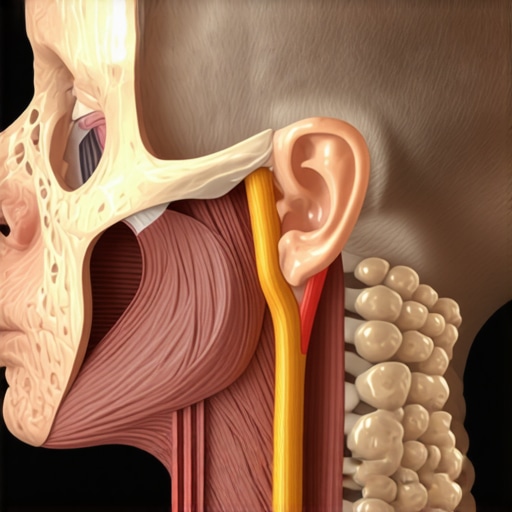
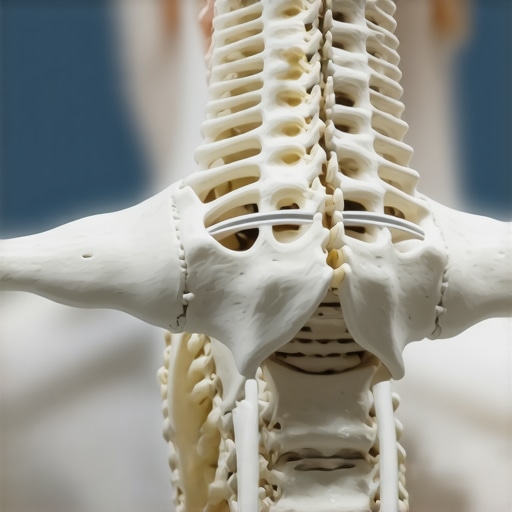
Identifying whether your headache stems from your upper vertebrae isn’t just about symptom relief; it’s about addressing the root cause. Misdiagnosing or overlooking spinal contributions can lead to unnecessary medication use, prolonged discomfort, or even worsening symptoms. When your cervical spine—the segment of your neck vertebrae—becomes misaligned or strained, it can irritate nearby nerves and tissues, triggering those nagging head pains.
A pivotal study highlights that neck positioning and spinal health significantly influence headache development. Recognizing the signs early lets you seek targeted care, whether through gentle chiropractic techniques or lifestyle adjustments, ultimately restoring your mobility and reducing pain over time.
And here’s the kicker: early intervention can prevent chronic issues. I’ve learned this from personal experience and countless conversations with top chiropractors. One mistake I made early on was ignoring subtle neck tension, thinking it was just stress. Now, I understand that overlooked early signs can escalate into persistent headaches—a mistake I don’t want you to make.
Are you tired of masking headaches with medication and looking for a deeper understanding of your body? You’re in the right place. In the following sections, we’ll explore how to determine if your headaches originate from your upper vertebrae and what practical steps you can take to regain relief. For more insights on how spinal health impacts overall well-being, check out this detailed exploration of back and neck health.
Start with Gentle Neck Movements
My own experience began with slow, controlled neck rotations. I sat comfortably, tilting my head side to side, then gently turning left and right, feeling for any stiffness or discomfort. This simple movement acts like warming up a stiff hinge before more precise adjustments. Move slowly, and if you feel sharp pain, stop immediately and consult a professional.
Identify Your Postural Triggers
Next, I examined my daily habits. Often, poor posture—like slouching over a desk—puts strain on the upper vertebrae. Think of your spine as a tower of blocks; misaligned blocks cause wobbling. To prevent this, set up your workspace ergonomically. For example, elevate your monitor to eye level, so your neck stays aligned while working. Want to get deeper into postural correction? Visit this guide.
Implement Targeted Mobility Exercises
After assessing posture, I incorporated specific exercises like the chin tuck and the seated band pull-apart, which strengthen neck and upper back muscles. These exercises are like tuning a guitar—small tweaks improve overall harmony. Regular practice improves mobility, reducing nerve irritation. The process is messy at first, often feeling like your muscles are resisting—persist through this phase for lasting relief.
Utilize Self-Myofascial Release
To loosen tight muscles, I used a tennis ball to perform self-myofascial release on tender spots at the base of my skull and along the upper traps. Imagine squeezing a sponge to release tension—this helps reduce nerve pinching. Place the ball against a wall or lie on it, gently roll, and apply pressure, avoiding discomfort. For a step-by-step, check out this resource.
Practice Controlled Breathing and Relaxation
Stress fuels tension, so I adopted diaphragmatic breathing—deep breaths that expand the belly. It’s like calming a tense string; slow, deep inhales and exhales ease muscle tightness and decrease headache frequency. Consistency is key, even on days when tension seems minimal.
Adjust Your Daily Habits for Long-Term Relief
Small adjustments make a big difference. Avoid cradling your phone between your shoulder and ear; instead, use a headset or speaker. Sleep on a supportive pillow to keep your neck aligned overnight. Regular movement breaks throughout the day prevent stiffness, much like giving your car routine tune-ups to keep it running smoothly. For a comprehensive approach, explore this article.
Many people believe that simply stretching more or visiting the chiropractor frequently will solve their neck and back issues. However, the reality is far more nuanced. A common myth is that all mobility problems stem from muscle tightness that can be loosened with quick fixes. In truth, chronic spinal misalignments or subtle joint instability often require a comprehensive approach that addresses the underlying structure rather than just symptoms. Over-reliance on passive treatments without strengthening the supportive tissues can lead to a false sense of progress, only to have pain and restrictions return. For in-depth insights on strengthening and stabilizing your spine, check out this resource.
Another misconception is that all chiropractic adjustments are the same. Many assume that high-velocity manipulations are universally beneficial. But for advanced cases, a gentle, precision-based approach targeting specific joint dysfunctions is far more effective and safer. This precision avoids the common mistake of treating the neck or back like a one-size-fits-all problem, which can sometimes exacerbate issues if improperly applied. An expert study highlights the importance of tailored chiropractic care over generic cracking techniques for sustained relief. Consider exploring these simple yet effective hacks to understand how specific adjustments can optimize your spinal health.
The ‘oops’ factor here is ignoring the role of joint stability. Many assume that mobility is about flexibility alone. However, without adequate control and strength in the muscles around your joints, increased mobility can become a double-edged sword, leading to joint hypermobility and chronic pain. You might experience increased instability if you chase flexibility without supporting stability—dangerous territory. To avoid this trap, integrating stability exercises into your routine is crucial. For detailed guidance on avoiding these common pitfalls, visit this article.
Advanced question: How do subtle joint instabilities contribute to persistent neck pain even after typical treatments?
This is a critical question that requires understanding that not all discomfort originates from obvious misalignments. Small, hidden instabilities often involve soft tissue laxity or cartilage wear that don’t show up on standard imaging. These issues can cause joint micro-movements, irritating surrounding nerves and tissues, perpetuating pain despite corrective efforts. Addressing these nuances involves specialized assessments and targeted therapies, like proprioceptive training or soft tissue stabilization techniques. Recognizing this layer of complexity can drastically improve your outcomes. You can learn more about these sophisticated strategies by visiting this resource.
Remember, understanding that mobility and spinal health are a dance between flexibility, stability, and control can help you avoid common pitfalls. Always look beyond quick fixes and question assumptions about what’s best. Have you ever fallen into this trap? Let me know in the comments.In the journey toward optimal mobility and pain relief, having the right tools and routines in place makes all the difference. I prioritize equipment that not only supports my current progress but also scales as I improve, ensuring sustained results over time. For example, I regularly use a foam roller specifically designed for back and neck muscles, which helps me perform self-myofascial release on stubborn knots. Unlike generic rollers, I opt for one with variable density sections, allowing me to target different tissue layers effectively and prevent re-tightening. This is vital because consistent self-care keeps muscles supple and reduces nerve irritation, supporting spinal alignment even between chiropractic adjustments. To enhance flexibility, I incorporate resistance bands like the TheraBand, which I use for gentle stretching and strengthening—particularly for the upper back and neck. They’re portable, affordable, and versatile, making them ideal for maintaining mobility whether at home or on the go. The key is to integrate these tools into a regular routine, aligned with your unique needs, to foster resilience and prevent setbacks. Prediction suggests that as wearable technology advances, we’ll see more intelligent systems providing real-time feedback on posture and movement patterns, further empowering individuals to sustain spinal health independently. How do I keep my mobility work effective over time? I focus on consistent integration—making self-care an automatic part of my daily schedule rather than sporadic efforts. Scheduling quick sessions with tools like foam rollers or resistance bands in the morning or during breaks ensures ongoing attention to posture and muscle health. Additionally, I utilize specialized software that helps track progress, recommend adjustments, and visualize improvements in flexibility and strength, creating a feedback loop that keeps motivation high. If you’re looking to bolster your long-term spinal health, I highly recommend trying the simple yet effective chiropractic hacks outlined in my guide. These techniques, combined with professional care, create a comprehensive defense against chronic pain and mobility issues. Remember, the goal is to develop habits that support your spine as you scale your activity levels. For example, regularly performing the seated band pull-apart can dramatically improve upper back strength, aiding posture and reducing neck strain. To push your progress further, consider integrating a smart posture sensor—a future trend that will offer instant feedback and proactive warning signs before issues escalate. Whether you’re busy at work or enjoying active hobbies, these tools keep your spinal health in check. As you refine your routine, remember that consistency and adaptability are key. Incorporate these tools with proper technique, and don’t hesitate to consult a professional when making significant adjustments. Give one of these advanced tactics, like using resistance bands for targeted strengthening or scheduling regular self-myofascial release sessions, a try today to keep your mobility sustained for years to come.
The Hardest Lesson I Learned About Mobility and Spinal Care
One of my biggest realizations was that quick fixes rarely lead to sustainable relief. I spent years chasing after fleeting results, believing that intense stretching or frequent adjustments alone would solve my neck pain. It wasn’t until I truly understood the importance of stability and proper support that I started making progress. This taught me that investing in foundational strength, like targeted stabilization exercises, is the real game changer for long-term mobility.
Why Ignoring Subtle Symptoms Costs More Than You Think
I used to dismiss minor neck tightness as stress or fatigue, but I now see those small signs as early warnings. Overlooking them only delayed my recovery and made my pain worse. Listening to your body’s whispers—like slight discomfort during movement—can prevent complex issues later. Incorporating simple practices like mindful posture adjustments and regular muscle checks keeps small problems from becoming chronic pain.
Breaking Myths About Chiropractic and Mobility
Many believe that frequent, aggressive adjustments are the key to pain relief, but I’ve learned that personalized, precision-based care is far more effective. Combining gentle, targeted adjustments with strengthening routines—like those found in this resource—creates a balanced approach that promotes lasting health rather than temporary relief. Quality over quantity is essential when caring for your spine.
The Value of Integrating Active Support Tools into Daily Habits
When I started using tools like resistance bands and foam rollers regularly, I noticed a remarkable difference in my mobility and pain levels. These devices serve as active allies, empowering me to maintain alignment and strength between professional sessions. Making these tools an everyday practice ensures that spinal health becomes a seamless part of life, helping prevent setbacks and fostering resilience.