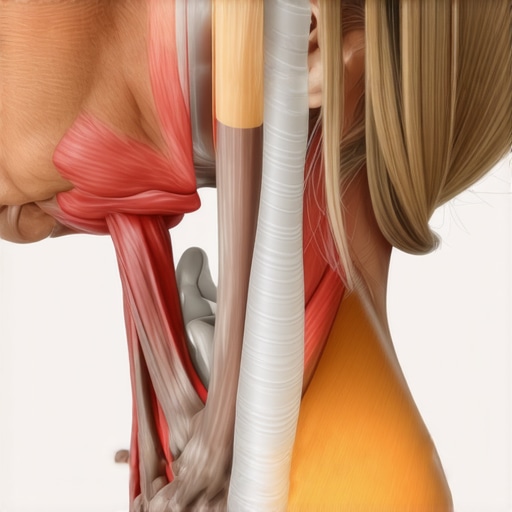
Why Your Chin Is Tucking Too Far During Your Core Exercises
It happened to me during a workout, and I bet it’s happened to you too — I was deep into my core routine when I suddenly felt a strange strain around my neck. At first, I thought it was just fatigue, but when I looked in the mirror later, I realized my chin was tucking way too far, almost like I was trying to hide from the exercise itself. That lightbulb moment hit me hard — I had been unknowingly sabotaging my own progress because of a tiny but crucial mistake that many people overlook.
Why Does My Chin Tuck Too Far? And Why It Matters
Many of us focus on engaging the core, keeping our backs straight, or even perfecting breathing techniques — without paying enough attention to our neck positioning. But here’s the honest truth: uncontrolled chin tucking can undermine your efforts and lead to neck pain, headaches, or even longer-term postural issues. When you tuck your chin excessively during exercises like planks, crunches, or other core moves, you’re actually putting unnecessary strain on your cervical spine — and that can hurt more than it helps.
I’ve learned from personal experience and expert advice that a small but focused adjustment can make all the difference. Proper alignment doesn’t just protect you; it ensures your core gets the workout it deserves without compensating for poor posture. If you’re tired of feeling neck tension after every session or if your progress feels stalled, it’s likely your neck position is at fault. And yes, correcting this is simpler than you might think.
Early in my own journey, I made the mistake of thinking that a good core workout meant hunching or jutting my chin to one side, thinking it would stabilize my neck. Turns out, I was doing the exact opposite — learning to keep my head in a neutral position during exercises was a game-changer. Evidence from chiropractic research underscores how crucial spinal alignment is for effective and safe workouts (source: https://quackersspinal.com/relieve-neck-back-discomfort-using-these-expert-methods).
So, if you’ve ever felt that annoying head tilt or neck squeeze during your core routines, you’re not alone — and you’re not doomed to suffer. Next, I’ll share practical tips to help you straighten out that tuck. Are you ready to ditch the neck tension once and for all? Well, let’s get into it and make your workouts truly work for you.
Align Your Head Like a Real Pro
Start by imagining your head as a stack of blocks balanced perfectly on your neck. When you tuck your chin excessively, it’s like pushing that top block too far forward, causing imbalance. I remember during my first attempt at practicing proper form, I felt clumsy and awkward, wobbling like a tower about to topple, but over a week, I refined my position to a neutral spine—like a well-built column.
Set Your Body Up with Precision
Place a mirror in front of you or record your workout to observe your neck alignment in real-time. Think of your neck as the pole of a tent: if it’s bent or leaning, the entire structure risks collapse. During one session, I used my phone to record a session, and I noticed my chin jutted forward, like a turtle retreating into its shell. Adjusting my head back to a neutral position immediately reduced neck strain.
Implement Micro-Adjustments with Clear Cues
Use tactile cues—gently pressing the back of your head against your hand while maintaining your core engagement—to feel the correct alignment. This is akin to tuning a musical instrument: small, deliberate tweaks bring harmony. I set a reminder to check my head position every 30 seconds; initially messy, this habit quickly became second nature, stabilizing my posture during intense core workouts.
Strengthen the Stabilizer Muscles
Target muscles that support neck alignment, such as deep cervical flexors, through specific exercises. Think of this as reinforcing the base of a building; without strong foundations, the entire structure is vulnerable. I incorporated gentle chin tucks and neck retractions into my daily routine, which felt strange at first, but over time, my neck became more resilient, and I noticed less fatigue during workouts.
Incorporate Relaxation and Mobility Drills
Muscles stiff from poor posture can pull your neck out of alignment. Regularly perform gentle stretches like the neck tilt or shoulder rolls to loosen tight tissues. Remember, mobility is like oiling a machine—without it, friction and wear increase. After dedicating a few minutes daily to these drills, my neck felt freer, and I avoided the typical tension that often creeps in after prolonged workouts.
Linking It All for Maximum Impact
Combine these techniques for a complete corrective approach. Think of it as assembling a puzzle: each piece, from alignment cues to strengthening exercises, contributes to the bigger picture of improved posture. Consistent practice not only alleviates neck discomfort but also enhances overall movement quality, transforming your workout experience. For more insights on managing neck tension, explore expert methods.
Many believe that mobility issues and chronic pain stem solely from muscle tightness or joint wear-and-tear. However, as an expert in chiropractic care and movement science, I can tell you that this is a misconception rooted in a narrow view of the body’s interconnected systems. The prevalent myth is that stretching or strengthening alone can resolve complex back and neck problems, but the reality is far more nuanced. In fact, neglecting the subtle balance of neural, fascial, and musculoskeletal factors often causes setbacks and prolongs recovery. For example, overly aggressive stretching without addressing core stability or joint alignment can aggravate rather than alleviate pain. This trap — pushing for mobility gains without proper diagnostics — can lead to overuse injuries or chronic discomfort. Moreover, many assume that pain is purely mechanical; they overlook neuroplasticity and the role of the nervous system in pain perception. Persistent pain might actually be a maladaptive response rather than a direct indicator of tissue damage. As Dr. David Butler emphasizes in his work on neurodynamics, understanding the nervous system’s influence on mobility is crucial for effective treatment. Asking advanced questions, such as ‘How does my neural tension contribute to my limited range of motion?’ can open new pathways to solutions. Incorporating techniques like nerve flossing or addressing fascia restrictions alongside joint adjustments exemplifies a holistic approach. For deep insights, exploring resources like these expert methods can deepen your understanding. Remember, true mobility isn’t just about loosening muscles; it’s about restoring the body’s diagnostic balance. Have you ever fallen into this trap? Let me know in the comments or check out chiropractic secrets to better understand how precise adjustments can unlock your full potential.Maintaining long-term spinal health and mobility requires more than just awareness; it calls for the right tools and consistent methods. Personally, I rely on a combination of specialized equipment and targeted techniques to keep my spine in optimal condition. One essential tool I use is a **Tennis Ball**—not just for sports, but as a versatile trigger point release device. I find that gently rolling the ball along tense areas in my back or hips helps dissolve adhesions and restore mobility. For precise application, I follow a step-by-step guide available at this resource.
Additionally, I incorporate a **Foam Roller** to perform my daily myofascial release routines. Unlike cheap foam rollers, I prefer a dense, high-quality one, which I believe maximizes the effectiveness of my release sessions. Using it regularly helps prevent muscle tightness that could compromise spine alignment, especially after long periods of sitting.
To support my exercise routines and monitor progress, I turn to software like **Trainerize**. This app allows me to track my mobility exercises, set reminders, and visualize improvements over time. It’s also great for sharing progress with a chiropractor or physical therapist, ensuring that my regimen scales appropriately as my strength and flexibility improve.
For digital posture correction, I recommend using a **Posture Reminder App** on your phone. I use it to prompt micro-adjustments during the day—aligning my head and shoulders properly, reducing strain, and reinforcing good habits. Apps like this are evolving rapidly, integrating with wearable tech to provide real-time feedback, and are likely to become more sophisticated in reducing chronic pain patterns.
But where do I see this trend heading? The future of spinal health maintenance is moving toward personalized, AI-driven systems that integrate hardware and software seamlessly—think smart wearables that automatically correct your posture and alert you when misalignments occur. Companies are already developing sensors embedded in clothing that provide continuous feedback, enabling you to scale preventative care without constant chiropractor visits.
## How do I keep my spinal health tools effective over time?
The key is regular calibration and mindful use. For example, I schedule weekly self-assessment sessions, reviewing my progress and adjusting my routines accordingly. It’s also crucial to stay updated with new research—accessing trusted sites like these expert-approved strategies helps me refine my practices.
If you’re serious about long-term results, I highly recommend integrating micro-tools like a tennis ball for spot release or employing apps for ongoing feedback. These are simple yet powerful approaches to scaling your mobility efforts organically. Remember, consistent use is the secret to enduring benefits—think of these tools as investments in your body’s future.
Take a moment today to try one of these advanced techniques—perhaps start incorporating a daily foam roller session or set customized reminders for posture checks. Small steps now build a resilient, pain-free spine tomorrow.
Looking back, I realized that one seemingly minor adjustment transformed my entire approach to spinal health. The deeper lesson I learned about correcting neck tuck posture is that awareness alone isn’t enough—actionable tweaks rooted in understanding your anatomy are key. Once I integrated proper head alignment habits, my daily movements became smoother, and my pain episodes diminished significantly. This experience reinforced that small, consistent changes can lead to profound long-term benefits, especially when they address the root cause rather than just symptoms.
By honing in on neutral head positioning and strengthening the supporting muscles, I unlocked a new level of mobility and comfort that I hadn’t thought possible. It’s a reminder that sometimes, the biggest leap forward comes from questioning what we’ve accepted as normal and daring to make intentional adjustments. If you’re committed to improving your neck and back health, embracing these personalized insights will set you apart from generic routines and lead you toward lasting relief.