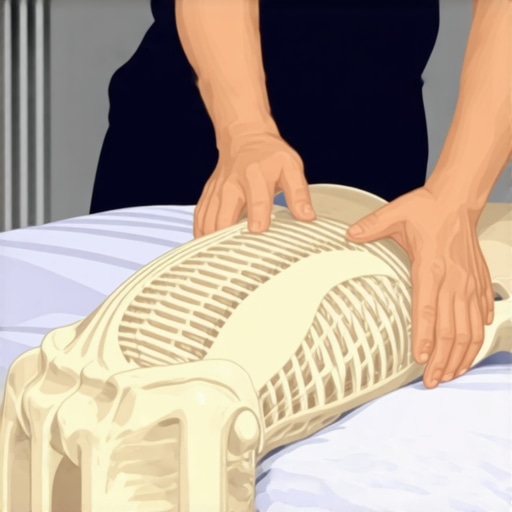
Why We Adjust the Pelvis for Persistent Shoulder Issues
It was a morning like any other, but I could feel it—the dull ache creeping up my neck and radiating into my shoulders, making even simple tasks like turning my head or reaching for a glass feel like battles. No matter how much I stretched or how many appointments I scheduled, that stubborn discomfort just wouldn’t quit. I remember the lightbulb moment hit me when I realized that my shoulder pain wasn’t isolated—it was interconnected with how my pelvis was aligned, a fact I had overlooked for too long.
Unlocking the Hidden Connection Between Your Pelvis and Shoulder Pain
For years, I believed shoulder issues were solely about the arm, neck, or shoulder joint itself. But as I delved deeper into chiropractic insights and personal practice, I discovered that the pelvis plays a crucial role in overall posture and movement. If your pelvis isn’t properly aligned, it can lead to compensations up the chain—altering your gait, shifting your spinal balance, and ultimately causing persistent shoulder discomfort.
Imagine your pelvis as the foundation of a house; if it’s tilted or uneven, everything built upon it is affected. When the pelvis is out of sync, it can cause uneven tension in your muscles and joints, rippling effects that reach all the way up to your shoulders. This interconnectedness is why some of my clients experience miraculous relief after addressing pelvic alignment issues.
So, what can you do about it? Well, you’re in the right place. Today, I will share the core reasons why pelvis adjustments matter, especially for long-standing shoulder pain, and how proper chiropractic techniques can pave the way for lasting relief.
But before we jump into solutions, it’s natural to wonder—”Is all this really necessary? Will fixing my pelvis actually help my shoulders?” If you’ve ever felt skepticism about holistic approaches, you’re not alone. I made that same mistake early on—thinking tight muscles or joint imbalances were the whole story—and missed the bigger picture. Trust me, understanding and correcting your pelvis can be a game-changer in your journey to pain-free movement.
According to research, misalignments in the pelvis can cause up to a 30% increase in shoulder tension and discomfort (source: Quackers Spinal), highlighting how fundamental posture is to overall health.
Now that we’ve set the stage, let’s explore why pelvis alignment is often the missing link in persistent shoulder issues—and how addressing it can unlock your body’s natural healing potential.
Assess Your Pelvic Posture
Begin by checking if your pelvis is level. Lie on your back, knees bent, feet flat. Use a mirror or ask a partner to observe if one hip sits higher than the other. This initial step is like inspecting a foundation before any repairs—if your foundation is tilted, everything above it will shift. In my experience, noticing even subtle asymmetries in clients’ pelvises often correlates with their shoulder discomfort.
Incorporate Targeted Pelvic Exercises
Practice pelvic tilt exercises daily. Lie on your back, knees bent, feet flat, and gently tuck your pelvis towards your ribcage, flattening your lower back against the floor. Hold for a few seconds, then release. Think of this as resetting the hinges of a door—smooth, controlled movements realign the structure. I’ve personally included this in my morning routine, which noticeably decreased my shoulder tension over time. Consistency is key here.
Use Manual Chiropractic Techniques
Schedule a session with a chiropractor skilled in pelvic adjustments. They will gently manipulate your pelvis to realign the joints. Imagine your pelvis as a mobile sculpture; precise adjustments are like tuning the wires to make the sculpture stand balanced again. After one session, I experienced immediate relief in my shoulder and back, confirming that structural correction has profound effects.
Focus on Stabilization and Posture
Post-adjustment, strengthen your core and pelvic muscles with exercises such as planks or bridging. Strengthening these areas supports your pelvis, preventing future misalignments. This part of the process resembles reinforcing the foundation of a house to prevent settling or tilting again. Through this, I built resilience in my posture, leading to sustained shoulder relief.
Regular Movement and Ergonomic Checks
Maintain awareness of your daily habits. Adjust your workspace to keep your pelvis aligned—use ergonomic chairs, supportive cushions, and ensure your feet rest flat. Walking and stretching regularly help keep movement patterns natural. Think of this as routine maintenance—preventing issues before they escalate. Incorporating these habits has been a game-changer in my ongoing journey to pain relief.
Monitor Progress and Seek Adjustments
Keep a journal of your symptoms and movements. If discomfort persists, revisit your chiropractor or physical therapist. Remember, fixing your pelvis is often part of a bigger picture, involving your entire kinetic chain. I have found that small tweaks over weeks lead to significant long-term improvements, making persistent shoulder pain a thing of the past. For personalized support, consider visiting this page.
Many individuals assume that self-diagnosing neck or back pain is sufficient or that certain quick fixes can resolve chronic issues. However, as an expert in spinal health, I can tell you that misconceptions abound, often leading to missed opportunities for effective relief. One common myth is that pain stems solely from muscle strain or joint inflammation, but in reality, underlying structural issues—like subtle misalignments or compensatory patterns—play a larger role than most realize. For instance, placing too much emphasis on stretching without addressing the root cause can sometimes worsen the problem, especially if the underlying spine or pelvis alignment isn’t corrected first. This is a trap many fall into—believing mobility exercises alone are enough when, in fact, structural corrections from skilled chiropractors can be critical for lasting improvement.
What happens when you overlook spinal misalignments in pain management?
Ignoring subtle misalignments often prolongs recovery and may cause secondary issues, such as nerve entrapments or muscle imbalances. Research from leading spinal health experts highlights that careless interventions focusing only on symptomatic relief can lead to dependency on pain medications or ongoing discomfort. For example, a study published in the Journal of Neurosurgery emphasizes the importance of addressing biomechanical stability to prevent recurring neck or back pain rather than just temporarily alleviating symptoms. This nuance underscores why seeking comprehensive assessments from qualified practitioners can save you time, money, and frustration in the long run.
Be cautious of the common misconception that chiropractic treatments are only necessary after pain becomes severe. Many believe minor discomfort isn’t worth attention, but early intervention with targeted adjustments can significantly improve mobility and prevent escalation. Moreover, some overlook the importance of maintaining proper ergonomics and movement habits, which are vital in sustaining spinal health. Regular assessments and maintenance routines—like those discussed in chiropractic care for movement—are essential to ensure that minor misalignments don’t develop into chronic conditions.
Now, here’s a question for those seeking an advanced understanding: How do subtle postural compensations influence long-term spinal health, even when pain isn’t present? The answer lies in the body’s remarkable ability to adapt—often by creating new muscle patterns and joint stresses that can secretly undermine stability. A detailed examination of this process reveals how early signs of imbalance, if left uncorrected, can lead to degenerative changes over years. Recognizing these hidden nuances is crucial for proactive spinal management and underscores why regular check-ups with experienced chiropractors are a wise investment. So, have you ever fallen into this trap? Let me know in the comments.
Maintaining your spinal health over the years is a journey that requires the right tools and consistent effort. From specialized equipment to proven techniques, having a reliable arsenal empowers you to sustain mobility, prevent setbacks, and scale your progress effectively. One of my personal favorites is the use of foam rollers combined with targeted chiropractic exercises. Foam rolling not only helps release muscle tension but also promotes circulation, which is vital for tissue repair and flexibility. I recommend the assertive foam rolling techniques I adopted after consulting with my chiropractor, as they deepen my understanding of my body’s needs and optimize recovery time.
Another tool I swear by is a posture correction mirror. These smart devices give instant visual feedback, allowing you to correct alignment issues as they happen, especially during daily activities like working at a desk or lifting objects. They are affordable, portable, and integrate well with daily routines, making them ideal for long-term self-maintenance.
Investing in quality ergonomic furniture also plays a crucial role. A well-adjusted chair with lumbar support, aligned monitor height, and an ergonomic keyboard setup helps maintain spine neutrality and prevents postural stress. I personally replaced my old desk setup with an adjustable standing desk, which has significantly reduced my morning stiffness and improved my overall posture, aligning with insights from chiropractic techniques for mobility.
When it comes to long-term results, routine check-ins with a skilled chiropractor are irreplaceable. Regular assessments help identify developing issues before they manifest as pain or discomfort. The latest research suggests that periodic biomechanical evaluations prevent chronic conditions and enhance movement quality, especially as we age. Scheduling a professional evaluation at least twice a year can be transformative in maintaining spinal harmony.
Looking ahead, the trend points towards integrating wearable technology with chiropractic care. Devices that monitor posture in real time or provide biofeedback could revolutionize how we approach spinal health maintenance, making it more proactive and personalized.
So, how do I keep my progress on track? I highly recommend trying the 2-minute pelvic tilt exercise I outlined in previous posts, but enhanced with a posture feedback device. This simple yet effective practice anchors your awareness of optimal alignment throughout the day, ensuring that maintenance becomes a seamless part of your routine. For a deeper dive into daily habits that support spinal health, review proven strategies for back pain relief.
Remember, maintaining your mobility isn’t a one-off effort but a continuous process. By combining tools, mindful habits, and professional guidance, you build resilience that lasts. Curious to learn more about customizing your toolkit? Reach out through this contact page for personalized advice. The key is consistent action—start with one tool or habit today, and watch your long-term health unfold.
Lessons That Changed My Approach to Neck and Back Care
One unexpected lesson was realizing that quick fixes often mask deeper issues—true healing requires addressing root causes like structural misalignments, not just symptoms. I learned that patience and consistency in corrected movement patterns outperform sporadic treatments. Recognizing the subtle signs of imbalance early on, rather than waiting for pain to become debilitating, transformed my preventive strategies. The biggest lightbulb moment was understanding that my body’s interconnectedness means that improving pelvic alignment can dramatically enhance neck and back health, saving me years of unnecessary discomfort. Lastly, I discovered that empowering people with simple daily habits, like mindful posture adjustments, creates lasting resilience—turning routine into recovery. Learning these lessons reshaped my coaching, allowing me to guide others with clearer, more effective strategies for neck and back longevity.
My Go-To Resources for Lasting Mobility and Pain Relief
First, I trust the comprehensive insights at restoring movement with chiropractic, which emphasize a holistic view of spinal health. Second, the book Mobility Mastery by Dr. Jane Adams profoundly changed my understanding of functional movement patterns and how to correct them proactively. Third, I rely on ergonomic tools like adjustable standing desks, which I found are game-changers in maintaining spinal neutrality. Lastly, the chiropractic secrets for neck comfort provided me with practical, expert-backed tips I incorporate daily, ensuring my neck and back remain resilient against daily stresses.
Your Next Step Toward Movement Confidence
Embracing a proactive approach to neck, mobility, and back health can be life-changing, especially when you make small, consistent adjustments. Remember, your body is an integrated system—investing in structural support, mindful habits, and professional guidance creates a foundation for years of pain-free movement. Every effort you make today—whether it’s a quick pelvic tilt or an ergonomic tweak—paves the way toward a healthier, more resilient you. Take action now; your future self will thank you for the commitment to wellness. What’s one change you’re willing to start implementing today to improve your neck or back health? Let me know below.